
Public commenters urge clearer, more transparent parole-granting process from Department of Corrections
Get AI-powered insights, summaries, and transcripts
Subscribe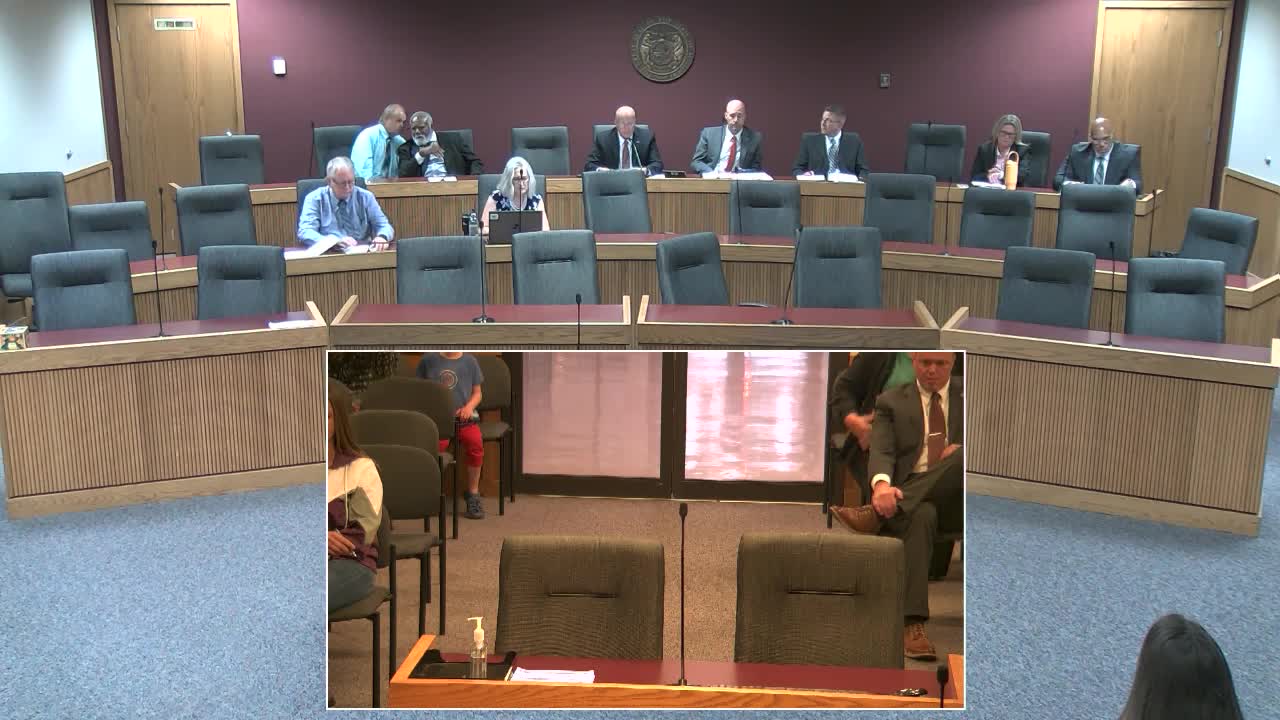
Summary
At a public meeting, commenters urged a review of the state regulations that govern parole and release decisions, calling for clearer eligibility rules, appeal procedures and greater transparency while balancing staff security concerns. No formal action was taken.
Public commenters at an unspecified public meeting urged the state Department of Corrections to revise the regulations and increase transparency in how parole and release decisions are made.
Commenters said the working group reviewing the existing code of state regulations that govern the parole-granting process should clarify eligibility calculations, expand access to prehearing materials and create a meaningful avenue to review alleged abuses of discretion. They also pressed for greater public representation in reviews and clearer rules for how security concerns are balanced with transparency.
The comments focused on several recurring concerns. Speakers described the current regulatory language and processes as unclear and lacking accountability, noting there is “no way to review appeal of discretion” in some cases and that eligibility calculations should be “simpler and more straightforward.” Commenters asked the working group and the Department of Corrections to provide clearer explanations of prehearing reports and release criteria and to consider expanding delegate representation in decision processes to two representatives so affected people have broader representation.
At the same time, multiple speakers acknowledged staff safety and security considerations. Commenters said any increase in transparency should preserve measures that protect corrections staff and the safety of hearings, while still allowing for documentation and reviewable records to guard against abuses of discretion.
Speakers framed the review as part of an executive-level and regulatory process: several urged formal review of the “code of state regulations” and referenced an “Executive Order” as part of the background for the working group. The meeting included a public-comment period and did not produce any formal motions or votes on regulatory changes.
No formal actions were taken at the meeting. Commenters urged the working group and the Department of Corrections to take the public input into account as they refine recommendations and potential regulatory updates.