
State tax commission and some counties clash over assessment data, MOUs and appeal backlog
Get AI-powered insights, summaries, and transcripts
Subscribe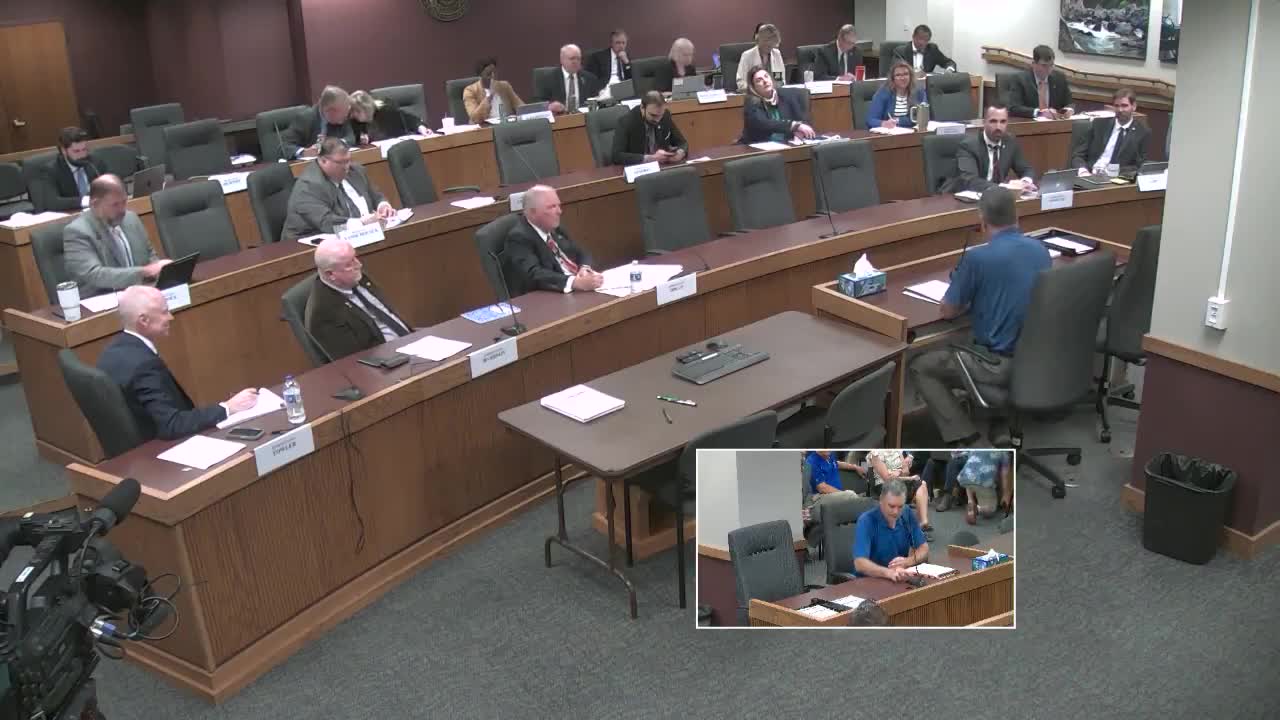
Summary
Missouri lawmakers and local officials told a legislative interim committee that gaps in sales reporting and county assessment methods created large disparities in assessment ratios, prompted state memoranda of understanding and left tens of thousands of appeals pending before the Missouri State Tax Commission.
JEFFERSON CITY — County officials and the Missouri State Tax Commission told the Special Interim Committee on Property Tax Reform that inconsistent data and differing local methods have left some counties far below the commission’s target assessment ratio and created a backlog of unresolved appeals. The result, they said, is unpredictable tax bills for homeowners and strain on local offices.
The dispute centers on how counties compile values used to compare assessed totals with market sales. Presiding Commissioner George Munk of Cooper County told the committee his county’s sales-to-assessment ratio fell from 63.5% to 59.3% and that the state tax commission has pushed a memorandum of understanding asking counties to move toward the commission’s 90% target. “If you can’t get good data, you cannot do good assessment,” Munk said during testimony about Cooper County’s work to raise low-assessed parcels toward the county average.
Why it matters: Missouri’s statutory oversight requires counties to produce fair, market-based assessments. Counties that lag can trigger state review and, under current statute, face potential withholding of state maintenance payments if they fail to follow approved maintenance plans. Counties and assessors told committee members the gap arises partly because Missouri is a non-disclosure state for many sales records and because assessors often use a cost-based approach rather than sales-based comparables.
State tax commission officials acknowledged the problem and described an operational consequence the public will notice: a large appeals caseload. “We have between 19 and 20,000 pending appeals,” Greg Galsbury, chief counsel to the state tax commission, told the committee. Many of those appeals relate to whether counties complied with statutory notice-and-inspection steps after reassessments.
Commission Chair Gary Romine told lawmakers the commission’s core duty is equalization and oversight and said staff are working on cases and trying to help counties bring assessments into line. Commissioners also noted a state statute (Section 138.435) creating an ombudsman office for property assessment; the committee heard that the ombudsman position exists in law but has not been separately funded by the legislature.
What’s at stake: When a reassessment produces widely different values across similar properties, taxpayers seek relief through the assessor’s office, board of equalization or the state tax commission. Pending appeals must be resolved before many taxpayers can know their final liability; in the meantime, collectors and clerks still issue tax bills and taxpayers often must pay under protest.
For counties that signed memoranda of understanding with the commission, the state offered staged approaches — for some counties a modest percent increase, for others a higher step because of how far a county’s current ratios were from the 90% target. Some counties declined MOUs and instead pursued their own schedules. Several county witnesses told the committee they pushed back because a one-year jump could create sudden, painful tax bills for residents.
The commission and county officials recommended several near-term changes: better access to sales information (several witnesses urged certificate-of-value or other reporting), clearer local data and expanded staffing at the commission to reduce the appeals backlog. Commission counsel said many of the large-volume appeals concern two earlier reassessment cycles and that hearing officers are writing decisions.
Ending note: Lawmakers asked the commission to return with detailed proposals on data sharing, staffing and timelines so the interim committee could weigh statutory changes or budget requests. The commission said it would continue outreach to assessors and county clerks while the committee pursues broader policy options.