Get Full Government Meeting Transcripts, Videos, & Alerts Forever!
Get email alerts on the Homelessness Encampments Ordnance topic
No spam. Unsubscribe anytime.
Council declines to relax shelter requirement before clearing encampments; proposed change fails 3–5
Summary
A proposed amendment to remove the requirement that staff confirm shelter availability before issuing citations for unauthorized camping failed after extensive public comment about homelessness, shelter capacity and public safety.
The Loveland City Council considered and then rejected a proposed change to municipal code chapters 7.39 and 9.47 that would have removed the current requirement to confirm the availability of alternate shelter before issuing a citation or initiating abatement of an unauthorized encampment.
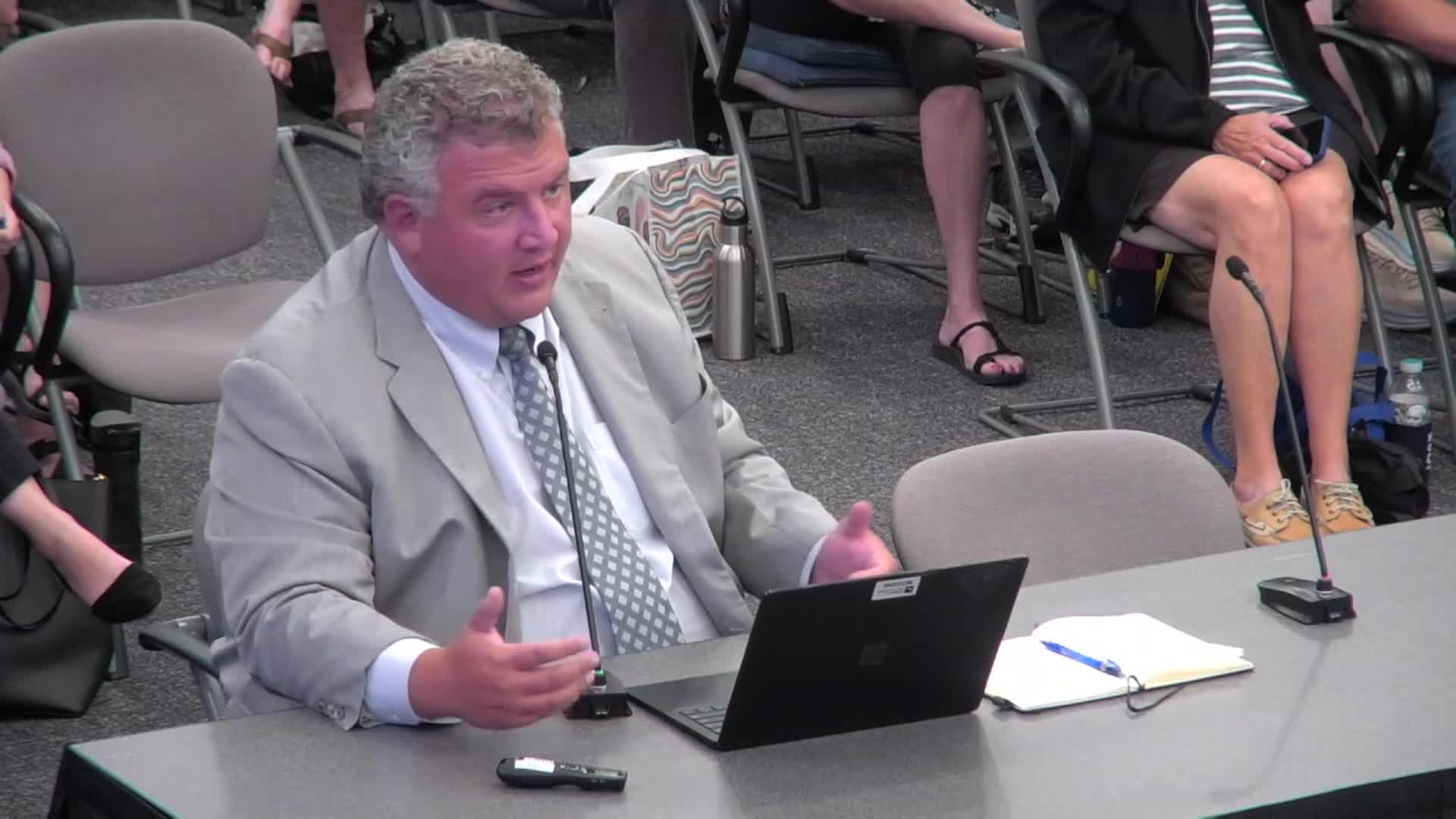
City Attorney Vince Jungless presented the draft as an update reflecting the U.S. Supreme Court’s Grants Pass decision, which said the Eighth Amendment does not require the availability of alternate shelter before prosecuting unauthorized camping. Jungless told council staff had modeled the city’s existing emergency ordinance on the Boise/ Martin line of cases and that the Grants Pass ruling changed that constitutional baseline. The draft ordinance would make confirmation of shelter availability discretionary and would remove the requirement to issue an order to vacate before issuing a citation, bringing the municipal code in line with the current Supreme Court interpretation.
Public comment was lengthy and strongly engaged. Dozens of residents, faith leaders, service providers and people with lived experience urged the council not to adopt the change, arguing it would criminalize poverty, increase jail costs, and drive unhoused people into more dangerous hiding places. Several speakers described medical and mobility needs and urged a greater role for sheltering and regional coordination. Other residents, business owners and some councilors emphasized sanitation, fire risk and loss of control of public spaces tied to large encampments, saying the city must retain tools to address dangerous, dense or unsanitary encampments.
Council debate reflected the split. Some councilors said removing the shelter‑availability requirement would give police needed discretion and conform city code to current federal precedent; others said removing an obligation to offer shelter without a demonstrated shelter option in Loveland would amount to criminalizing homelessness. The item failed on the roll call vote 3–5.
What happens next: the ordinance change did not pass; the existing requirement to offer shelter and confirm availability remains in effect. Council and staff discussed pursuing regional partnerships, designating managed camping locations, or putting funding measures to voters to support shelter capacity in future.