
Rowena fire: county coordinates incident command, DEQ to begin hazardous‑materials and debris removal; residents urged to sign right‑of‑entry forms
Get AI-powered insights, summaries, and transcripts
Subscribe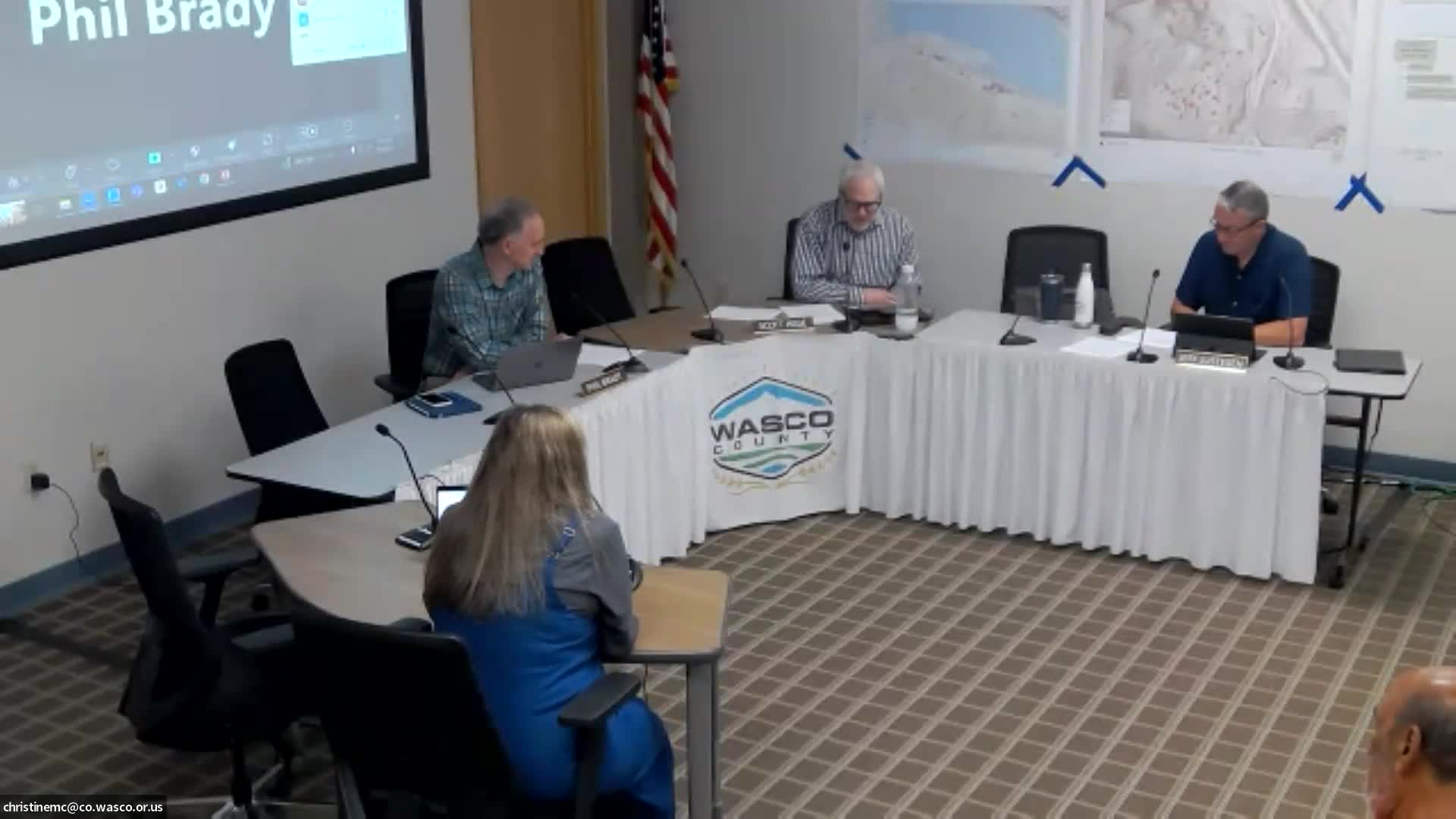
Summary
Wasco County and state agencies are mobilizing hazardous‑materials and debris‑removal contractors for the Rowena fire; residents must sign right‑of‑entry forms to be eligible for state-sponsored cleanup and were urged to attend a MARC meeting about debris removal.
Wasco County officials on July 2 outlined the response and recovery structure for the Rowena wildfire, told residents hazardous‑materials removal will be contracted by the state and urged property owners to submit right‑of‑entry (ROE) forms so cleanup crews can access private lots.
Incident command and scope: Sheridan McClellan, Wasco County emergency manager, said the Rowena fire began June 11, was declared a state conflagration the same day and was 100% contained June 23 after burning about 3,700 acres. McClellan said the incident engaged hundreds of personnel and multiple aircraft during suppression and that county and state teams are now in recovery mode.
Organization and immediate work: Mid-Columbia Economic Development District director Jessica Madder (liaison officer for the incident command) described the incident-command structure and the lead units: mass care (led by North Central Public Health), response (Oregon Department of Environmental Quality for hazardous‑materials response), operations (mass care and debris staging), and long‑term recovery (led by Wasco County community development).
Hazardous‑materials and debris-removal plan: DEQ On-Scene Coordinator Charles Kennedy and county staff said the state will contract hazardous‑materials removal for residences that grant access. Contractors will conduct air‑monitoring for lead and asbestos and will wear full protective gear; staff said crews will remove household hazardous goods first (phase 1) and follow with larger debris removal (phase 2). Officials said residents will have an opportunity to retrieve valuables between phase 1 and phase 2 if the resident has signed an ROE form.
ROE forms and immediate deadlines: Staff asked residents to submit ROE forms to the county or PIO email; officials requested forms be submitted by July 3 to ensure inclusion in the initial contractor mobilization, but said late filers could be added as crews move through the area. DEQ and county staff emphasized that cleanup of burned structures and ash can expose lead, asbestos and other hazards and urged residents not to handle hazardous debris themselves unless they are trained and properly equipped.
Logistics and long-term recovery: Officials said household hazardous wastes will be taken to an Arlington handling site; phase‑2 nonhazardous debris would be routed to the Wasco County landfill subject to landfill testing requirements. The county and partners are working to identify temporary housing and transitional assistance; United Way had reported initial monetary donations and the long‑term recovery group is forming a grants/disbursement process. Officials cautioned long‑term recovery could take years and emphasized the importance of staging, permitting and coordinated contractor management.
Public outreach and next steps: The county public information officer Stephanie Krell said the county will host multi‑agency resource center (MARC) events; the next MARC on debris removal was scheduled for 5 p.m. July 2 at the Gloria Center (2502 W. 7th St., The Dalles) and will include DEQ, emergency management and public health. Officials encouraged residents to sign ROE forms, attend MARC events, and contact the county PIO (pio@co.wasco.or.us) or the county website for updates.
Quotes from staff and residents during public comment reinforced community concerns about pace of cleanup, logistics for title and vehicle removal, mail service, insurance and water and septic questions; county staff said they will carry those concerns to the incident command and the contracted teams and continue public outreach.