Get Full Government Meeting Transcripts, Videos, & Alerts Forever!
Get email alerts on the Lpn Licensing For Veterans topic
No spam. Unsubscribe anytime.
Veterans' Groups Tell Committee to Waive Redundant LPN Education Requirements for Qualified Military Medics
Summary
The Military Officers Association of America and veteran leaders urged the committee to allow qualified military medics and corpsmen to meet licensing requirements for licensed practical nurses without repeating civilian coursework, citing workforce shortages and extensive military medical training.
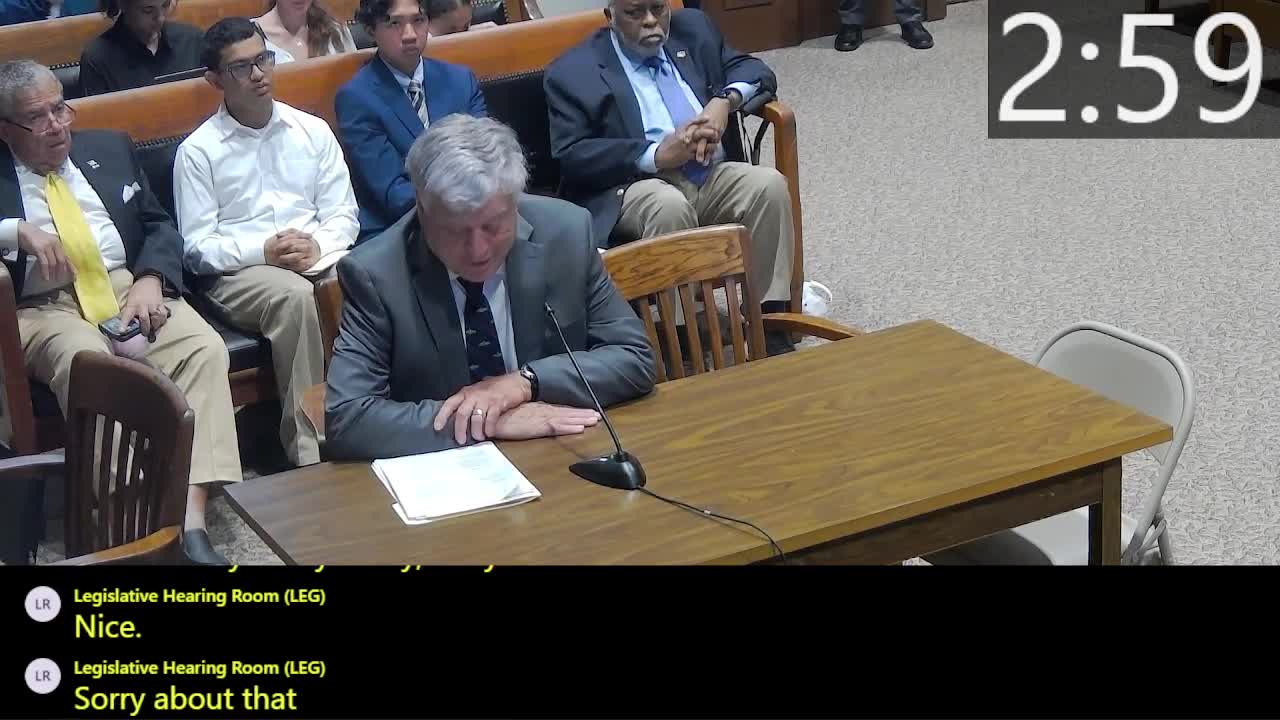
Representatives of the Military Officers Association of America and veterans’ advisory boards told the Joint Committee on Veterans and Federal Affairs that licensed practical nurse (LPN) licensing rules should recognize military medical training and clinical experience.
"These bills recognize the extensive training and real world experience our veterans bring to the health care field," said Albert Paquin, commander (ret.) and president of the Bay State Council of Chapters of the Military Officers Association of America, in support of S.2477 and H.3866. Paquin urged the committee to allow qualified veterans to have duplicative educational requirements waived so they can sit for state licensing and enter the workforce without repeating training they already completed in the military.
James Keane, Melrose Veterans Advisory Board member, described long deployments and first‑hand experience where Guard and Reserve medical personnel filled staffing gaps in nursing homes and pandemic responses. "The jobs that these LPNs would serve in are jobs that nurses won't take," Keane said, citing long‑term care, prisons, and school positions as areas with shortages.
Testifiers asked the committee to allow a pathway for veterans with defined military medical training and clinical experience to sit for civilian LPN licensing exams, subject to verification of training and competency. Supporters pointed to other states that have enacted similar pathways and argued Massachusetts should do the same to address workforce shortages while ensuring patient safety.
Committee members indicated they would review statutory language and examine safeguards that would preserve public‑safety standards while reducing unnecessary duplication of training.
No vote was taken during the hearing.