Get Full Government Meeting Transcripts, Videos, & Alerts Forever!
Get email alerts on the Ebooks Digital Lending topic
No spam. Unsubscribe anytime.
Lawmakers hear librarians, publishers on e‑book access; bill would create commission to study licensing and costs
Summary
Witnesses urged the Joint Committee to create a legislative commission (H3595/S2330) to address high prices and restrictive contracts for e‑books and audiobooks used by Massachusetts public libraries; proponents described accessibility benefits and multi‑million dollar local spending for digital collections.
A separate portion of the Joint Committee's hearing focused on bills to address the rising cost and restrictive licensing of e‑books and e‑audiobooks for public libraries (House Bill 3595 and Senate Bill 2330). Library leaders, a copyright lawyer and publishers described the current market as inequitable for public institutions and urged the legislature to create a special commission to develop state solutions.
Why it matters: witnesses said digital formats are essential for many library patrons—people with disabilities, homebound residents, students with learning differences and those who cannot visit a branch—and that current licensing terms (short rental periods, per‑checkout licensing and high prices) hinder public libraries' ability to serve communities equitably.
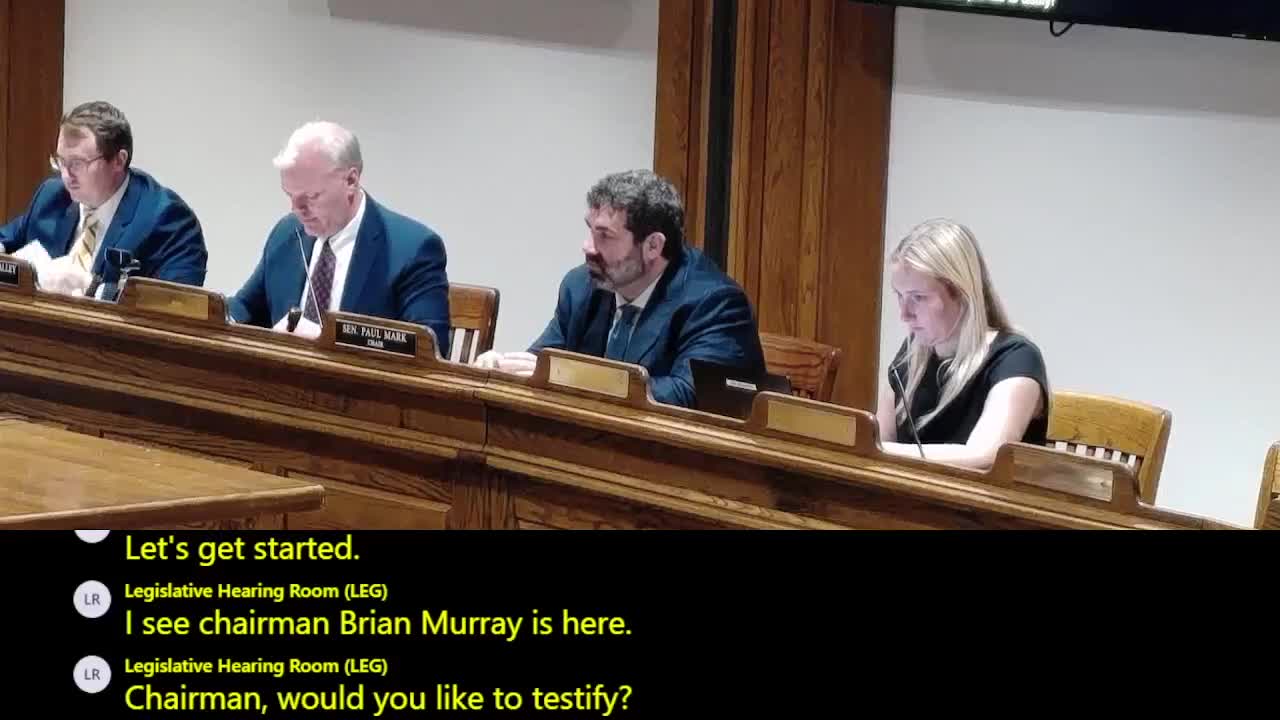
Representative Brian Murray, who opened remarks on this topic, said he supported H3595 as “an act addressing challenges facing public libraries and digital resource collections,” and described prior attempts to reform such licensing. Kathy Lussier, executive director of the North of Boston Library Exchange, told the committee that over the past seven years libraries in Massachusetts have spent more than $54,000,000 from local, state and federal tax dollars on the statewide digital collection (the "Leah Collection"), yet patrons still often face long wait times for popular titles; Lussier said the average wait for a popular title in her network is 79 days.
Library users with disabilities and learning differences described concrete effects. Rory Longren, who said he has dyslexia and relied on library e‑audiobooks to keep pace with classmates, told lawmakers that lengthy wait lists and expiring licenses can interrupt his reading and study plans.
On legal strategy, Kyle K. Courtney, director of copyright and information policy at Harvard University and founder of the Ebook Study Group, said Massachusetts can pursue contract‑law and market‑based remedies (as opposed to changing copyright law), and that a commission can convene librarians, publishers and legal experts to design workable models. "This commission gives us a chance to do better," Courtney testified.
David Leonard, president of the Boston Public Library, described e‑book spending in the millions and said that current models force libraries to rent the same title repeatedly rather than purchasing preservation copies. He pointed to Connecticut and Rhode Island as recent state examples and supported a commission as a strategic step toward reforms that would treat digital titles more similarly to print for stewardship and taxpayer value.
Ending: committee members asked clarifying questions about other states' approaches and potential funding implications; no formal vote was taken on H3595/S2330 at the hearing. Sponsors and library representatives urged the committee to authorize the study commission so stakeholders can develop practical, market‑based remedies.