
Careers in Construction program tells council it has placed thousands of local students in trades
Get AI-powered insights, summaries, and transcripts
Sign Up Free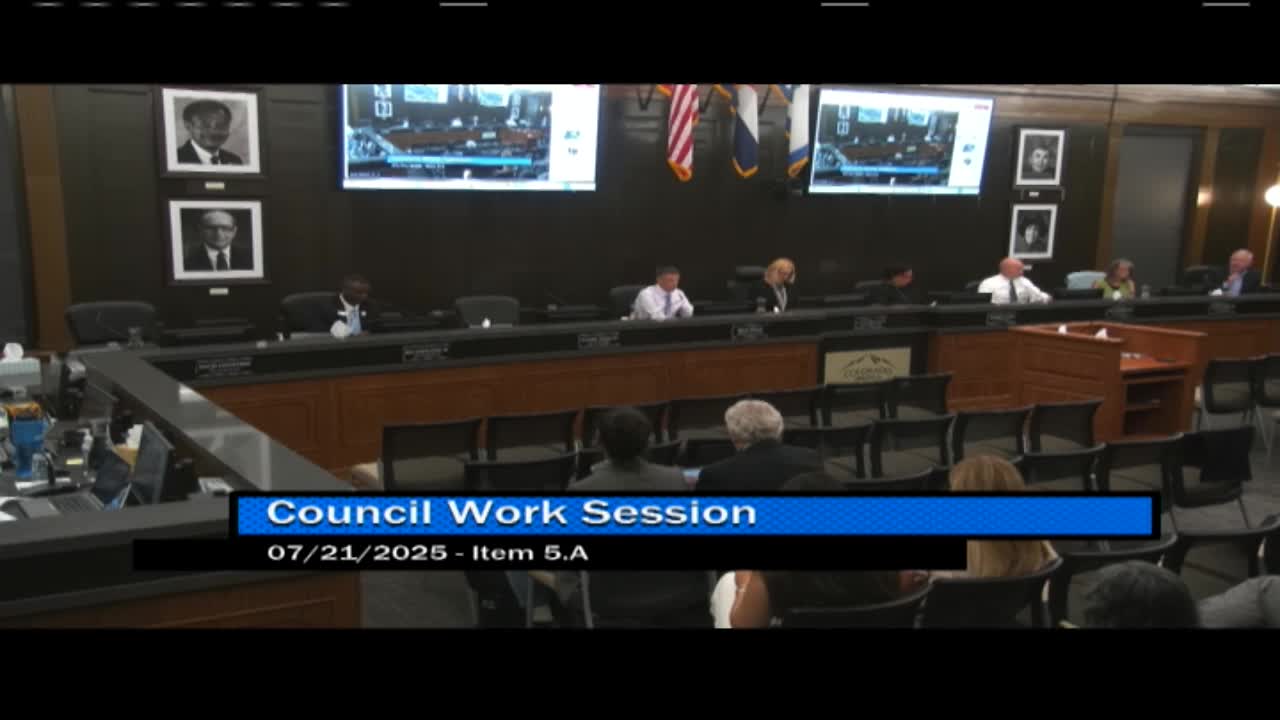
Summary
Careers in Construction Colorado (CICC) briefed council on statewide expansion of a high-school construction vocational program that has placed over 2,000 students in construction jobs and reached more than 15,000 students since 2015; local chapters report 1,332 enrolled students last year and industry-backed funding.
Careers in Construction Colorado (CICC) updated the City Council on Monday on a statewide vocational program that places high-school students into construction careers through classroom instruction, certifications and employer connections. Glenn Hard, director of recruitment and retention for CICC, said the nonprofit grew from a single high-school program in 2015 to partnerships in roughly 91 high schools statewide and six chapter trade-association partners. He said the program emphasizes "educate, empower, and employ" through industry-aligned curriculum, job-site tours, internships and navigator staff who maintain long-term relationships with students and employers. Renee Zantz, representing CICC and industry partners, said statewide the program has enrolled more than 15,000 students since inception, produced almost 10,000 industry-recognized certificates and issued about 6,000 OSHA-10 certifications; statewide CICC reports more than 2,000 students have gained employment through the program. Locally, CICC said 1,332 students enrolled in the Pikes Peak region last school year and 1,166 local students found work in construction. Funding and model: CICC described a mixed funding model: about 50% from grants and individuals, 25% from government, and 25% from industry; local contributions from a region-wide Building Futures Fund (permitting-based donations) have raised about $940,000. Renee Zantz said CICC’s local budget is roughly $2.2 million and estimated a per-student cost of about $700, making the program "very scalable." Why it matters: Council members said they view the program as a way to expand workforce pathways and help residents move toward stable employment and housing. Council members asked whether CICC tracks retention in the industry beyond the first job; presenters said they are improving longitudinal tracking and that navigators and targeted surveys have increased response rates for post-graduation outcomes. Implementation notes: CICC described navigators who visit schools multiple times per semester, teacher stipends, industry-paid curriculum and the chapter/satellite school model to reach districts without nearby trade associations. The nonprofit also partners with programs serving justice-involved and homeless youth. Ending: Council members praised the program and invited further collaboration, including possible school tours and additional engagement with city workforce and economic development staff.