Get Full Government Meeting Transcripts, Videos, & Alerts Forever!
Get email alerts on the Wastewater Treatment topic
No spam. Unsubscribe anytime.
Podcast explains primary treatment: gravity, clarifiers and sludge removal
Summary
In a segment of the Behind the Flow podcast, the host described primary treatment as the first major wastewater cleanup step, where gravity in primary clarifiers removes solids to form a sludge blanket that is scraped out and sent for further processing.
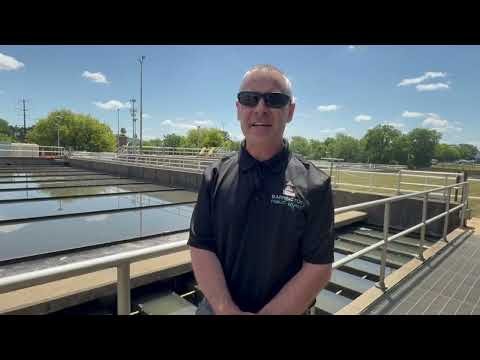
In a segment of the Behind the Flow podcast, the podcast host described how primary treatment uses gravity in large tanks to remove solids from wastewater.
The segment matters because primary treatment is the first major physical step in treating sewage: removing settleable solids reduces the load on later biological and chemical processes.
The host explained that wastewater “flows into primary clarifiers, big tanks where gravity helps remove most of the solids.” He said heavier solids “sink to the bottom and form what we call a sludge blanket.” According to the host, scrapers push that sludge “to 1 spot where it's pumped out of the tank to further treatment,” and any floating material on the surface is skimmed off and “sent to the landfill.” The host added that after primary treatment the “water is mostly clean and ready for the next step.”
The segment described the mechanical actions used in primary clarifiers—settling by gravity, scraping of settled solids, and surface skimming—without providing numerical design parameters, regulatory citations, or plant-specific details. The recording did not specify tank sizes, sludge volumes, destination facilities for sludge beyond “further treatment,” or which landfill receives skimmed material.
The podcast closed the segment urging listeners to follow future episodes for more on wastewater processes: “Stay tuned for the next episode to learn more.”