
Council approves first reading to rezone site for 15‑bed Aspen Estates assisted living and memory care
Get AI-powered insights, summaries, and transcripts
Sign Up Free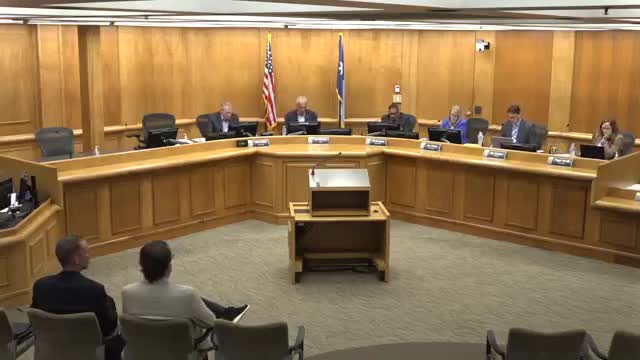
Summary
The Eden Prairie City Council approved first reading of a zoning change and preliminary plat to allow construction of a 15‑bed assisted living and memory care residence called Aspen Estates, directing staff to prepare a development agreement and authorizing an early land‑alteration permit subject to conditions.
The Eden Prairie City Council on Aug. 12 approved first reading of an ordinance and related resolutions to allow construction of a 15‑unit assisted living and memory care home called Aspen Estates on about 1.1 acres east of Aztec Drive, just south of Anderson Lakes and west of Flying Cloud Drive.
Council action followed a staff presentation and a developer overview and will require a development agreement and conditions spelled out by staff before final approvals. The council also authorized an early land‑alteration permit for the project, subject to the permit conditions discussed at the meeting.
City planning staff described the proposal as a zoning district change from I‑2 to RM‑2.5 for about 0.908 acres and from rural to RM‑2.5 for about 0.199 acres, together combining two parcels into one lot. The applicant, Bill Welch, said the single‑story building would be roughly 10,761 square feet and would contain 15 private bedrooms with private bathrooms and a mix of assisted living and memory care services.
The developer said the project is intended to provide a smaller, “home‑like” option compared with larger local facilities, with common living and dining areas, a front kitchen for residents and a separate commercial kitchen that code requires. Welch said roughly three‑quarters of the beds would be memory care and described interior features including a vaulted ceiling, library and a circular walking path in a fenced, shaded yard designed to reduce wandering.
Council members who visited the site and attended a neighborhood meeting reported little opposition from nearby residents. Welch said he mailed notices to about 60 neighbors and that attendance at the neighborhood meeting was small and generally supportive; he said the property line to the east already includes trees on adjacent lots and that his plan adds additional trees and shrub screening along the eastern property line.
Council members asked for clarity about which trees are on the applicant’s property versus neighboring parcels. The applicant acknowledged some existing trees are on adjacent owners’ land and said his plan retains as many on‑site trees as possible while adding shrubs and additional plantings for privacy.
During the public hearing portion there were no members of the public who addressed the council on the project. After discussion, a council member moved to approve first reading of the ordinance changing zoning, adopt a preliminary plat resolution combining the parcels, adopt a finding‑of‑fact resolution supporting park dedication fees, direct staff to prepare a development agreement that incorporates staff and planning commission recommendations and council conditions, and authorize an early land‑alteration permit subject to the permit conditions. A second was given, and the motion passed unanimously.
The council asked the developer to notify the council when construction progresses and invited the applicant to a ribbon‑cutting or tour when the facility opens.
The project will return to the council for a second reading of the ordinance and for final action on the development agreement and permits according to the city’s normal review process.