Get Full Government Meeting Transcripts, Videos, & Alerts Forever!
Get email alerts on the Fee To Trust topic
No spam. Unsubscribe anytime.
County staff to send BIA standard responses on Coeur d'Alene tribe 47‑acre fee‑to‑trust application
Summary
A draft county response for the Bureau of Indian Affairs was previewed; staff recommended the board place a letter on the next legislative agenda documenting 2025 property tax receipts, absence of county special assessments and deferring land‑use questions to the City of Spokane because the site lies within city boundaries.
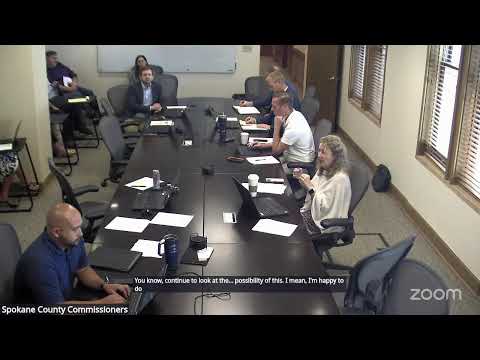
Jim Omasio, special deputy prosecuting attorney, briefed commissioners on an application from the Coeur d’Alene Tribe requesting that a roughly 47.8‑acre parcel be taken into trust by the federal government. The parcel sits near Lataw Creek and lies within the City of Spokane boundary, staff said.
Omasio said Bureau of Indian Affairs procedures require local agencies to provide certain information within a 30‑day comment window: (1) tax revenue affected if property is placed into trust, (2) how land use and zoning would be affected, and (3) any special assessments. The county received notice on June 30 and asked for a 30‑day extension; staff proposed returning a letter on the next legislative consent agenda so the county’s factual responses reach BIA within the review timeline.
Omasio said staff calculated Spokane County property tax receipts for the parcel as approximately $617 for 2025; the county has no special assessments on the parcel. Because the property sits inside the City of Spokane, county staff proposed deferring land‑use and municipal infrastructure issues to the city. The draft letter also notes that BIA gives substantial weight to tribal fee‑to‑trust requests and that recent federal rule changes afford tribes broader deference even for noncontiguous parcels.
Commissioners asked clarifying questions about process and who the county reached out to at the city; staff said they had contacted the city clerk and the mayor and that the city had been involved in the review. Omasio said the proposed board letter would request that BIA consider county concerns about infrastructure and loss of property tax revenue but would otherwise follow the format the board has used in prior fee‑to‑trust applications from other tribes.
Action taken: staff will put the draft response letter on the board’s next legislative consent agenda so the board can sign and transmit it to the Bureau of Indian Affairs by the requested deadline.