Get Full Government Meeting Transcripts, Videos, & Alerts Forever!
Get email alerts on the Opioid Settlements topic
No spam. Unsubscribe anytime.
Spokane County to receive roughly $29 million from opioid settlements; $1.76 million remains unallocated
Summary
County staff briefed commissioners on new opioid settlement payments, an updated payout schedule and how prior board commitments use the funds; roughly $1.76 million remains unobligated under current allocations.
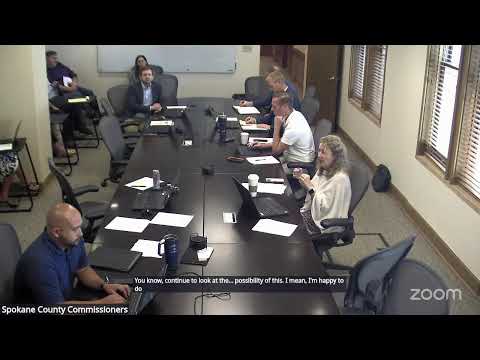
Spokane County officials told the Board of County Commissioners on Aug. 12 that the county expects to receive roughly $29.2 million total from current opioid manufacturer and distributor settlements and that the board has already allocated most of the money to mental‑health and treatment projects.
County health staff said the latest rounds of settlements — including Purdue/Sackler and a group of eight manufacturers and distributors — together add about $2.8 million more to county coffers and raise the county’s lifetime total to about $29.2 million. The county has obligated or recommended projects that would use nearly all of that funding, leaving about $1,760,000 currently unobligated under the county’s list of projects.
The new Purdue/Sackler portion is expected to pay out over 16 years beginning this year; other settlements are one‑time payments. County staff told commissioners they will present a resolution next week to accept the participation agreements and the proposed allocations consistent with the statewide Memorandum of Understanding that guides settlement spending.
The county has already assigned settlement money to projects including expansion of crisis stabilization, a sobering/triage expansion (Maddie’s Place), an emergency housing unit, walk‑in medication‑assisted‑treatment pilots and recurring operating support for some sheriff office programs. Staff said some projects are structured as annual operating commitments and others are one‑time capital or program expenses; that structure affects how quickly unobligated balances might change.
Health staff asked commissioners to note that some project plans remain under review — for example the county and Spokane Regional Health District are still coordinating whether certain walk‑in MAT services are best implemented via SRHD, STARS/MultiCare partnerships or a new county‑led facility. Staff said they will bring further details back to the board before making additional long‑term annual commitments.
Commissioners asked for the tracking spreadsheet and additional detail on which projects are ongoing operating commitments versus one‑time disbursements. Staff said they will provide the tracking sheet and return with a recommended approach once they have updated projections and confirmation of payment schedules from the settlement administrators.
County staff characterized the current posture as cautious: many settlement payments will arrive over multiple years, and the board still retains discretion to reallocate future settlement receipts as program outcomes and needs evolve.
For now, staff requested board approval next week to sign the settlement participation documents that formally enroll Spokane County in the latest rounds of settlements so the county can begin receiving scheduled payments.