Get Full Government Meeting Transcripts, Videos, & Alerts Forever!
Get email alerts on the Crisis Response topic
No spam. Unsubscribe anytime.
New state template, standard response protocol and tech tools central to Norfolk'wide crisis plan updates
Summary
Administrators described the district'wide crisis and emergency management plan aligned to a new Virginia template and the Standard Response Protocol; the plan includes ICS/NIMS alignment, drill schedules, digital building maps, Raptor alerts, weapon-detection systems and training measures for security staff.
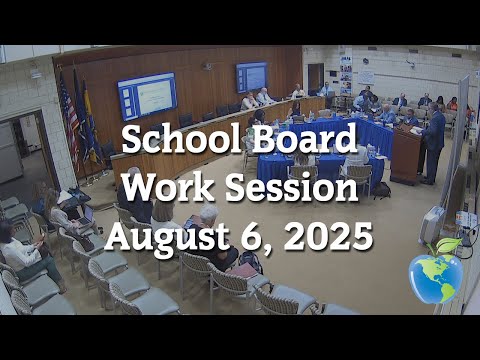
Norfolk staff briefed the board Aug. 6 on the division'level crisis and emergency management plan based on a new state template that aligns with National Incident Management System (NIMS), Incident Command System (ICS) and the Standard Response Protocol (SRP). The district said the template is intended to address "all hazards" and standardize preparedness, response and recovery actions across schools.
The presentation explained the SRP'style actions used in schools: Hold (clear the hallway), Secure (limit outside movement), Lockdown (lock doors, lights out, get out of sight), Shelter (weather-related protective actions) and Evacuate (leave building). Staff said the SRP uses plain language to reduce confusion during incidents and that most active threats end quickly, so locking a solid classroom door to "buy time" is the primary protective tactic until trained responders arrive.
Technology and coordination steps described included digital building mapping available to emergency responders, Raptor alert integration for emergency messaging, and installation of electronic access/key fob systems and weapons-detection portals (branded as weapons-detection/open gate systems) at school entrances. Staff said district plans are shared with local emergency responders; they also reported ongoing conversations about further camera integrations with the city crime center.
Drills and training: the district described required drills and schedules under the new template: multiple fire drills in the first weeks and monthly thereafter; at least two lockdown drills within the first 60 days (and two within an earlier 20-day window for some types of drills); one tornado drill annually; a newly required annual cardiac-response drill; and two bus emergency drills. Staff said security officers receive mandated training on hire (16 hours state-required training plus 8 hours of district-specific training); supervisors and zone leads also perform periodic site reviews.
Questions from the board covered response times and coordination with police and fire; staff said they regularly coordinate with first responder leadership, have digital maps and knock-box/door access planning for responders, and can provide average response metrics on request, while noting response times vary by call priority and city conditions. Board members also asked about school resource officer (SRO) coverage; staff said one SRO is assigned to middle schools currently (Ruffner named) and the district is in conversations with Norfolk Police about SRO coverage.
What's next: schools will finalize site-specific plans and submit them for certification to the state after board review; staff will continue coordinating equipment, training and first-responder integration and will provide further details as requested by the board. There was no formal board vote recorded during the update.