Get Full Government Meeting Transcripts, Videos, & Alerts Forever!
Get email alerts on the Athletics Facility Funding topic
No spam. Unsubscribe anytime.
Board approves application for tourism grant to fund Union Pines field turf; debate centers on turf vs. sod and process
Summary
The Moore County Schools board voted 6‑1 to submit a Moore County Tourism Development Authority one‑time project fund application for artificial turf at Union Pines High School. Board debate focused on costs, timing, environmental and injury concerns, and whether tourism funds should be earmarked for school facilities.
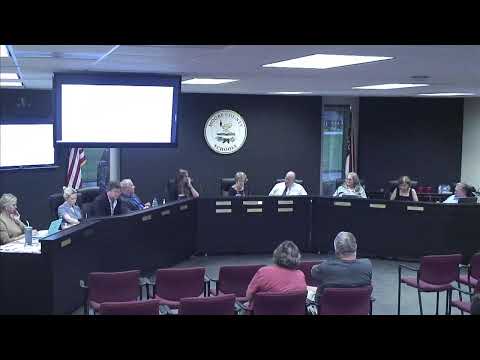
The Moore County Schools Board of Education voted 6‑1 on Aug. 11 to authorize staff to submit a Moore County Tourism Development Authority one‑time project fund application for artificial turf at Union Pines High School.
Board Member Hensley moved to approve the application; Miss Davis seconded the motion. The vote passed 6‑1, with Board Member Bruno casting the lone dissent. "This is a win‑win," Hensley said, arguing the turf would benefit students, performing arts programs and sports tourism, and that tourism funds could reduce pressure on taxpayers.
Superintendent Locklear and staff outlined the background for the request: the Moore County Board of Commissioners had set aside $600,000 to match a grant from the convention and visitors bureau for a field‑turf project at Union Pines. The district and staff discussed pros and cons of field turf versus sod; staff said turf offers lower maintenance and broad playability but cited research indicating a possible small increase in lower‑extremity injuries when turf is compared to well‑maintained sod.
Deputy Miss Purvis explained the procurement timeline that shaped earlier decisions: state procurement rules require requests for qualifications (RFQs) and public advertisement that would have delayed selection and installation even if the board approved turf earlier. The district said earlier decisions to install sod were made to avoid students starting a season without a home field because the RFQ and site‑work timelines likely would have pushed turf installation beyond the season.
Board members expressed differing views. Miss Bruno said process decisions had "been so mishandled" and criticized the earlier spending. Board Member Benway encouraged using tourism funds for dual‑use facilities and urged that as much as 25% of the tourism authority's budget be allocated to such projects, saying the authority had grown significantly and could support school needs. Other board members said parental preference and booster support for Union Pines, and positive experience at Pine Crest (which has turf), factored into their votes.
Staff noted that Carolina Football Club has signaled it would host tournaments if turf is installed and that a grant application could improve the district's ability to host events that also serve students.
The board did not adopt a construction contract that night; it authorized staff to submit the tourism fund application and move forward with the grant process. Staff said site engineering, RFQs and contractor selection remain necessary steps before installation. Union Pines boosters and parents led local advocacy for the turf installation.