
Area agencies on aging tell Senate their programs find and prevent elder abuse through meals, case management and local trust
Get AI-powered insights, summaries, and transcripts
Subscribe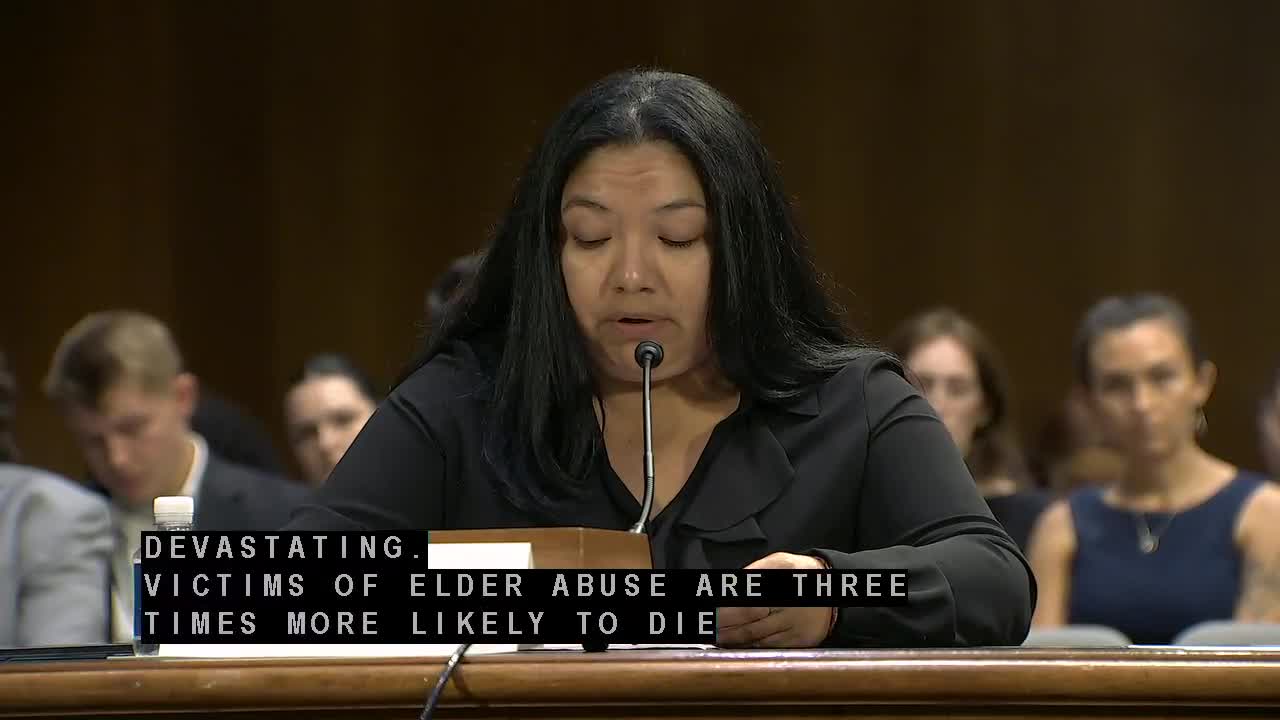
Summary
Local area agencies on aging (AAAs) testified that OAA-funded services—home-delivered meals, respite, case management and congregate sites—create trusted relationships that enable early detection and prevention of abuse and neglect.
Witnesses described local Area Agencies on Aging as the front line for spotting abuse and delivering interventions that keep older adults safe. Marcela Morado, president and CEO of the Southwest Florida Area Agency on Aging, described several case examples in which OAA-funded services enabled detection and response: a respite specialist found a 93-year-old woman with unexplained bruises and removed her to safety after reporting to Adult Protective Services; OAA-funded legal services helped prosecute a perpetrator after an 89-year-old woman lost her life savings to a scammer. Morado said the trust built through in-home services, meal delivery and senior centers makes it more likely that seniors will disclose abuse. “Our greatest strength is the deep trust we've built with the people we serve,” she said, adding that AAAs respond quickly through multidisciplinary teams and that OAA-funded early-intervention networks can respond to high-priority cases within 24 hours. AARP witnesses and others urged that these community services be sustained and expanded. “These programs reduce isolation, support independence and lower the risk of abuse,” Sean Vosco said, citing state-level successes and volunteer support networks that supplement agency capacity. Discussion vs. decisions: Testimony documented program roles and recommended increased funding; there were no committee votes. Senators asked witnesses how local agencies can better coordinate with law enforcement and technology task forces to aggregate small-dollar financial fraud into larger investigations. Ending: Panelists urged lawmakers to treat community-based services as cost-effective, evidence-based prevention that reduces reliance on institutional care and protects seniors’ dignity.