Get Full Government Meeting Transcripts, Videos, & Alerts Forever!
Get email alerts on the Energy Affordability Bill topic
No spam. Unsubscribe anytime.
Governor presents Energy Affordability, Independence and Innovation Act to Joint Committee
Summary
Governor and administration officials told the Joint Committee on Telecommunications, Utilities and Energy the proposed act would cut bills, expand clean energy and use financing tools to lower costs, while soliciting legislative feedback on specifics including securitization, interconnection and procurements.
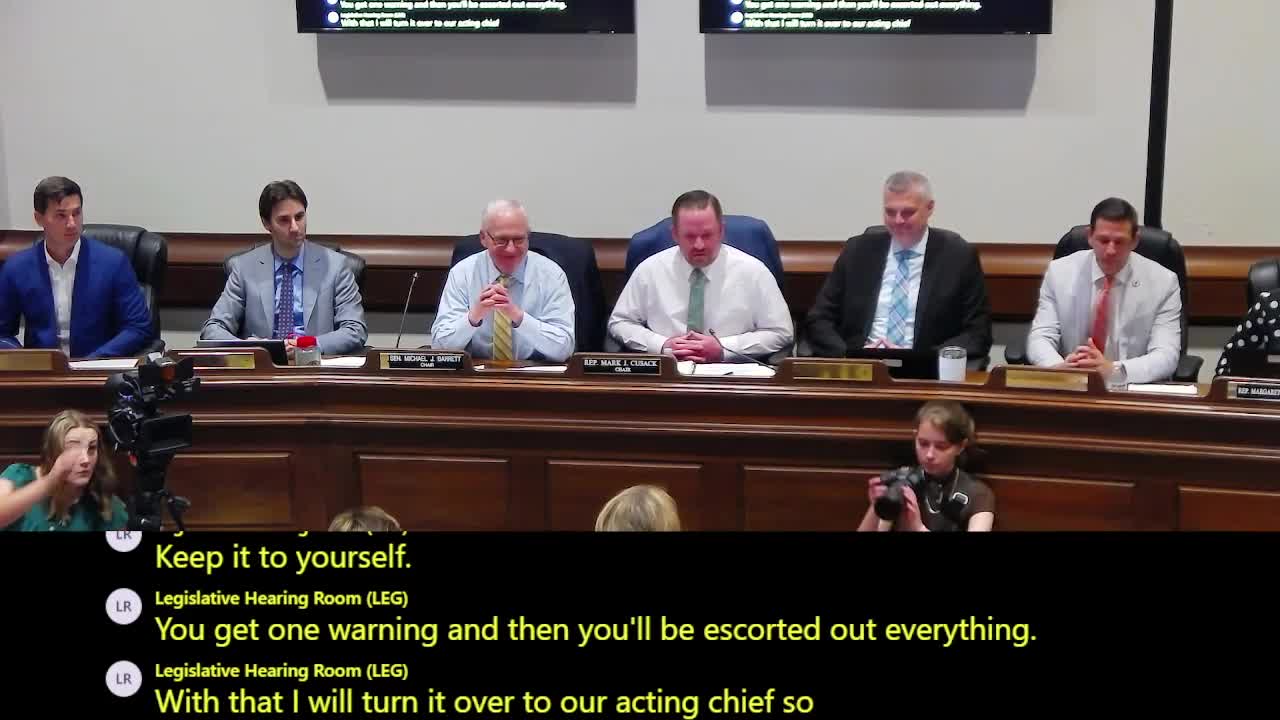
BOSTON — Governor Maura Healey and administration officials told the Joint Committee on Telecommunications, Utilities and Energy on July 9 that their Energy Affordability, Independence and Innovation Act would lower household and business energy bills while accelerating clean energy development.
The governor said the proposal would “save energy consumers at least $13,700,000,000 over the next 10 years” when combined with executive actions and that it targets extra charges on bills, broader access to discounted rates and new ways to bring more energy into Massachusetts to reduce exposure to global price shocks.
The administration officials described a multi-part plan: reforms to Mass Save, expanded tools for procurement, improved interconnection for rooftop and large-scale solar, and new financing mechanisms including securitization. Secretary of Energy staff and other agency officials joined the governor to answer questions from committee members.
Committee members pressed for details on several fronts: whether securitization would increase “all‑in” costs versus pay‑as‑you‑go financing; whether proposed net‑metering and SMART changes would slow solar development; and how procurements would treat different clean resources, including solar, hydro and, controversially, nuclear.
Administrators told the committee that the bill directs the Department of Public Utilities (DPU) to review rate impacts, requires stakeholder processes and that many design details remain subject to rulemaking and legislative refinement.
The administration emphasized that components are meant to work together: immediate bill relief through removing or restructuring charges, mid‑term savings through program reforms and financing, and long‑term savings by increasing in‑state and regional clean generation and storage. The governor and secretary said the bill also includes enhanced consumer protections and labor standards on major projects.
The hearing included dozens of witnesses from labor unions, industry groups, municipal officials, environmental organizations, solar and geothermal businesses and consumer advocates, reflecting broad interest and disagreement on specific provisions. Several witnesses urged the committee to avoid retroactive changes and to ensure local industries and ratepayers are protected as rules change.
The committee did not vote. Members asked for written materials, further cost analyses and redrafts on specific sections before moving the bill forward.