Get Full Government Meeting Transcripts, Videos, & Alerts Forever!
Get email alerts on the Transportation Emissions topic
No spam. Unsubscribe anytime.
Senator and industry leaders urge more time, infrastructure before heavy‑duty truck electrification mandates
Summary
Sen. Mike Moore and trucking‑industry witnesses urged lawmakers to delay heavy‑duty electrification mandates so the Commonwealth can build charging infrastructure and manufacturers can increase availability of electric vocational trucks.
Senator Mike Moore urged the Joint Committee on State Administration and Regulatory Oversight to report favorably on S.2185, a bill he described as a measured approach to reducing transportation emissions while protecting dealers, municipal fleets and private businesses that rely on medium‑ and heavy‑duty vehicles.
Sen. Moore said S.2185 would delay implementation of the Heavy‑Duty Omnibus and Advanced Clean Truck (ACT) rules until July 1, 2027 to allow the Commonwealth time to expand charging infrastructure and for manufacturers to increase the range and availability of electric vocational trucks. “This delay is intended to allow the Commonwealth to build out the infrastructure necessary to support the electrification of medium and heavy duty vehicles,” Moore said. He also described a separate provision that would require Commonwealth purchases and leases, effective July 1, 2025, to be electric where feasible.
Industry witnesses reinforced the message that vehicle availability, total cost and grid capacity remain substantial barriers. Kevin Weeks of the Transportation Association of Massachusetts and Paul Kounoski of the Massachusetts Auto Dealers Association said zero‑emission technology for many vocational and heavy‑duty truck categories is not yet widely available, costs remain substantially higher than diesel alternatives, and public and private fleet operators need time and targeted infrastructure investments to transition without service disruptions.
Sen. Moore thanked MassDEP for delaying the implementation of the ACT rule for model years 2025 and 2026 and said the bill’s pause would preserve dealers’ ability to meet immediate procurement needs while not abandoning long‑term emissions goals.
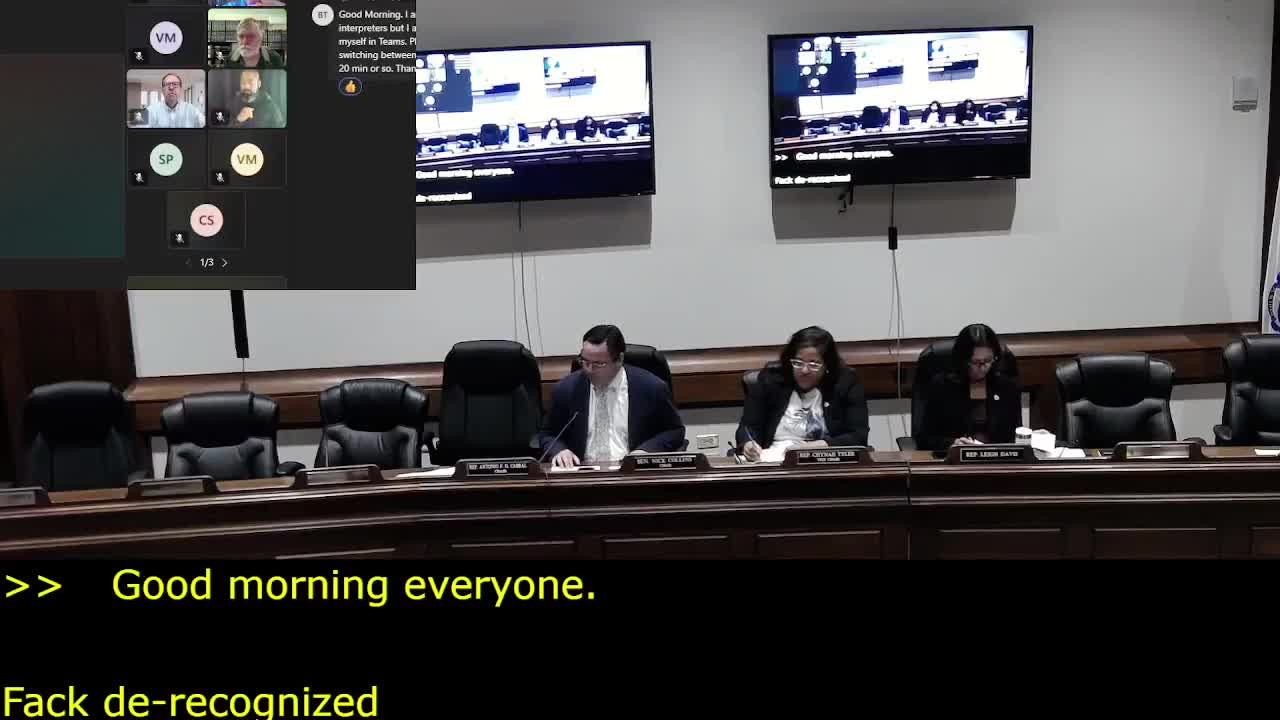
Committee members asked about rebate programs, battery range and grid capacity. Witnesses cited vehicle purchase prices two to three times higher than comparable diesel models, limited vocational model choices, and the need to plan for charging at depots and along routes. No binding action was taken; the hearing record will be used by the committee as it drafts recommendations and considers potential funding or staged requirements.
Why it matters: Medium‑ and heavy‑duty vehicles contribute a large share of transportation emissions; policymakers must balance emissions reductions with operational feasibility and public‑sector fleet readiness.
Next steps: Committee staff may request additional modeling on grid impacts, total cost of ownership comparisons, and a timeline for manufacturer availability before reporting.