Get Full Government Meeting Transcripts, Videos, & Alerts Forever!
Get email alerts on the Menstrual Products topic
No spam. Unsubscribe anytime.
Supporters urge state to require free menstrual products in public buildings
Summary
Nonprofit groups, students and public-health advocates told the joint committee that H.3318/S.2156 would standardize access to menstrual products in public restrooms across state agencies and public higher education, citing distribution numbers, student basic-needs studies and municipal pilot programs.
Advocates from volunteer organizations, student groups and statewide nonprofits urged the Joint Committee on State Administration and Regulatory Oversight to support legislation that would require menstrual products be provided free in restrooms at public agencies, community colleges and public universities.
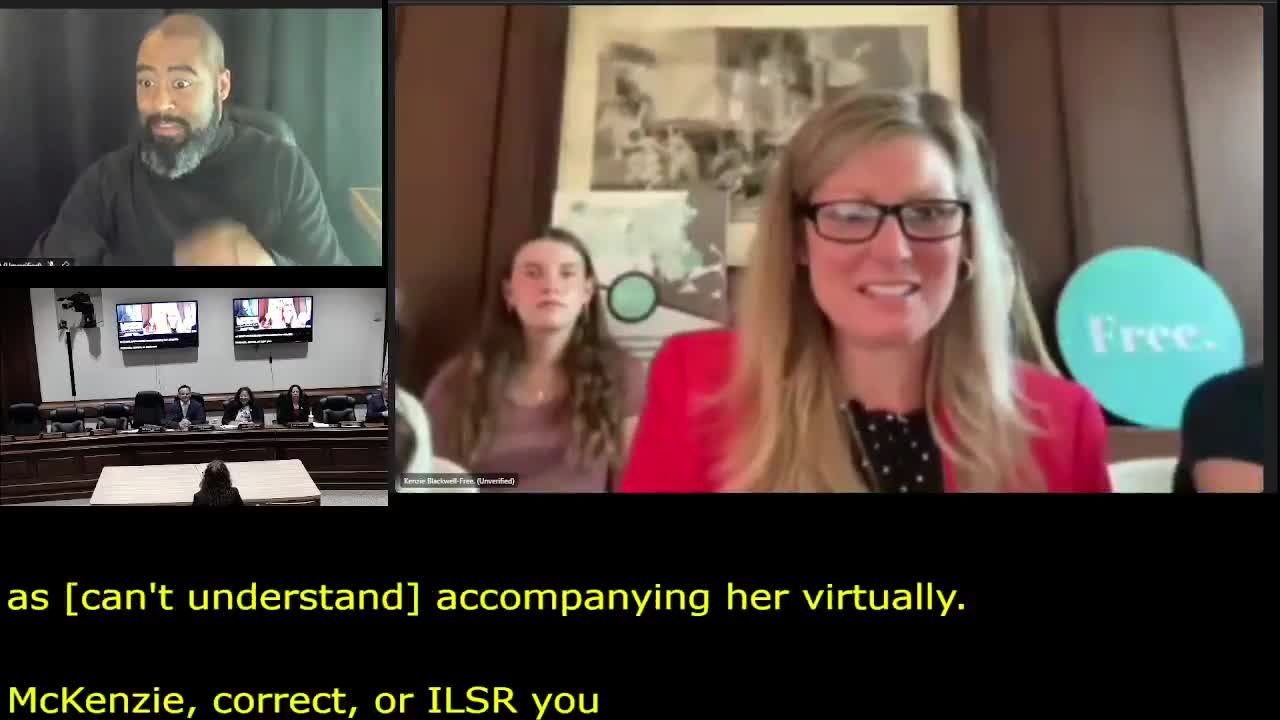
Speakers said the legislation—filed as S.2156 and H.3318—would treat menstrual products as basic hygiene items, akin to toilet paper or soap, and would reduce “period poverty” for students, public employees and people who use state services. Kenzie Blackwell, founder and director of Free Period, told the committee that her volunteer network in Hingham has distributed more than 3,600,000 products since 2021 and that requests frequently come from patrons in public spaces. Cora Blackwell, an incoming high‑school freshman, described an experience of unexpectedly starting her period in a public restroom without supplies and urged the legislature to act to prevent similar embarrassment for others.
Kyla Pfizer of Mass Now said the measure would affect tens of thousands of people immediately by covering state employees and the half‑million students enrolled in community colleges and public universities: “Assuming roughly half are menstruators, this policy could immediately benefit at least 112,000 residents across the Commonwealth,” she said, citing enrollment figures presented at the hearing. Pfizer said that nonprofit distributors have already supplied hundreds of thousands of products statewide in recent months but that a statutory requirement would ensure consistent availability.
Supporters noted that many existing pilot programs in schools and some municipal facilities have succeeded and that the bill would formalize and expand access to state-run buildings including courthouses and Registry of Motor Vehicles locations. No committee vote was taken at the hearing; witnesses provided written testimony and program data for the committee’s review.
Why it matters: Witnesses framed the bill as a straightforward equity and public‑health measure that would remove a recurring, daily cost for those who menstruate and reduce acute needs that otherwise fall on staff and nonprofit providers.
Next steps: Committee staff will accept written follow-up and may request cost estimates and implementation plans from state agencies.