Get Full Government Meeting Transcripts, Videos, & Alerts Forever!
Get email alerts on the Farmworkers Labor Rights topic
No spam. Unsubscribe anytime.
Lawmakers Hear Testimony Calling for Overtime, Higher Wages for Farmworkers
Summary
Farmworker advocates, health professionals and legal services attorneys urged the committee to pass legislation to extend minimum wage, overtime pay and paid time off to agricultural workers; farm‑industry groups warned of financial strain and urged alternatives.
BOSTON — Farmworker advocates, legal services attorneys and clinicians pressed the Joint Committee on Revenue to pass the Fairness for Farm Workers Act (filed as S.2011 / S.2012 / H.3107), saying state law continues to exclude agricultural labor from minimum‑wage protections and overtime despite longstanding harms and racialized origins to the exclusions.
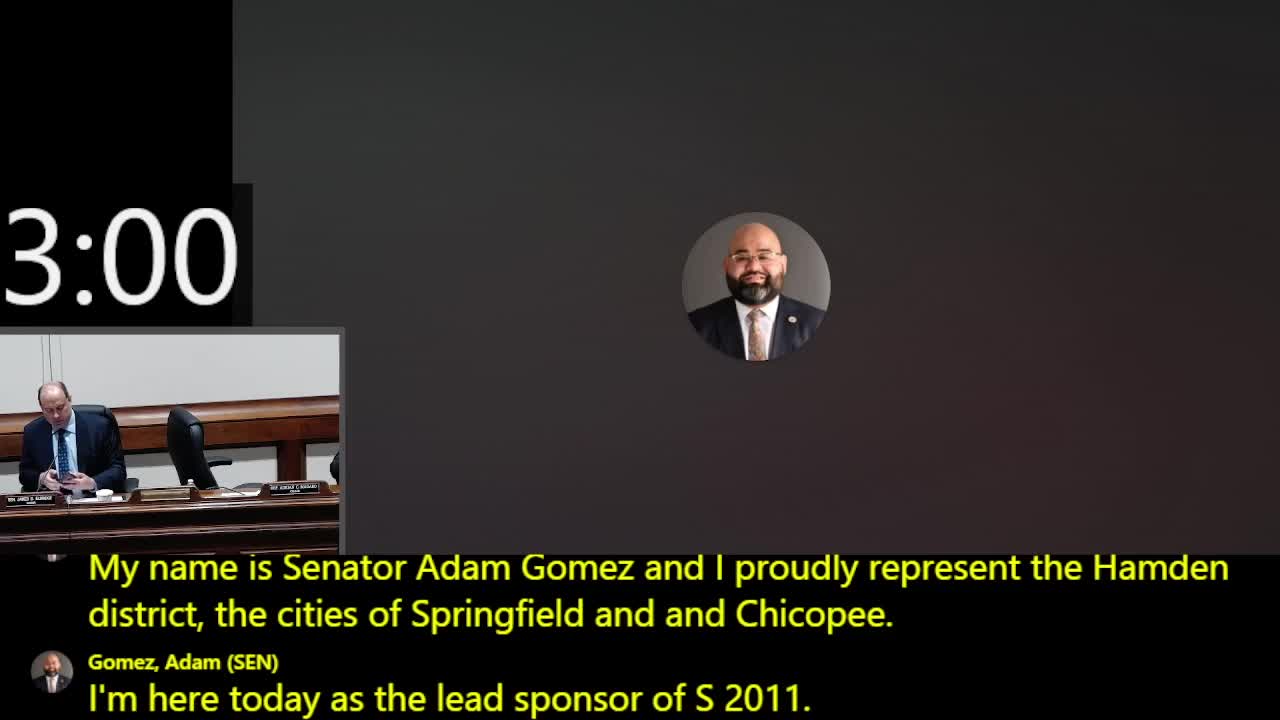
Senator Adam Gomez, lead sponsor, told the committee Massachusetts has more than 14,000 farmworkers and that many still earn a state‑law subminimum wage of $8 an hour and lack overtime protections. The bills would require overtime after 55 hours per week for primary agriculture and provide a refundable employer tax credit to help offset increased labor costs, Gomez said. S.2012 would also raise the minimum to at least $15 and provide paid breaks and accrued paid time off.
Claudia Quintero of the Central West Justice Center and Iris Coloma Gaines of the Massachusetts Law Reform Institute described the workers’ health and poverty burdens, noting higher rates of severe poverty, heat‑related illness, occupational injury and lack of medical access. Nurse‑practitioner Maggie Sullivan described clinical consequences of delayed care and work‑related injuries.
Opponents, including the Massachusetts Farm Bureau and agricultural lobbyists, said the state’s small, high‑cost farms already operate on thin margins and cannot absorb new mandatory overtime or rigid break rules. Karen Schwalbe, executive director of the Farm Bureau, said the average Massachusetts farm has a small net cash income and many operators rely on off‑farm work; Dan Bosley, the Farm Bureau lobbyist, contrasted Massachusetts’ small farms and lower crop values with larger‑scale states such as New York and urged caution about implementing New York‑style tax credits here.
Committee members asked about implementation details: how overtime would be measured for interstate workers, administrative reporting, and whether pilot programs or smoothing mechanisms (monthly collection or employer pass‑throughs) could reduce “billing shocks” to workers and farms. Witnesses suggested refundable tax credits or phased approaches. No vote or formal committee action occurred during the hearing.