Get Full Government Meeting Transcripts, Videos, & Alerts Forever!
Get email alerts on the Indigenous Peoples Day topic
No spam. Unsubscribe anytime.
Lawmakers, tribal leaders and Italian Americans debate replacing Columbus Day with Indigenous Peoples’ Day
Summary
Supporters and opponents of renaming Columbus Day as Indigenous Peoples’ Day presented contrasting testimony at a Joint Committee hearing on bills S.2113 and H.3292, with tribal leaders urging a replacement of the October holiday and some Italian American and Native American speakers opposing removal.
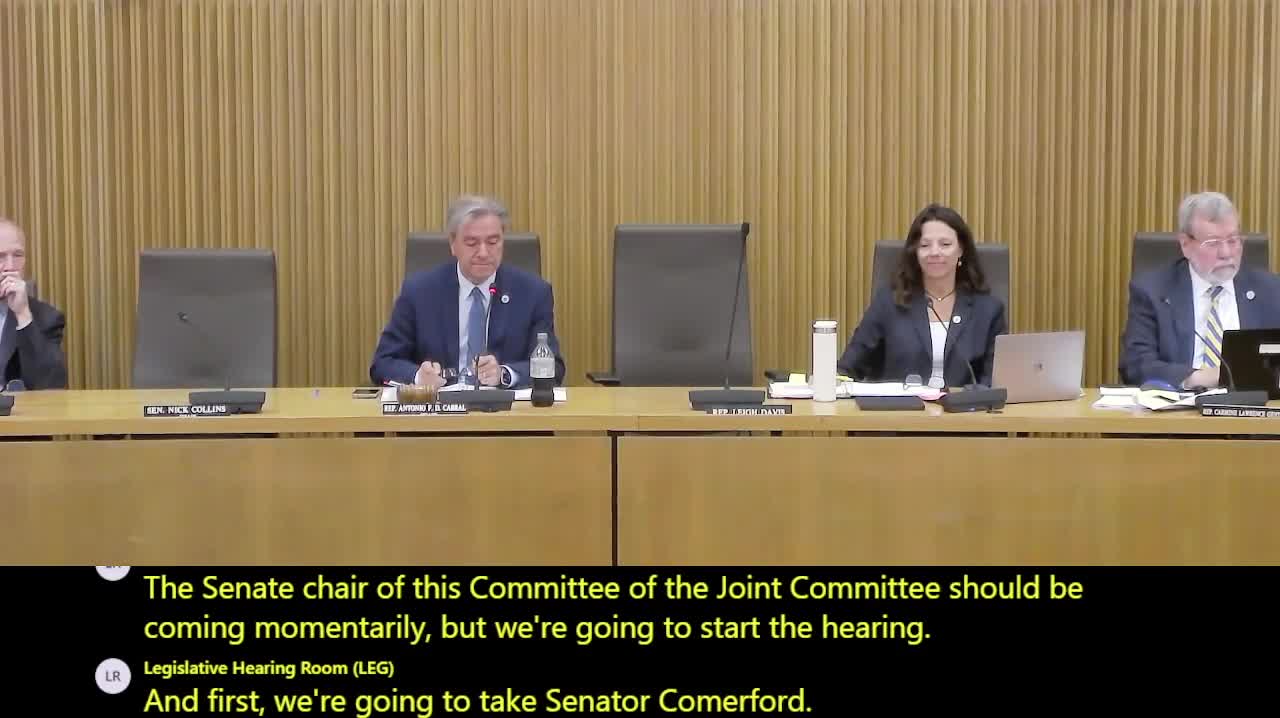
Supporters and opponents of renaming Columbus Day as Indigenous Peoples’ Day presented contrasting views at a hybrid hearing of the Joint Committee on State Administration and Regulatory Oversight, where bills S.2113 and H.3292 were heard.
Proponents, including tribal leaders and indigenous advocates, said changing the second Monday in October to Indigenous Peoples’ Day would acknowledge the history and ongoing presence of Native peoples in the Commonwealth and help correct historical erasure. Senator Jo Comerford testified in favor of S.2113 and framed the change as a response to calls from indigenous leaders across Massachusetts (Sen. Jo Comerford). Nina Lehi, president of the North American Indian Center of Boston, told the committee that Indigenous Peoples’ Day would replace a holiday that "glorifies a brutal colonizer" and called the change a step toward repair and public education (Nina Lehi, North American Indian Center of Boston). United American Indians of New England representative Matoey Monroe said Indigenous Peoples’ Day has been sought by Native people for decades and noted that many municipalities and several states already observe versions of the day.
Advocates described the move as both symbolic and practical: they said a state holiday would create a recurring opportunity for public education about colonial history and tribal sovereignty, and would be consistent with other states and municipalities that have moved to Indigenous Peoples’ Day. Testimony cited historical examples of violence and dispossession beginning with early European expeditions and the long-term effects on Native communities.
Opposition came from several quarters. Some Italian American speakers said Columbus Day serves as recognition of Italian American immigration and contributions and called proposals to remove the holiday an erasure of their heritage. Other speakers identified as Native American opposed the bills on the grounds that removing Columbus Day did not reflect their views and argued for different remedies; the Native American Guardians Association said it stood with Italian Americans and opposed canceling the holiday. Several witnesses urged compromise proposals, including creating a separate Indigenous Peoples’ Day in August (citing the United Nations date of August 9) or retaining Columbus Day while designating another date for indigenous recognition.
Witnesses who spoke about local practice noted that more than two dozen Massachusetts municipalities already observe Indigenous Peoples’ Day in place of Columbus Day, and at least 14 states have adopted similar measures. Committee members noted that Massachusetts General Laws, chapter 6, section 12, already directs the governor to issue a Native American Day proclamation (for September) and discussed whether that or other statutory observances should factor into a decision.
Throughout the hearing, panelists urged the committee to consider the views of indigenous leaders themselves. Proponents insisted that Indigenous Peoples’ Day must stand as its own holiday on the October date and not be relegated to a separate month or a joint celebration. Opponents warned of cultural and community harm if Columbus Day were removed without broader consensus.
The committee took no vote at the hearing; members encouraged written testimony to remain part of the record and signaled continued deliberation.