
Senate Veterans' Affairs Committee advances Access Act and bipartisan veterans package amid debate over community care
Get AI-powered insights, summaries, and transcripts
Subscribe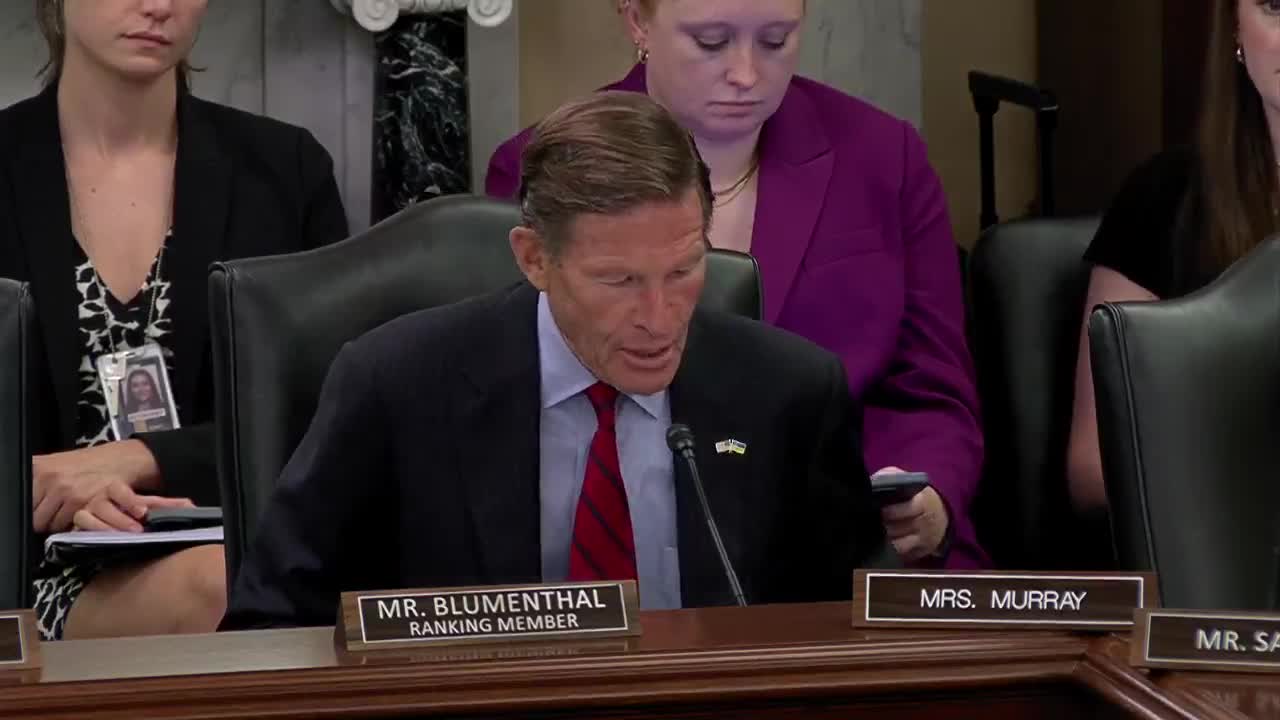
Summary
The Senate Veterans' Affairs Committee on Wednesday voted to advance a bipartisan package of veterans' legislation, including the Access Act (S.275), moving the bills toward the full Senate after a roll-call vote and additional unanimous-consent actions.
The Senate Veterans' Affairs Committee on Wednesday voted to advance a bipartisan package of veterans' legislation, including the Access Act (S.275), moving the bills toward the full Senate after a roll-call vote and additional unanimous-consent actions.
The committee’s chairman, speaking at the start of debate, said he would “be voting in favor of all the bills we're considering today,” and described a 24-bill package that the panel planned to consider, ranging from expanded VA health care access to research into low-level blast injuries and supports for caregivers, student veterans and women veterans.
Why it matters: The Access Act would extend and refine rules for community care for veterans, a central and contentious issue for the VA. Supporters said it would increase timely access to services for veterans who live far from VA facilities; opponents cautioned it risks undermining the VA’s role as the principal provider of veterans’ care.
Supporters and opponents Senator Richard Blumenthal, the committee’s ranking member, said the committee had worked in a bipartisan fashion and described the Access Act as a measure to reduce “bureaucratic hurdles” for victims of military sexual trauma and to expand treatment access. “We’re still capable of coming together in good faith to advance ideas and legislation on their behalf,” Blumenthal said.
Senator Marsha Blackburn, a bill supporter, urged permanence for access standards and broader pilots beyond mental-health services, arguing that community care provides convenience and options for veterans who live far from VA facilities. “Our goal should be to make health care convenient and to provide more options for our veterans,” Blackburn said, adding she supported making access permanent so veterans “know what they're going to get.”
Senator Mazie Hirono said she would vote against the Access Act because she fears the measure moves VA care toward privatization. “Moving us toward privatizing VA care is not the way to go,” Hirono said, and urged focus on recruiting and retaining medical professionals within the VA.
Senator Angus King said he planned to support the bill but emphasized that community care should remain “an adjunct and not a replacement” for VA care and that community providers must meet the same standards and timeliness as VA providers.
Key technical and procedural points Committee members and staff noted that additional work remains before the bills reach the Senate floor. The chairman and ranking member said statutory costs tied to the measures must be fully offset under PAYGO rules after the Congressional Budget Office issues final cost estimates. The chairman also described a negotiated compromise in the Access Act that allows access standards created by the Mission Act to remain in place for eight years rather than permanently.
Senator Blackburn noted the committee had included a pilot on mental-health community care and raised workforce and operational concerns, including a claim that about 80% of the VA workforce is unionized—an assertion she used to argue for more options in community care.
Formal actions and votes Senator Bozeman moved to adopt the committee print to S.275 and to report S.275 as amended and requested a roll-call vote. The motion was seconded and carried by roll call. The clerk tallied the vote as 16 yeas, 2 nays and 1 not voting; the transcript records Senators Bernie Sanders and Mazie Hirono as voting no (Sanders by proxy). The committee then considered and moved a package of other bills by unanimous consent; Senator Sanders asked to be recorded as a no vote on one item, the Veterans Home Care Choice Act (committee print F.635), which was noted in the record.
Distinguishing discussion, direction and decisions - Discussion only: Members debated the balance between expanding community care and preserving VA capacity; concerns included potential privatization, workforce retention, and whether civilian providers can meet veterans’ needs in all specialties. Several senators emphasized the need to recruit and retain VA clinicians. - Direction/assignment: Committee leaders said they would continue negotiations with the House, the VA and the White House and await a CBO score and cost offsets required by PAYGO before the bills proceed further. - Formal action: The committee adopted the committee print for S.275 and voted to report it favorably (16–2, 1 not voting). The committee also voted to report the remainder of its agenda en banc by voice vote or unanimous consent, with one recorded no vote on a separate item as noted above.
Clarifying details from the record - CBO score: committee members repeatedly said final Congressional Budget Office cost estimates are pending and PAYGO offsets will be required. - Access standards: the agreed compromise would maintain Mission Act access standards for eight years rather than making them permanent. - Pilot: the committee included a mental-health pilot for community care and discussed expanding pilots to other areas. - Vote tally: roll-call recorded 16 yeas, 2 nays, 1 not voting; Senators Mazie Hirono and Bernie Sanders are recorded as the two no votes on S.275 in the transcript.
Other items and next steps Committee leaders said they would continue technical and substantive negotiations with stakeholders, veteran service organizations and the VA to refine the bills before floor consideration. A number of veterans service organizations filed statements into the record supporting the package, and committee staff were authorized to make clerical and budget-conforming changes before final printing.
Ending note: Senators on both sides said they expect continued debate as the measures proceed to the Senate floor and through conference with the House, and they stressed that ensuring quality standards for community providers and protecting VA capacity will remain central to ongoing negotiations.