Get Full Government Meeting Transcripts, Videos, & Alerts Forever!
Get email alerts on the Yimby Faith Land topic
No spam. Unsubscribe anytime.
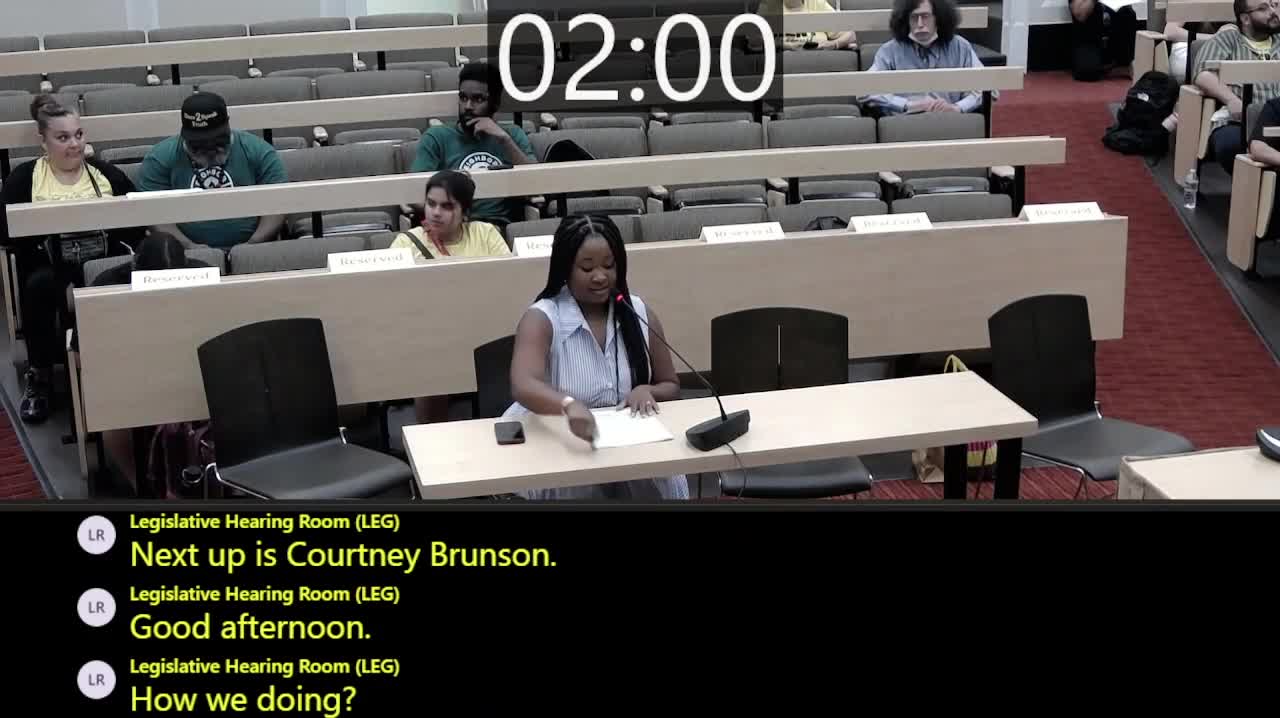
Advocates back 'Yes in God's Backyard' bill to let faith groups develop housing on owned parcels
Summary
Supporters told the committee that giving religious and nonprofit institutions by‑right authority to build housing on land they already own (YIGBY proposals such as S.14‑30) could unlock hundreds of thousands of potential units and produce affordable housing while preserving institutional missions.
Witnesses from housing advocacy groups and philanthropic organizations urged the committee to report favorably on a proposal often described as “Yes in God’s Backyard” (YIGBY), which would allow faith‑based organizations to develop housing by right on land they already own.
Supporters, including the Boston Foundation’s economic equity director and representatives of housing nonprofits, said religious institutions collectively hold thousands of parcels statewide — many underused — and that granting conditional by‑right authority with affordability requirements could generate substantial housing while allowing communities to determine density and affordable set‑asides.
Proponents quantified potential impacts: one estimate cited more than 4,000 developable parcels owned by faith organizations, with a theoretical production scale up to hundreds of thousands of units if fully realized (with a more conservative, local estimate in the tens of thousands once infrastructure and zoning conditions are applied). Witnesses said the policy would be paired with affordability thresholds and flexibility for municipalities.
Why it matters: Faith and nonprofit institutions often own centrally located land (churches, parking lots, parish houses) that can be repurposed for housing while preserving congregational uses. Supporters argued the bill could accelerate production in locations near transit and services while preserving public benefits through affordability clauses.
Committee status: Testimony was recorded at the hearing; no committee vote was taken in the transcript.