Get Full Government Meeting Transcripts, Videos, & Alerts Forever!
Get email alerts on the Community Mental Health topic
No spam. Unsubscribe anytime.
Advocates back grants to boost mental‑health capacity for communities at high risk of hate crimes
Summary
The Jewish Community Relations Council and Rep. (filed sponsor) told the committee that H2207 (and related Senate filing) would create capacity grants to help organizations at high risk of hate crimes fund mental‑health programs and prevention work.
Boston — Community and Jewish‑community advocates asked legislators to fund mental‑health capacity grants for organizations that are either at high risk of hate crimes or work with populations at high risk, describing the approach as a preventive, upstream intervention.
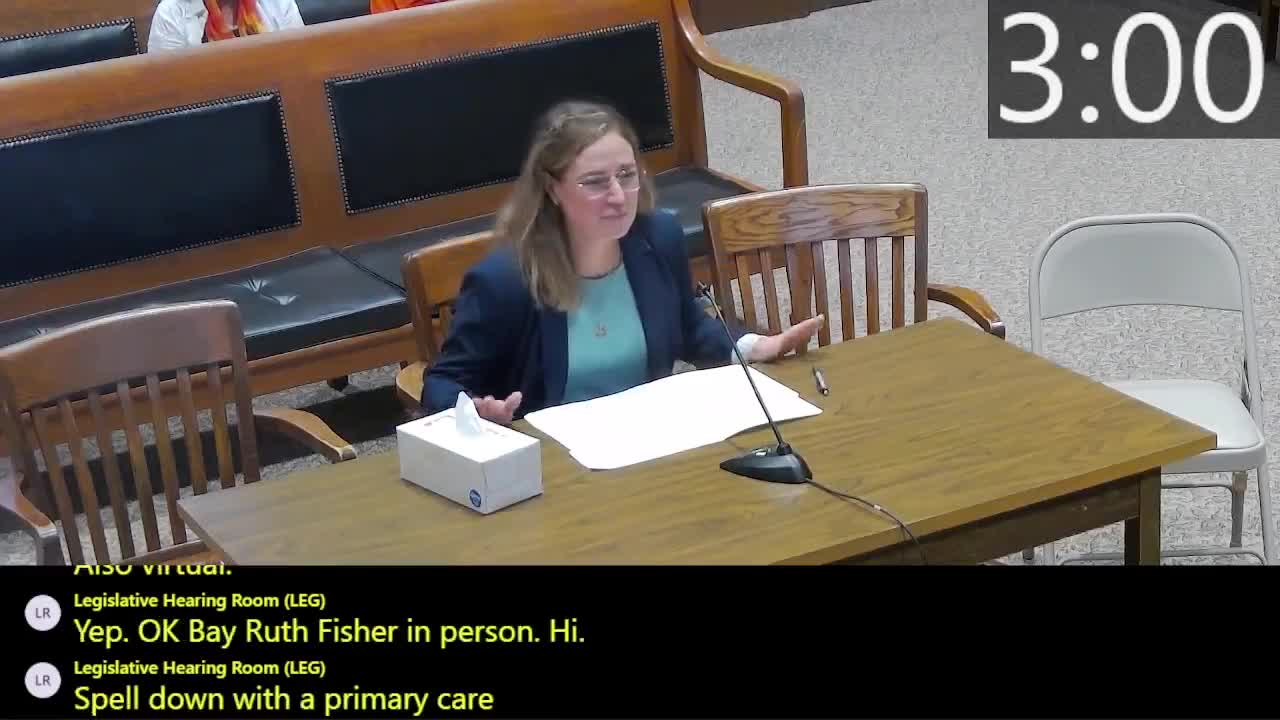
Faye Ruth Fisher, chief of public affairs for the Jewish Community Relations Council of Greater Boston, testified in strong support of the bill described in testimony as “S13 88 8 / H2207.” She said the proposal would create mental‑health capacity grants that are “broadly inclusive of impacted organizations and populations” and flexible in allowable uses so organizations can design culturally appropriate programs.
Fisher said the grants were an upstream, harm‑reduction intervention that complements funding for victim services, security, and law enforcement. She noted the bill was reported favorably by the committee last session and included in recommendations from the governor’s 2022 hate‑crimes task force.
Rep. (filed sponsor) described why the Legislature needs to support local organizations. She gave an example of a constituent in Mattapan who needed group treatment that was geographically distant and culturally nonrepresentative; the grant program, she said, would support locally accessible and culturally relevant groups so affected parents get help without long travel or isolation.
Why it matters: Witnesses framed the bill as mental‑health prevention and resilience building in communities targeted by hate, not as a replacement for law enforcement or victim services. They urged the committee to include capacity grants in legislative action so community groups can expand programming and outreach.
What the bill does not decide: Testimony described program design and eligibility broadly; the committee did not set grant amounts, eligibility criteria, or specific appropriation levels at the hearing.
Ending: Supporters asked the committee to report the bill favorably and urged lawmakers to include funding during the budget process so community organizations can begin capacity building.