Get Full Government Meeting Transcripts, Videos, & Alerts Forever!
Get email alerts on the Perinatal Mental Health topic
No spam. Unsubscribe anytime.
Lawmakers, advocates urge $ trust fund to grow perinatal mental‑health workforce
Summary
Speakers at a Joint Committee hearing urged the Legislature to create a perinatal behavioral health workforce trust fund (H2208/S1411) to expand training, diversify providers, and close gaps created by mandated postpartum screening and long wait lists.
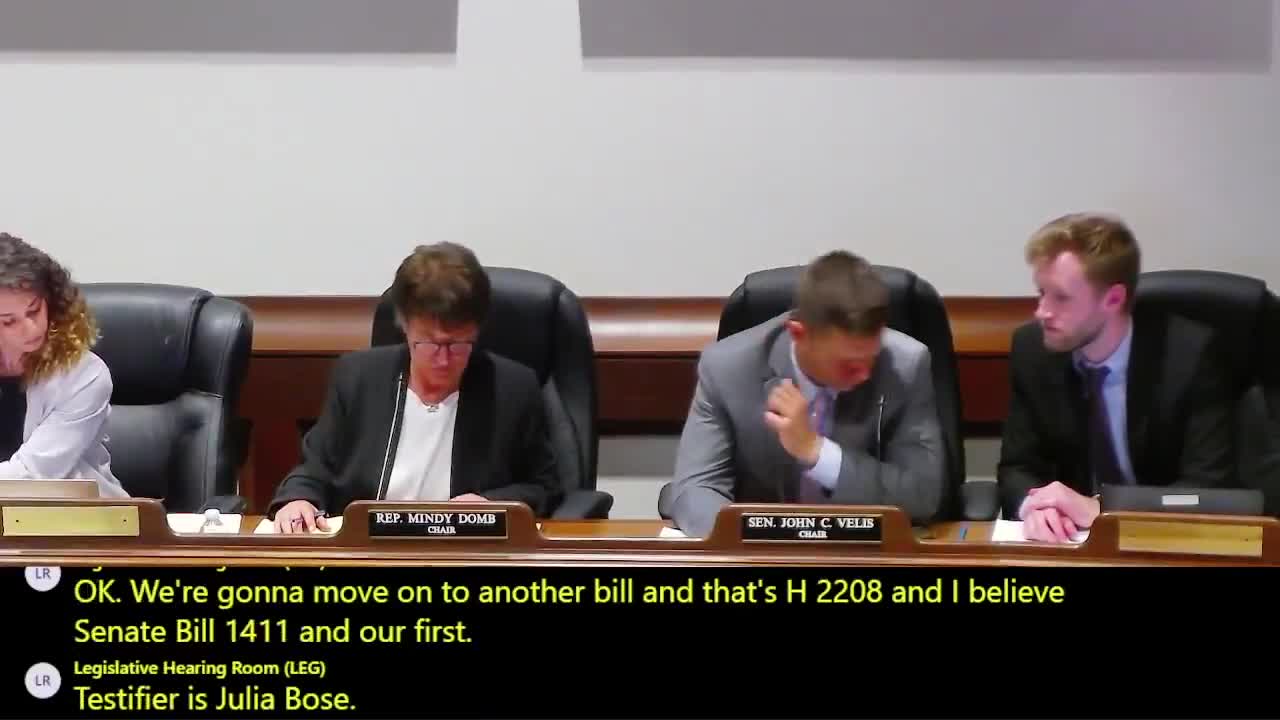
Boston — Supporters of H2208 and S1411 told the Joint Committee on Mental Health, Substance Use and Recovery that Massachusetts needs a dedicated perinatal behavioral health workforce trust fund to expand and diversify care for birthing people and new parents.
March of Dimes’ Chloe Schwartz, director of Maternal and Infant Health, said maternal mental health is a leading contributor to pregnancy‑related death and that “1 in 5 mothers and 1 in 10 fathers will experience a perinatal mood and anxiety disorder.” She told the committee a trust fund would fund grants to grow training programs and help ensure more providers are available to meet demand.
The proposal responds in part to the 2024 Omnibus Maternal Health law that now mandates more screening. “More screenings equals more diagnosis,” March of Dimes’ testimony said, and “there is not the behavioral health care workforce available to meet that need for treatment.”
Why it matters: Witnesses said screening without timely access to culturally competent treatment risks identifying problems that cannot be treated quickly. Multiple testifiers — from clinicians to parents with lived experience — said long waits, lack of specialty perinatal training, language barriers, and insurance obstacles make it difficult for many families to get treatment when they need it.
Clinicians and advocates described concrete barriers. Dr. Rose Molina, an obstetrician‑gynecologist who works with Spanish‑speaking patients, said warm handoffs to behavioral health are helpful but often end with “months” on wait lists. Doula Care’s Emily Godin said doulas identify early warning signs but are not trained clinicians and cannot replace specialized perinatal behavioral‑health providers.
Parents and advocates described the human impact. Claire Eisenberg, a member of the Chamber of Mothers, said it took her six weeks to get medication after a positive screen; Empty Arms Bereavement Support’s Jen Rogalski described paying more than $20,000 out of pocket for grief therapy after a stillbirth. Testimony repeatedly emphasized that underserved communities, particularly Black and brown parents, are less likely to access care.
Supporters also urged that funds be used to recruit people with lived experience into defined career pathways. Laura Sternberger of the Institute for Health and Recovery said the fund should create “a robust pathway for recruiting, hiring, adequately compensating, training, supporting, and advancing perinatal recovery coaches” so they can serve both as direct support to families and as system change leaders.
Rep. (filed sponsor) summarized the bill’s aims: to create a trust fund that issues grants to train and certify providers, increase culturally competent services, and diversify the workforce so care is closer to home and culturally relevant. She noted the bill was reported favorably by the committee last session but that the workforce diversity components were not adopted, and urged renewed support.
What witnesses asked for: faster training pipelines, targeted grants for providers who serve high‑need communities, reimbursement and insurance coverage that makes specialized care sustainable, and support for integrating perinatal behavioral health in primary care and OBGYN settings.
What the bill does not yet decide: committee testimony focused on needs and design; there were no formal votes at this hearing. Funding sources and program details would be set later in committee and the budget process.
Ending: Supporters asked lawmakers to give H2208/S1411 a favorable report so grant dollars can be used to expand perinatal behavioral‑health training, reduce wait times, and prioritize culturally competent services for families across the Commonwealth.