Committee hears wide-ranging animal welfare bills on dangerous dogs, tethering, breeder oversight and citations for cruel conditions
Summary
Lawmakers heard hours of testimony on a bundle of bills that would update Massachusetts law on dangerous and nuisance dogs, broaden citation authority for animal control officers, tighten tethering and shelter standards, and establish minimum oversight for commercial breeders and animal sellers.
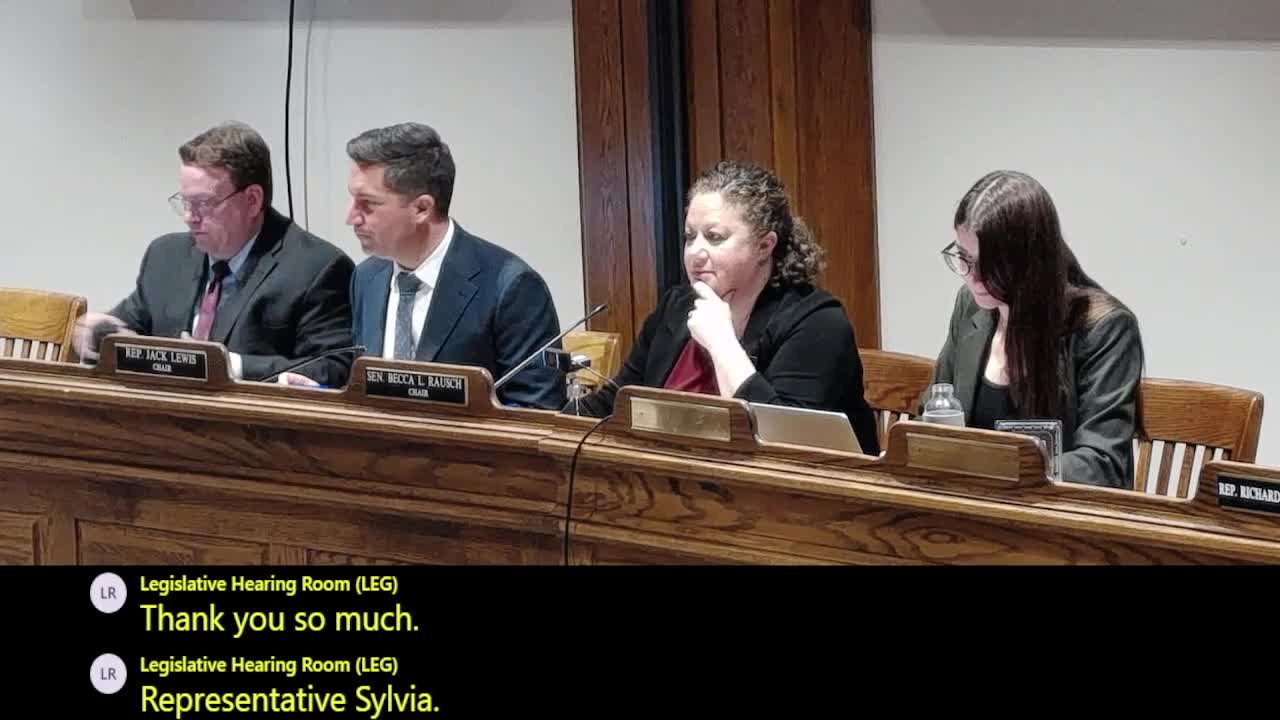
State lawmakers heard several hours of testimony on a package of bills intended to update Massachusetts statutes on animal welfare, enforcement and consumer protections, with advocates, animal control officers and breeders’ representatives outlining competing views on enforcement tools and training.
The hearing before the Joint Committee on Municipalities and Regional Government gathered supporters of bills including House 2342 and Senate 1459 (dangerous dogs), S.1190 (citations for cruel conditions), House 2253 and Senate 1458 (animal health inspections / breeder oversight), S.1460 (tethering), and House 2256 (pet-shop/consumer protections). Proponents said current law leaves municipal animal control officers limited in enforcement and that civil procedures and humane alternatives are needed; some trainers and industry groups urged caution about restricting certain training tools.
Supporters told the committee the bills fill enforcement gaps and offer more humane, practical options for municipalities. Representative Sylvia described H.2342 as “a thoughtful, necessary update to chapter 140, section 157,” and introduced Dr. Angela Jasper McManus, a veterinarian who described being attacked by an off‑leash dog and said the hearing process under current law exposed “weaknesses … especially around enforcement, humane confinement, and appeals.” Dr. McManus said the bill includes roughly “13 proposed changes” and urged legislators to permit behavioral support as an option after a dog is found dangerous rather than limiting outcomes to euthanasia, identification, or restraint.
Animal control officers said narrower enforcement powers hamper their ability to address cruelty or risky conditions except in the most serious felony cases. Megan Souza, chief animal control officer for Ipswich Regional Animal Control, and Tracy Rondinello of Thomas J. O’Connor Animal Control and Adoption Center said they support S.1190, which would authorize issuance of civil citations for cruel conditions across a broader range of species so officers can use graduated enforcement (education, citations, monitoring) instead of waiting for felony‑level proof under chapter 272. Alexis Traczynski, director of Boston Animal Control, described repeated calls involving dogs, cats, poultry and reptiles that do not meet felony thresholds but still require official follow‑up.
Several witnesses described specific local problems. Rondinello said her regional operation serves about 250,000 residents; Souza described a small farm with “more than 70 birds” kept in inadequate sheds. Jill Angela Santo, a volunteer intake worker for Sweet Paws Rescue, said rescues are seeing large groups of dogs from backyard breeders and gave institutional examples: “We took in 22 Maltese last year, 23 Pomeranians, 6 huskies … and 4 chihuahuas” from particular cases.
Proposed updates to tethering law (S.1460) drew technical testimony. Humane groups and the Humane Society affiliate urged replacing vague language with measurable standards: they proposed defining “outside and unattended” to mean exposure for more than 15 minutes, banning pinch/choke/prong collars for tethering, and setting minimum shelter area at 100 square feet per dog and weatherproof shelter flaps. Prael Patel of Humane Worlds for Animals and Stephanie Harris of the Animal Legal Defense Fund noted other states use similar measurable standards, and recommended state alignment to improve enforceability.
On breeder oversight and animal health inspections (H.2253 / S.1458), rescue organizations and municipal officials urged minimum standards and regulatory coverage for commercial breeders. Witnesses argued dog breeders are the only group of facilities that lacks routine inspection and that clearer thresholds to trigger oversight would prevent the large, poor‑condition litters placed on the market.
Not all testimony supported the same approach. The American Kennel Club’s New England representative, Stacy Ober, said consumer protections are important but warned that breed, size and working roles make a uniform 100‑square‑foot shelter requirement impractical, and argued that some training or husbandry limitations might unintentionally affect working breeds. Several professional dog trainers and training organizations urged that bills avoid banning particular training tools (electronic collars, prong collars) outright, saying those tools, used by trained professionals, can keep dogs in homes and public spaces and in some cases prevent euthanasia.
Municipal and enforcement groups urged stronger statutory tools and funding. Emmanuel Masiel, director of animal control for New Bedford and chair of the Animal Control Officers Association of Massachusetts, said the Commonwealth’s patchwork of local authority leads cities to shoulder costs when facilities or districts fail. Several speakers asked for the commonwealth to provide clearer statutory authority, training and, in some proposals, a funding mechanism (for example, diverting certain fines to a Massachusetts animal fund to support spay/neuter and veterinary care).
The committee did not take up votes. Witnesses submitted written testimony and committee members asked for state‑by‑state comparisons and specific draft language for measurable tethering and shelter standards.
The hearing record includes extensive technical and competing policy arguments: animal welfare groups pressed for enforceable minimums and broader citation authority for non‑dog species; municipal officers and rescuers described operational strains from large seizure or intake events; and breeders’ representatives and some trainers urged restraint on any ban of specific training tools and asked for more nuance in statutory language.