Get Full Government Meeting Transcripts, Videos, & Alerts Forever!
Get email alerts on the Earned Sick Time Rail topic
No spam. Unsubscribe anytime.
Railroad workers, unions and a senator press for state action on earned sick time for commuter rail
Summary
Senator John Keenan and multiple railroad and transit workers urged the committee to extend Massachusetts' earned sick time standards to rail and transit employers, including private contractors, citing a 14-day unpaid waiting anomaly and public-health risks.
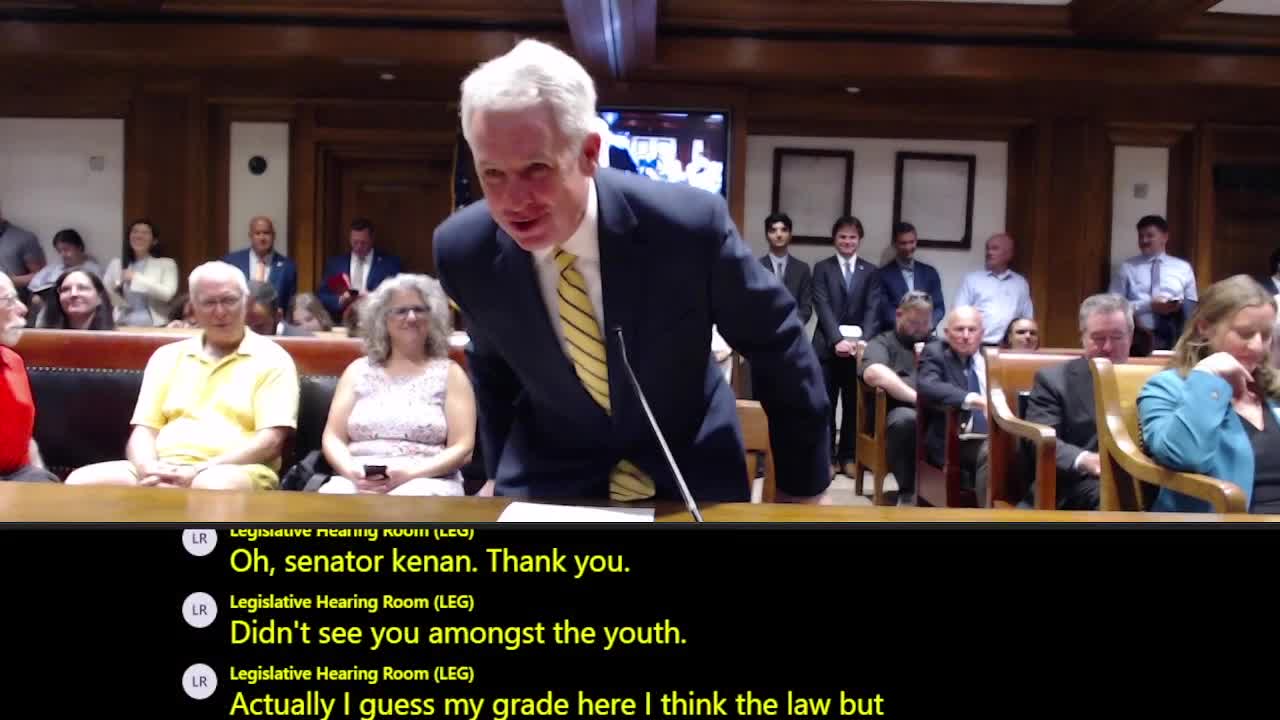
Senator John Keenan told the Joint Committee on Labor and Workforce Development that railroad and transit workers are excluded from earned sick-time protections and urged action to bring them into parity with other workers in Massachusetts.
Keenan described Senate 1342 as “an act relative to railroad workers earned sick time,” saying current rules require rail workers to take 14 days off without pay before becoming eligible for minimum sick time benefits under the Railroad Retirement System. “It really is quite incredible that you have to take 14 days off, and without pay, before you're eligible to get that benefit,” Keenan said. He asked the committee to report the bill favorably.
Labor witnesses representing Teamsters, SMART/TD and commuter-rail conductors recounted similar concerns. Daniel Cadigan, political director for the Teamsters Rail Conference and a commuter-rail locomotive engineer, said the bill would close a loophole created when commuter rail services were privatized and contractors declined to follow the earned-sick-time law. “This legislation creates an avenue for the Commonwealth to build in... earned sick time law into RFPs that affect things like the commuter rail,” Cadigan said.
Joshua Cohen, a conductor for Keolis commuter services, said railroad workers kept the system running during the COVID-19 pandemic and still lack the forty hours of accrued sick time available to most other Massachusetts employees. “We're not asking for more than what is owed to us under the earned sick time law, only that we are afforded the same amenities as other workers in the Commonwealth,” Cohen said.
Supporters argued that exempting rail employees creates public-health risks when sick frontline workers have an incentive to work while ill. Testimony referenced previous legal actions and court rulings related to whether railroad employers must comply with state earned-sick-time rules.
Ending: Sponsors requested favorable consideration to close the compliance gap and to require contractors who operate public transit under state contracts to meet earned-sick-time standards. No committee vote was recorded at the hearing.