Get Full Government Meeting Transcripts, Videos, & Alerts Forever!
Get email alerts on the Homelessness Criminalization topic
No spam. Unsubscribe anytime.
Advocates urge committee to bar fines, sweeps and other sanctions for unsheltered people
Summary
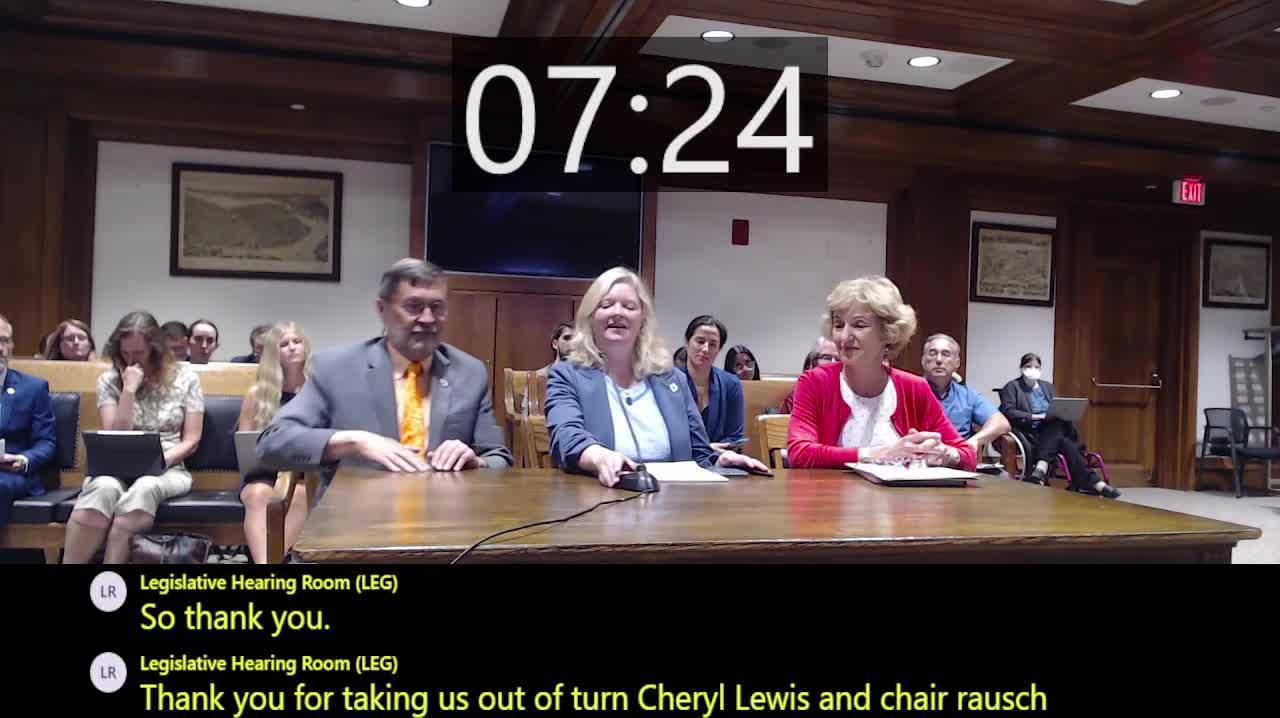
Witnesses, including advocates and service providers, urged the committee to report favorably on H.2261 to prohibit municipalities from imposing fines or other penalties on people experiencing homelessness for camping, sleeping or trespassing on public property when shelter is unavailable.
Advocates and service providers urged the Joint Committee on Municipalities and Regional Government to report favorably on House Bill 2261, a proposal that would prohibit cities and towns from imposing fines and other sanctions on people experiencing homelessness for sleeping, camping or trespassing on public property when no safe shelter is available. Lisa Fields, newly sworn state representative, said criminalizing homelessness exacerbates public-health problems and cited a Johns Hopkins public‑health note concluding criminalization does not improve safety or health. Joyce Tavon of the Massachusetts Housing and Shelter Alliance said unsheltered homelessness has increased, including in gateway cities, and that last year’s U.S. Supreme Court decision in Grants Pass v. Johnson has been followed by more municipal encampment bans. Pamela Schwartz of the Western Massachusetts Network to End Homelessness described regional counts showing rising unsheltered homelessness in the four Western counties and rising rents; she said shelters are full and criminal penalties impose additional barriers without addressing root causes. Kelly Turley of the Massachusetts Coalition for the Homeless said the bill is brief but would have outsized impact by interrupting criminalization and that national research shows fines, tickets, sweeps and jailings are counterproductive. Witnesses asked the committee to advance the bill quickly and to pair it with other investments — shelter capacity and housing-first solutions — that advocates say are needed to reduce homelessness rather than punish people for it. The committee did not take a vote.