Get Full Government Meeting Transcripts, Videos, & Alerts Forever!
Get email alerts on the Public Employee Strike Rights topic
No spam. Unsubscribe anytime.
Supporters and municipal officials clash over restoring right to strike for some public employees
Summary
The Joint Committee heard dueling testimony on bills (H.2078 / S.1311) to restore most public-sector employees' right to strike after a six-month bargaining period; labor and educators pushed for the change while the Massachusetts Municipal Association opposed it, citing legal and fiscal risks to cities and towns.
Union leaders, teachers and public employees urged the Joint Committee on Labor and Workforce Development to restore a right to strike for many public-sector workers, while municipal officials warned of disruption to essential services.
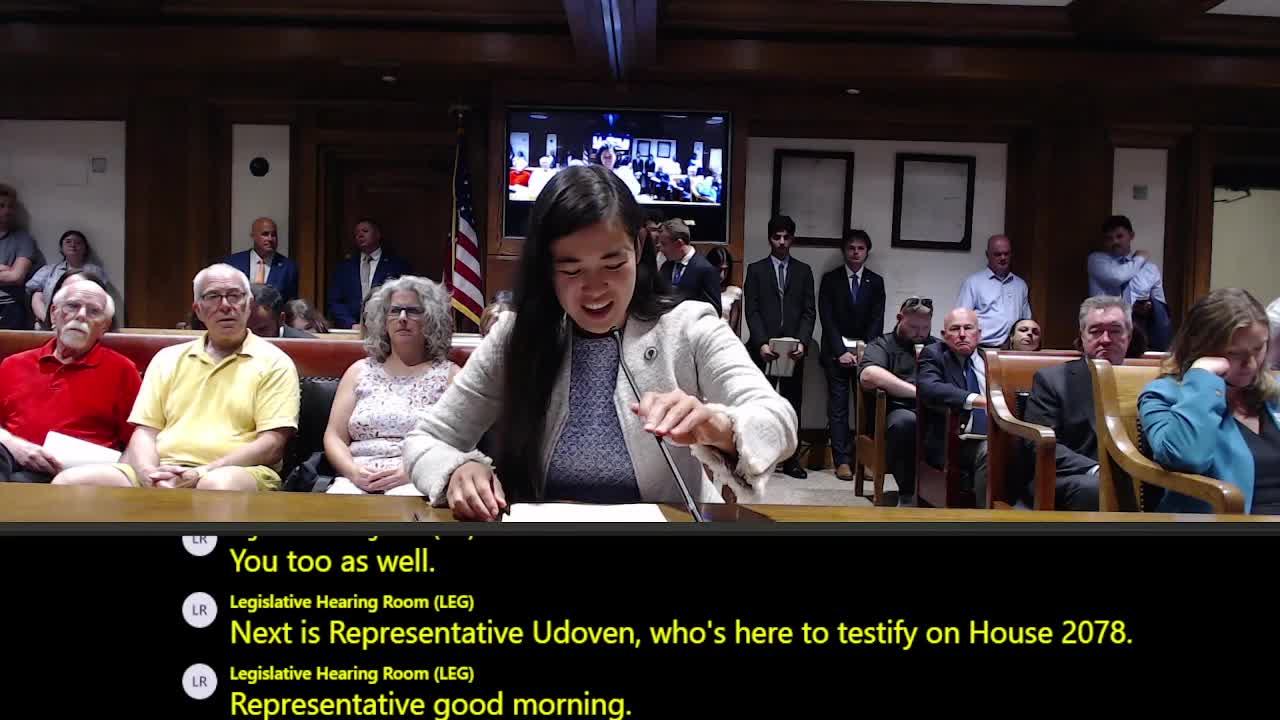
Representative who spoke in support described H.2078 / S.1311 as restoring the ability to withhold labor as a last resort after six months of good-faith bargaining. “This bill is really about allowing for good faith collective bargaining between labor and management,” Representative Madre Decker said, recounting her personal family history in unions and noting that a six-month negotiating period “is plenty of time for parties to bargain for a three-year contract.”
Members of education unions, including Jessica Tang of AFT Massachusetts and classroom teachers who testified, emphasized that the right to strike has been an instrument to address chronic staffing, pay and student-support shortfalls. “We fought for counselors, for interventionists, smaller class sizes,” Kevin speakers and teachers testified. Several educators described strikes that produced wage gains for paraprofessionals and contract language for student services.
By contrast, David Kaufman, legislative director of the Massachusetts Municipal Association (MMA), told the committee the MMA opposes restoring the right to strike for public employees. He cited existing state law that bars public employees from striking and said illegal strikes have already harmed students and communities. “The Commonwealth continues to contend with a growing and concerning trend of illegal teacher strikes, which cause disruption for students, families, and instill division in our communities,” Kaufman said. The MMA also noted revenue constraints under Proposition 2½ and warned municipalities have limited tools to absorb wage increases driven by strikes.
Other proponent testimony came from public-sector unions and community labor groups. Testimony included personal accounts from teachers, school staff and municipal employees who said strikes were used only after prolonged bargaining impasses and produced gains in pay and services. “When buildings are unsafe, when educators can't pay their bills...our best leverage to bring our employers back to the table is withholding our labor,” former union organizer Bonnie Jin told the committee.
The committee heard no formal motions or votes. Supporters urged lawmakers to act on the bills, arguing legalization creates a regulated, transparent framework for strikes and would reduce illegal walkouts; opponents argued legalization would exacerbate service disruptions and fiscal stress for municipalities.
Ending: The hearing presented clear lines of support and opposition. Proponents asked for a favorable report; the MMA asked the committee to reject H.2078 / S.1311 or to consider safeguards for municipal budgets and essential services.