Get Full Government Meeting Transcripts, Videos, & Alerts Forever!
Get email alerts on the Heat Safety topic
No spam. Unsubscribe anytime.
Lawmakers hear bill to require heat‑illness prevention plans for public‑sector outdoor workers
Summary
Senate bill S.1367 (and companion measures) would require employers in the public sector to adopt written heat‑illness prevention plans with potable water, shade, rest breaks and training; medical and public health experts joined testimony supporting the measure.
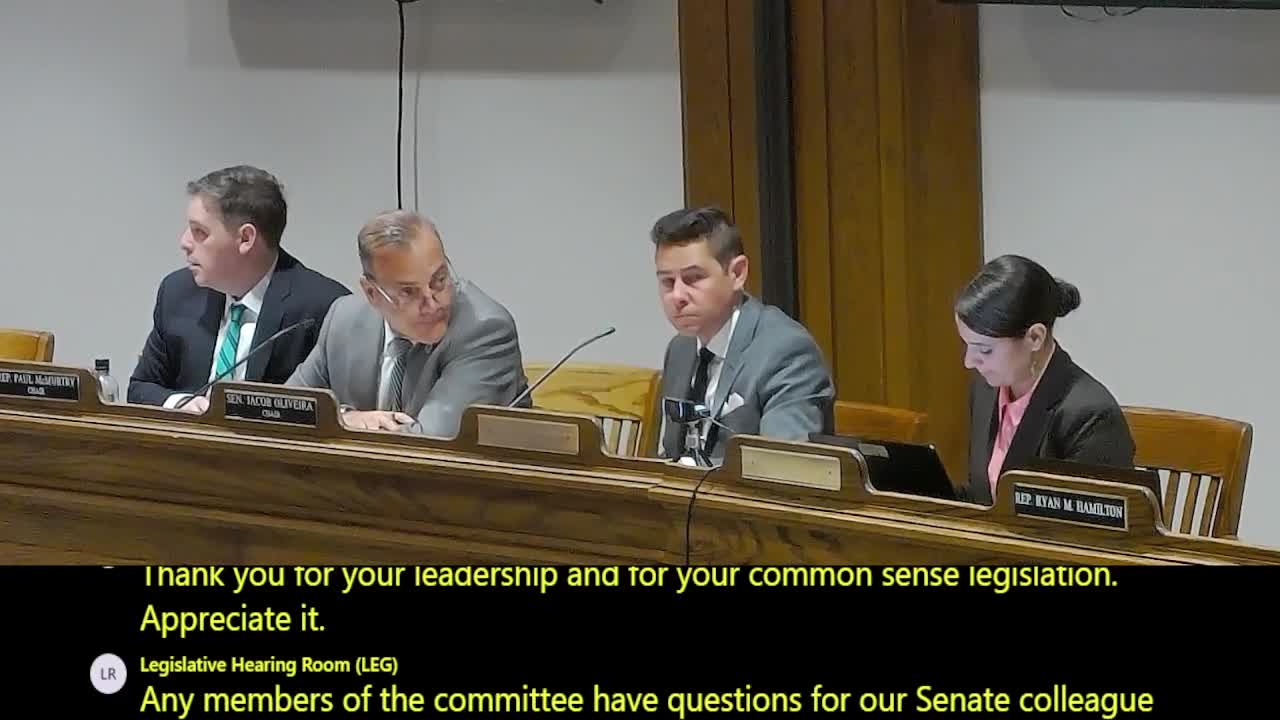
Boston — Medical experts, legislators and union advocates urged the Joint Committee on Labor and Workforce Development on June 18 to pass legislation to protect outdoor public‑sector workers from heat‑related illness.
Sen. Rausch testified in favor of S.1367, “An Act to Prevent Heat‑Related Illness in Public Sector Outdoor Workers,” arguing that climate change is increasing the frequency of extreme heat and that many municipal and state workers have no protections comparable to draft federal OSHA rules. The bill would require written heat‑illness prevention plans, access to potable water, shade and emergency response procedures, and mandatory training for supervisors and workers.
Dr. Roger Luckham, a physician and member of the Massachusetts Medical Society committee on occupational and environmental health, told the committee the federal OSHA standard is still under review and may take years to finalize. He said states should act now and that a legislative standard would ensure timely and durable protections. Samantha Hall, a doctoral candidate at Boston University School of Public Health who researches heat and kidney injury, testified that heat exposure increases risk for acute kidney injury and that cumulative heat exposures pose serious health risks.
Supporters said the bill could be implemented faster for public employers and would put Massachusetts alongside states such as California, Colorado, Maryland, Minnesota, Nevada, Oregon and Washington that have heat protections. Senator Rausch and other lawmakers asked the committee to report the bill favorably.
Opponents did not mount a large public case at the hearing; business representatives who testified on related temperature proposals emphasized concerns about prescriptive requirements for small employers.
Ending: Committee members took no final action; advocates said they will provide technical input to the committee and urged a favorable report.