Get Full Government Meeting Transcripts, Videos, & Alerts Forever!
Get email alerts on the Paid Prenatal Leave topic
No spam. Unsubscribe anytime.
Health Advocates and Parents Urge Committee to Back Paid Prenatal Leave Bill
Summary
A range of maternal‑health advocates, parents and clinicians told the Joint Committee that paid time off for prenatal appointments would improve maternal and infant outcomes and ease economic burdens that keep pregnant people from attending recommended care.
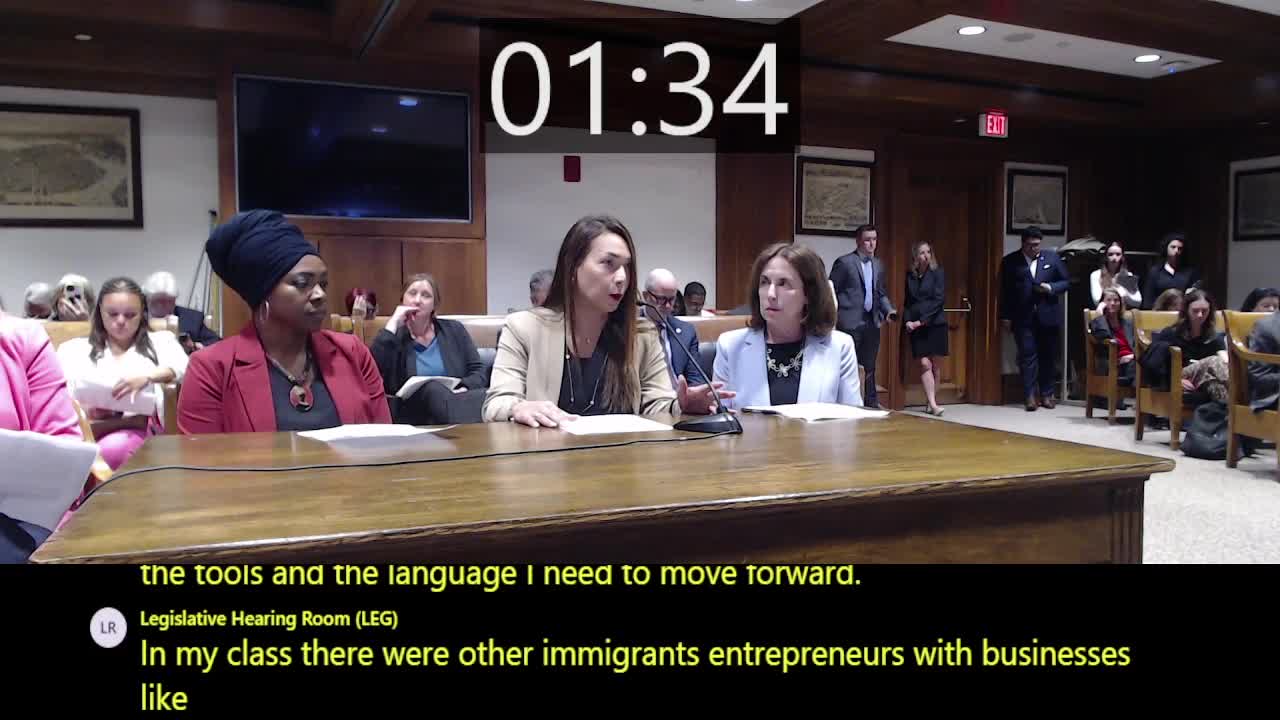
Maternal‑health advocates, parents and clinicians told the Joint Committee on Labor and Workforce Development that paid prenatal leave would help more people access recommended care and could prevent complications that lead to poor birth outcomes.
"This bill with 24 hours of paid prenatal leave for the birthing parent and 10 hours for their partner would give more families the chance to access the care they need without the added burden of lost wages or missed work," said Jen Rogalski of a bereavement‑support organization as she testified in support of Senate 1361.
Witnesses including March of Dimes‑Boston, public‑health professionals and people who had experienced high‑risk pregnancies described how prenatal visits detect problems such as preeclampsia or fetal growth issues that require timely intervention. Chloe Schwartz, director of maternal and infant health for March of Dimes Boston, told the committee that the United States has some of the poorest maternal and infant outcomes among developed nations and that missed prenatal care is one modifiable contributor.
Multiple testifiers described the practical scheduling challenge: routine prenatal care requires many appointments — monthly, then biweekly, then weekly — and for hourly or low‑leave workers the time off means lost pay or shortchanging future maternity leave. Several speakers said that lack of paid time forces some to skip appointments or delay care. Personal accounts ranged from women who could rely on supportive employers to others who depended on goodwill, rides and community help to attend scans and follow‑ups.
Public‑health witnesses framed the bill as preventive and cost‑effective: early detection and management of complications reduces emergency interventions and downstream health costs, they argued. Chloe Schwartz and other speakers recommended including partners in the leave to ensure support during high‑risk or complex pregnancies.
Committee members did not vote on the measure during the hearing. Witnesses asked the committee for a favorable report and urged further review of program design and employer compliance details.
Ending: Supporters said paid prenatal leave would remove a predictable barrier to care, strengthen prenatal monitoring for high‑risk pregnancies and reduce the choice between health and income for working families.