Get Full Government Meeting Transcripts, Videos, & Alerts Forever!
Get email alerts on the Workers Compensation topic
No spam. Unsubscribe anytime.
Committee hears broad push to strengthen protections and enforcement for injured workers
Summary
Lawmakers and a broad coalition of labor, legal and immigrant-advocacy groups urged the Joint Committee on Labor and Workforce Development to report favorably on legislation (H.2151/S.1310) that would expand anti‑retaliation protections for injured workers and give the attorney general greater enforcement authority.
Boston — Lawmakers and a wide coalition of labor unions, legal services groups and immigrant advocates urged the Joint Committee on Labor and Workforce Development on June 18 to advance legislation aimed at strengthening protections for workers who report injuries or seek workers’ compensation.
Supporters said H.2151/S.1310, titled “An Act to Protect Injured Workers,” would narrow gaps that allow employers to retaliate — including threats, coerced misstatements to medical providers and firing — and would give the attorney general a more active enforcement role.
The bill would, among other measures described by supporters, create a rebuttable presumption of retaliation when adverse employment action follows within 90 days of an employee exercising rights under the workers’ compensation law, expand the forms of retaliation covered, require multilingual notice of rights, and provide additional remedies for workers harmed by employer misconduct.
“Retaliation is rampant,” Kevin Brusso, secretary‑treasurer of the Mass. AFL‑CIO, told the committee. He said employers sometimes threaten workers with immigration enforcement, delay medical care and misclassify employees to deny benefits. Audrey Richardson of Greater Boston Legal Services said the bill is “narrowly crafted to address a specific weakness” and noted the language has been unchanged across multiple sessions and has broad legislative support.
Workers, worker‑center organizers and attorneys described recurring patterns: employees told to lie about how an injury occurred; employers sending injured workers home without medical care; and threats to call immigration authorities when immigrants seek benefits. Stacy Sebasic, a workers’ compensation attorney, recounted several client stories in which employers allegedly prevented or delayed access to care, or pressured workers to accept improper explanations for injuries.
Advocates framed the bill as remedying practical enforcement gaps rather than imposing broad new burdens on compliant employers. “We are not talking about the good actors,” Richardson said. “This is about bad actors who try to gain a competitive advantage and have no qualms about threatening, lying, or actually retaliating against employees when they’ve been hurt.”
Supporters urged the committee to move the bill quickly, citing years of testimony from injured workers and recurring delays in relief. Several worker centers and legal services organizations testified they routinely see injured workers who do not file claims because they fear employer retaliation.
Opponents did not take a central role in the hearing on this bill, but trade groups and business representatives appearing on other agenda items warned generally about potential cost and administrative burdens of workplace regulation.
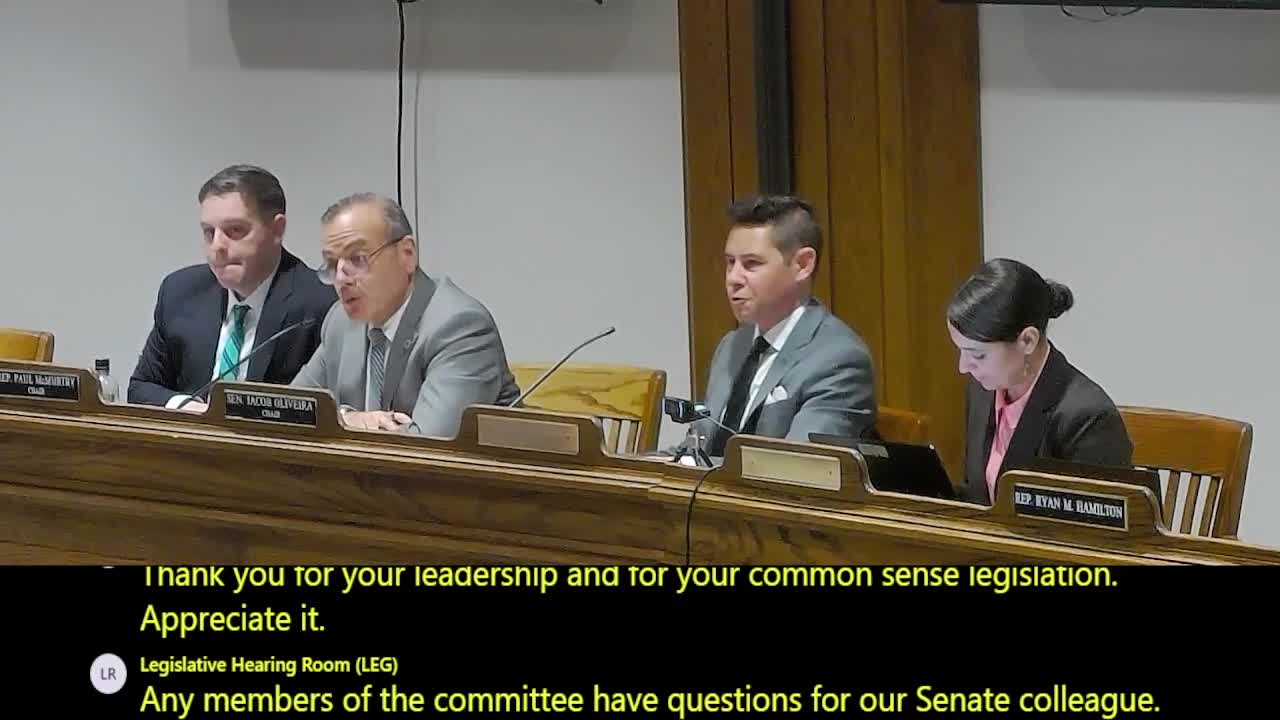
The hearing produced no formal vote. Committee staff and members asked questions about scope and implementation; witnesses said the bill is narrowly targeted at retaliation and access to remedies, and that local enforcement mechanisms would complement, not replace, existing state agencies.
Supporters asked the committee to report H.2151/S.1310 favorably so the bill can advance for further consideration.
Ending: The committee did not act on the measure during the hearing. Proponents said they will provide additional technical fixes if requested and asked the committee to report the bill favorably so it can be considered on the floor.