Get Full Government Meeting Transcripts, Videos, & Alerts Forever!
Get email alerts on the Psilocybin Policy topic
No spam. Unsubscribe anytime.
Doctors, advocates and patients press committee for cautious psilocybin access measures
Summary
Psychiatry groups, patients and advocacy organizations testified in favor of narrowly tailored bills to expand access to psilocybin for therapeutic uses and to dismiss simple‑possession charges under specified safety conditions; opponents warned of public‑health risks.
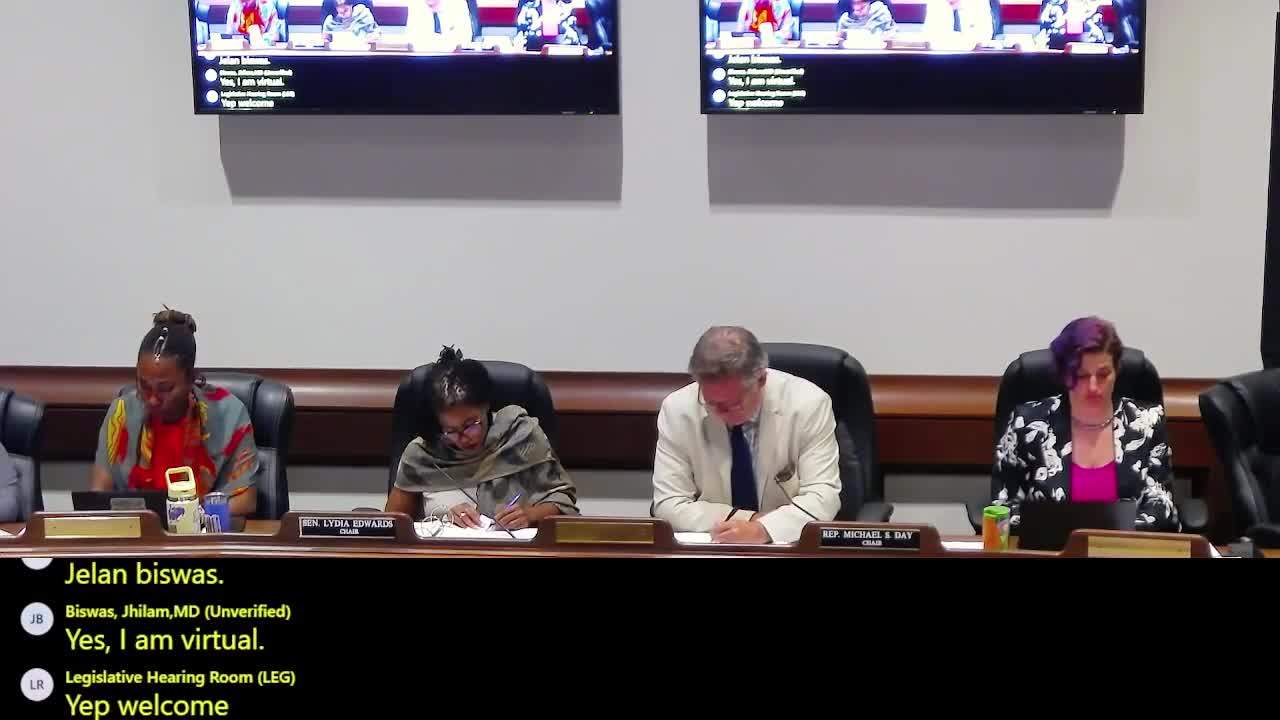
The Joint Committee considered several proposals concerning psilocybin possession, therapeutic access and tasking a study of equitable access. Speakers included psychiatrists and medical researchers who urged a limited, cautious approach. Dr. Jelam Biswas of the Massachusetts Psychiatric Society said the society supports narrowly tailored bills that allow dismissal of simple possession if safety criteria are met (age 21+, not operating a vehicle, not endangering children), and emphasized the organization opposed the broader, last‑year ballot initiative. “These updates are so important,” said Dr. Biswas, arguing for balance between research and safeguards. Several patients and advocates described clinical or near‑clinical benefits they reported from psilocybin for cluster headaches, PTSD and other conditions. Joseph McKay, a retired FDNY firefighter, described his years of treatment‑resistant cluster headaches and said limited psilocybin use reduced attacks. Advocates argued that narrowly framed statutory measures could create legal options for patients who have exhausted other therapies. Opponents raised safety concerns including driving safety, risks to adolescents, emergency‑room visits and potential for psychosis among vulnerable people. Caroline Alcott Cunningham testified that broad, unregulated access could increase DUIs, child exposures and ER visits, and cited the Massachusetts Medical Society’s caution about insufficient evidence outside clinical trials. Witnesses urged the committee to consider targeted pilot programs, clinical oversight, patient screening and clear safety rules if any statutory change proceeds. The committee accepted testimony and invited written follow‑up.