Get Full Government Meeting Transcripts, Videos, & Alerts Forever!
Get email alerts on the Home Sharing topic
No spam. Unsubscribe anytime.
Supporters and senior homeowners debate home‑sharing bill’s protections and regulations
Summary
Proponents said home sharing could unlock spare bedrooms and help seniors age in place; other stakeholders urged careful attention to tenancy protections, insurance and regulatory details before creating a state program.
Advocates for expanding low‑cost housing options urged the Joint Committee on Housing to approve legislation that would create a state framework for home sharing, while some long‑time home sharers and homeowners raised concerns about regulatory details.
Overview: H1473/S992 would establish a state program to match homeowners with compatible home sharers, set a required home sharing agreement, require insurance coverage that contemplates home sharing, and create a Home Sharing Opportunity Relief Fund funded by program fees for emergency assistance.
Proponents: Elise Cherry, CEO of BlueHub Capital, and Mike Kriesberg of Abundant Housing Massachusetts said home sharing could convert underused bedrooms into affordable options and help seniors remain in their homes. Cherry described an inventory of “over 500,000 spare bedrooms” statewide and said even if a small share were used, the policy could meaningfully expand supply. Kriesberg noted established programs in Vermont, Maine and Oregon as precedent.
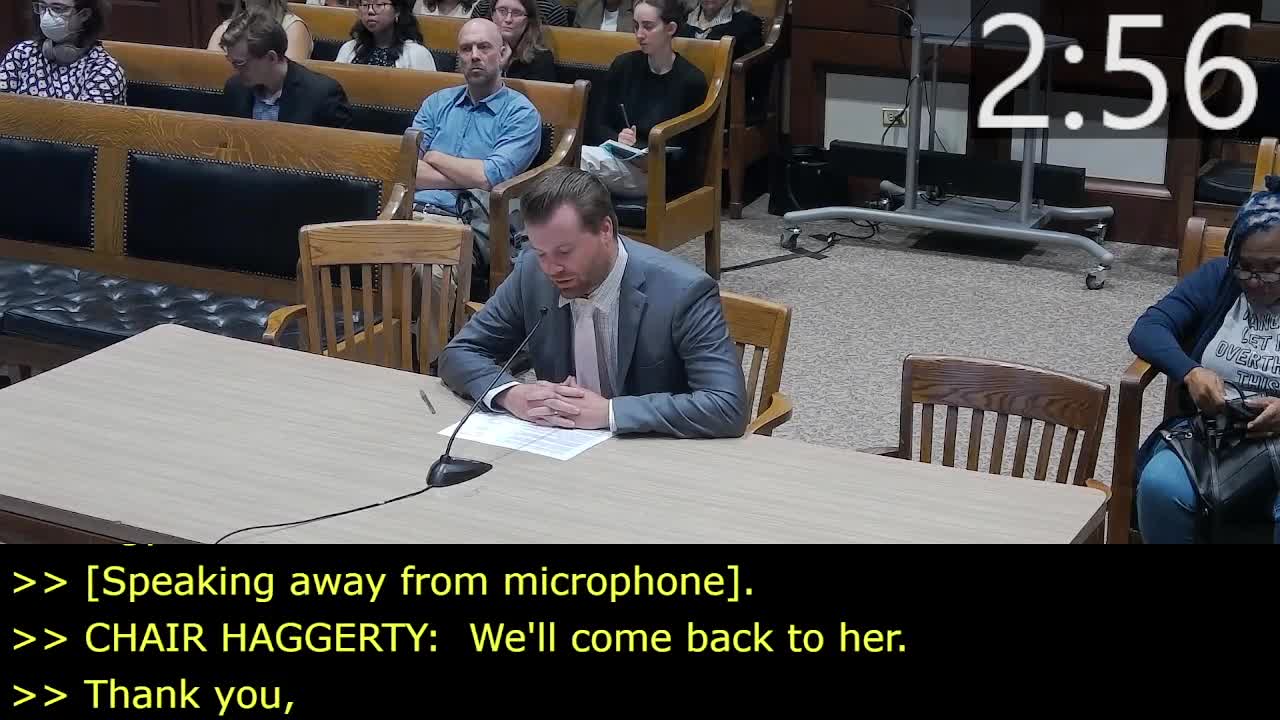
Concerns and unanswered questions: Ian Makowitz, who said he has arranged home shares independently for 40 years, urged caution on statutory mandates. He raised specific worries about mandated thermostat settings cited under state safety code (MGL c.105, §5), extra insurance requirements, and how the new regime would interact with accessory dwelling unit (ADU) rules. Makowitz also opposed language that might reintroduce “tenant” terminology that could trigger landlord‑tenant statutory processes instead of preserving the informal home‑share model.
Policy details requested: Critics asked the committee to clarify who would set below‑market rates, how trial periods and dispute resolution would operate, whether homeowners would lose homeowner protections, and how the program would address landlord‑tenant law interactions and insurance coverage.
Next steps: Supporters asked for committee approval with regulatory implementation delegated to the Executive Office of Housing and Livable Communities; opponents asked for statutory refinements and for written guidance from sponsors. The committee collected written testimony and did not vote during the hearing.