Patients and pharmacists press for PBM reform and rebate transparency; industry urges caution
Loading...
Summary
Patients, pharmacists and health‑care advocates urged the committee to pass PBM reform laws to pass rebates through to patients, ban spread pricing and create a duty of care; trade groups and PBM representatives warned the changes could raise costs and urged the legislature to wait for state studies.
Patients with chronic and life‑threatening conditions, community pharmacists and health‑care advocates testified that reforms to pharmacy benefit managers (PBMs) are needed so negotiated rebates and discounts reach patients at the point of sale.
"PBMs are powerful middlemen in the health care supply chain. They impact patients, providers, and local pharmacies," said Jody Quinn, a Plymouth resident living with psoriasis and psoriatic arthritis, who described repeated denials and delays that she said caused pain and permanent joint damage.
Proposals before the committee — including House Bill 1234 and companion measures — would require PBMs to pass a large share of rebates directly to patients at the pharmacy counter, ban spread pricing, establish a duty of care for PBMs and increase auditing and contract transparency. Supporters argued those changes would lower out‑of‑pocket costs and reduce incentive for PBMs to favor higher‑priced drugs that carry larger rebates.
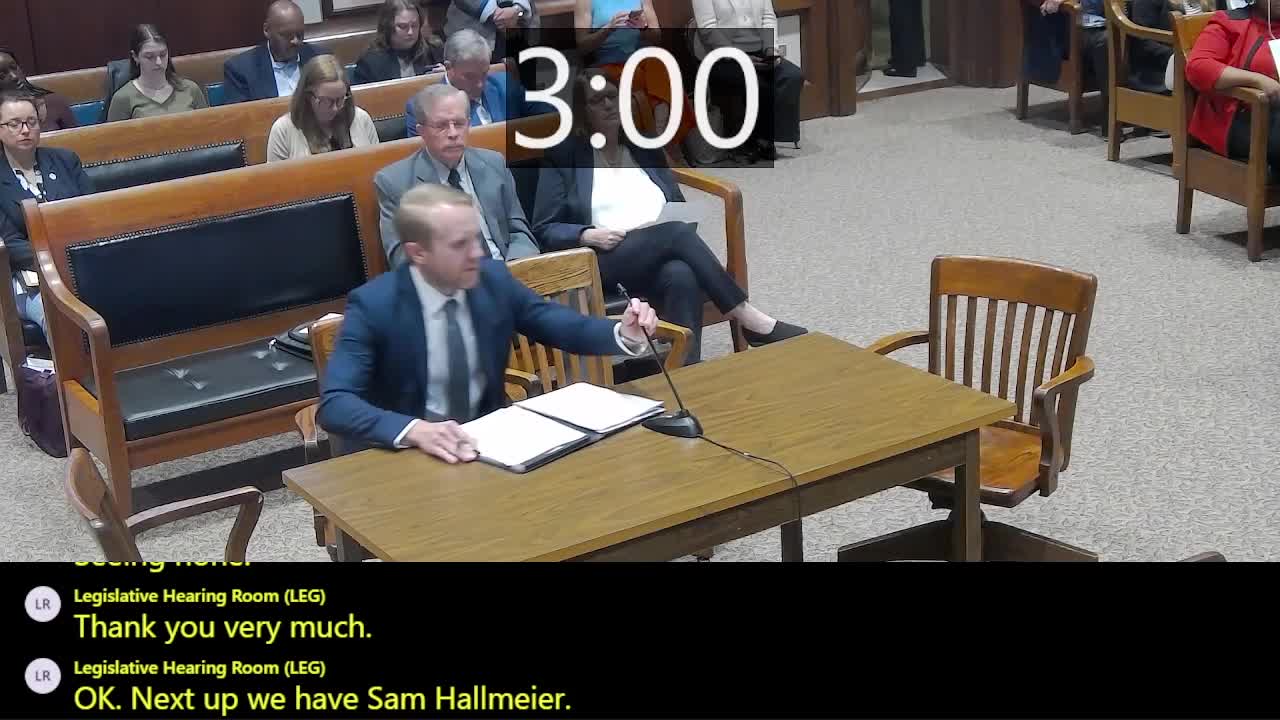
Industry response and caution: Sam Hallmeier, senior director of state affairs at the Pharmaceutical Care Management Association, told the committee PBMs exist to reduce costs and that health plans, not PBMs, choose benefit designs and networks. "We believe that plan sponsors should be able to design the benefits to the needs of their beneficiaries instead of a one‑size‑fits‑all plan design," Hallmeier said, and asked the committee to await analysis by the Health Policy Commission and CHIA required under last year’s PACT Act.
Pharmacists and independent pharmacy advocates told the committee that PBMs’ business practices have squeezed community pharmacies. Todd Brown, executive director of the Massachusetts Independent Pharmacists Association, cited federal reports showing a large disparity in gross margins between PBMs and retail pharmacies and urged passage of bills such as H.1157 and S.831 to ensure fair reimbursement and to prohibit spread pricing and pharmacy steering.
Patient testimony and examples: Several patients described high out‑of‑pocket costs and the harms of delayed access. Jessica Von Goer, a 50‑year type‑1 diabetes patient, said that PBMs were "profiting off my disease" and urged passage of bills that would ensure patients pay the lowest negotiated price rather than an inflated list price. Paul Madden, a diabetes educator, testified that reform would improve health outcomes and reduce costs associated with complications such as kidney disease and amputations.
Practical effects and evidence: Supporters pointed to studies and state experiences showing that passing rebates to patients and restricting spread pricing can lower patient costs. Opponents said some proposals could limit plan sponsors’ tools for cost management, raise premiums and reduce access to specialty pharmacies that handle complex therapies. The Massachusetts Association of Health Plans said imposing specialty‑pharmacy mandates could raise pharmacy spend by an estimated 3% and materially increase costs for insurers and consumers.
Next steps: Witnesses urged the committee to balance patient access and affordability goals with oversight and data collection. PBM trade groups recommended relying on the ongoing HPC/CHIA reviews; patient groups and pharmacists urged immediate statutory protections to change how rebates are shared and how PBMs are audited.