
Johnson County directs staff to return options to expand 2026 property tax relief pilot
Get AI-powered insights, summaries, and transcripts
Subscribe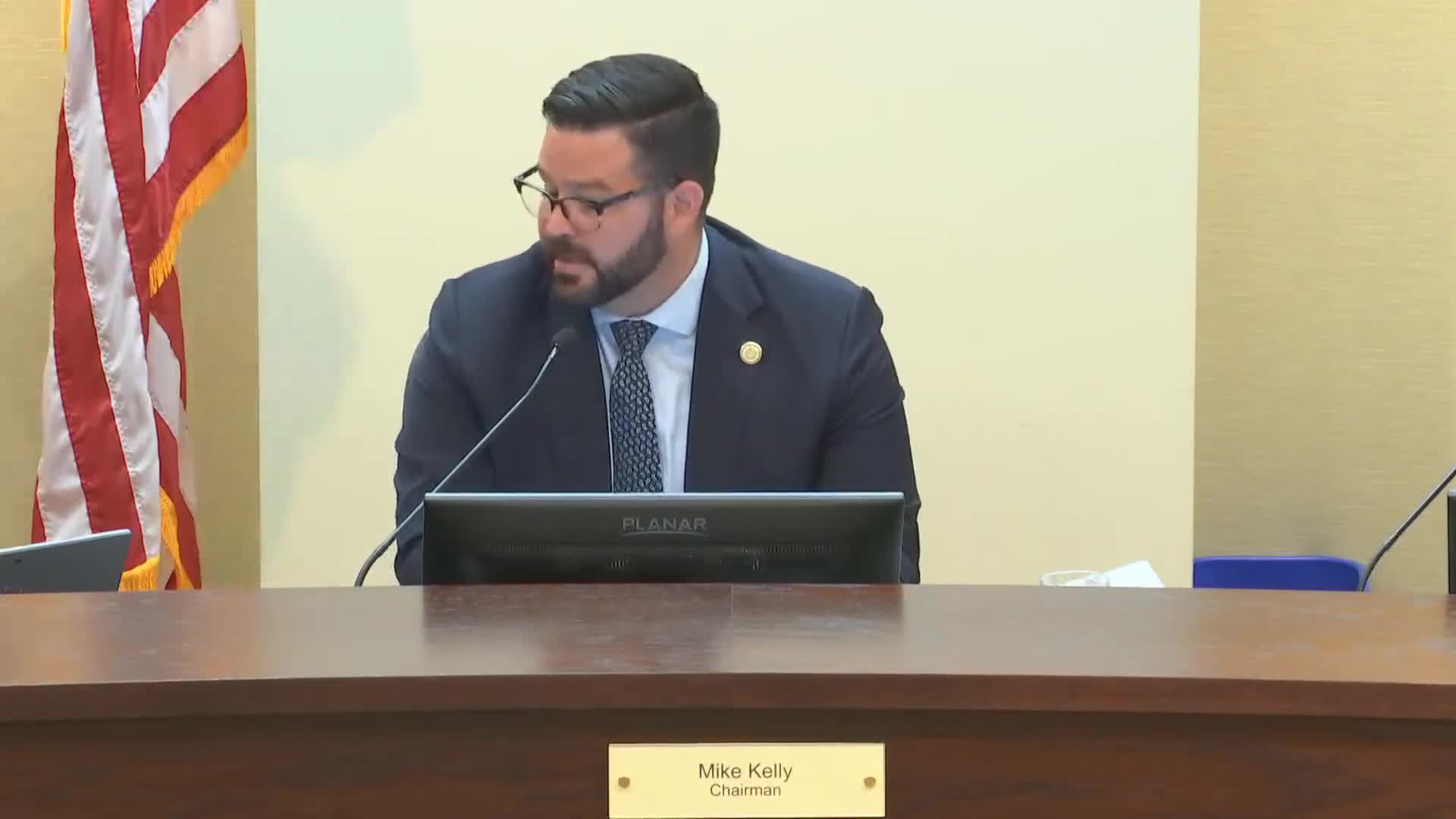
Summary
After reviewing the second-year results of a county pilot that rebated roughly $184,700 to qualifying homeowners, commissioners directed staff to return with an agenda-review item that keeps the current program and also models alternatives including raising income and home-value limits, combining both changes and removing the age cap.
Johnson County commissioners discussed the county’s 2025 property tax relief pilot and on July 24, 2025 voted to direct staff to return to agenda review with the current program and a set of modeled alternatives for 2026. The board’s direction asks staff to show the fiscal and eligibility impacts of raising income and appraised-value thresholds, raising both together, and removing the age limitation.
Why it matters: the pilot program targets low-income, owner-occupied resident homeowners — primarily seniors and disabled veterans — and is intended as a stopgap while the county continues to push for broader state-level reforms. Commissioners said they want data to judge whether modest changes would reach more vulnerable residents without exceeding the pilot appropriation.
Tom Franzen, director of Treasury, Taxation and Vehicles, recapped the 2025 pilot and said the county has paid $184,731.58 in rebates from an initial one-time allocation of $500,000. “Currently, we stand with $271,703.82 of available funding in this program,” Franzen said. He described the program’s eligibility as owner-occupied, year-round residences where household income met HUD “very low income” limits (the program requires applicants be age 65 or older or be a disabled veteran), and the county cap on assessed value was $384,600 in 2025.
Franzen and staff summarized outreach and results: the county received 454 applications in 2025 and determined 359 were eligible. Of 95 ineligible applications, 79 were over the program’s income limits, five exceeded the appraisal cap, six did not meet the age requirement and five were otherwise ineligible. The average rebate paid in 2025 was $514.57. Staff also reported about 446 inquiries to the office and said targeted direct mail reached roughly 3,000 addresses believed to be potentially eligible.
Franzen recommended the county continue to press the Kansas Legislature for a statewide, structural solution to property tax relief — because the state maintains valuation and income data and administers broader programs — while continuing the county pilot at current criteria for 2026. He said an alternative worth modeling would be increasing the county appraisal threshold from $384,600 to $500,000 (staff estimated that would increase eligibility by roughly 44% and the fiscal impact by about $266,000 based on 2025 data). Another modeled alternative would raise the income threshold from HUD very-low to HUD low-income limits; staff estimated that change would increase payouts to about $300,000 and raise eligible applicants to roughly 600 (based on 2025 application patterns).
Commissioners discussed other possible changes staff could model, including removing the age-65 requirement so that younger low-income homeowners and nonveteran disabled residents could apply. Franzen cautioned that verifying disability can add administrative complexity and health-data protections. Commissioner Myers and others stated support for modeling a no-age option to see the scale of additional applicants before deciding. Board members also asked staff to present the modeled alternatives both with and without the age cap so the board could compare the fiscal effects.
After discussion, the board voted (6-0; Chair Kelly had stepped out) to direct staff to return an agenda-review item that: (1) continues the pilot at current 2025 criteria as a baseline; and (2) includes modeled options for raising income limits, raising appraised-value limits, raising both together, and eliminating the age restriction. The motion was seconded by Commissioner Allen Brand and approved by roll call (Commissioners Fast, Myers, Brewer, Hanslick, Ashcraft, Allen Brand voting aye). Staff said it will attempt to provide the requested matrix of permutations (age/no-age crossed with the other threshold changes) for board review.
Next steps: staff will prepare an agenda-review item and supporting data modeling showing the fiscal impact and estimated eligible population for each alternative. Commissioners signaled the board will consider those options at a later meeting and may decide whether to continue funding the pilot, modify eligibility, or pursue additional budget authority.