Get Full Government Meeting Transcripts, Videos, & Alerts Forever!
Get email alerts on the MVP Program topic
No spam. Unsubscribe anytime.
Municipal Vulnerability Preparedness program draws calls for larger authorization; advocates push $500 million
Summary
Stakeholders and municipal officials urged the committee to raise the bill’s MVP authorization from $315 million to $500 million, saying current demand and federal cuts leave communities undersupplied.
A large group of municipal officials, regional planning agencies and resilience advocates recommended the Joint Committee substantially increase funding for the Municipal Vulnerability Preparedness (MVP) program alongside the Mass Ready Act.
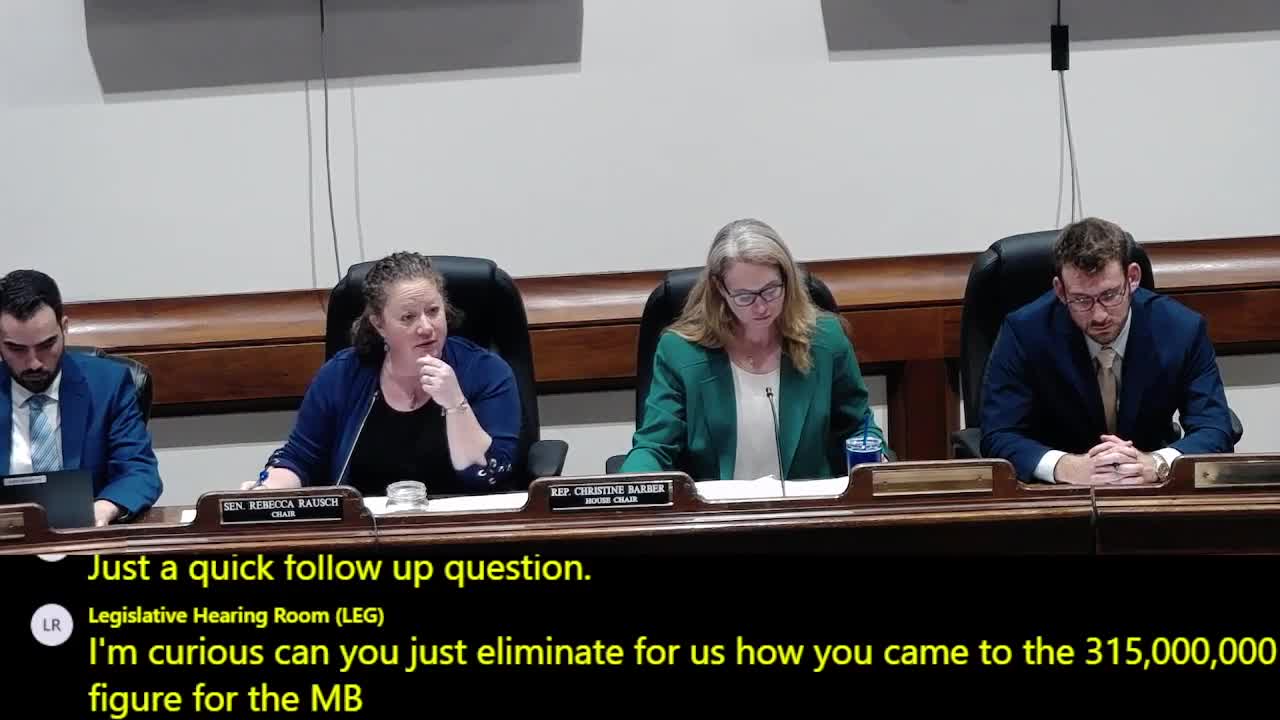
The administration proposes $315,000,000 for the popular MVP program, a 2.5‑fold increase over current authorizations, Secretary Rebecca Tepper told the committee. But many municipalities and resilience coalitions said the scale of climate hazards and recent federal funding cuts justify a larger authorization.
"MVP has been the crowning jewel of our approach to resilience," said Nasir Brahim of the Mystic River Watershed Association. Brahim and several other witnesses asked the committee to adopt $500,000,000 in authorization — an amount that municipal and advocacy panels argued would let communities move from planning into construction and leverage federal grants.
Regional planning agencies, the Metropolitan Area Planning Council and the Massachusetts Municipal Association said MVP has been oversubscribed and that program rules should include technical assistance and carve‑outs for small towns. MAPC and others highlighted successful regional MVP efforts, including the Island and River flood resilience project (Chelsea/Everett) that used MVP planning grants to secure later federal funding.
Several local officials said MVP funding is a prerequisite to drawing larger federal grants. "We would not have been competitive for a $50 million FEMA grant without MVP funding for community engagement, design and permitting," Chelsea deputy director Emily Granoff told the committee.
Administration witnesses said the bill would expand MVP eligibility to nonprofits and create flexible criteria for action grants, but they declined to commit to a higher authorization figure on the record, asking the legislature to weigh resources and bond capacity.
Committee members signaled openness to increasing MVP’s authorization during negotiations, with continued attention to small‑town access and regional approaches.