Four Florida district court nominees introduced; senators question judicial philosophy and experience

5570169 · June 25, 2025

Get AI-powered insights, summaries, and transcripts

Subscribe
AI-Generated Content: All content on this page was generated by AI to highlight key points from the meeting. For complete details and context, we recommend watching the full video. so we can fix them.

Summary

Senators introduced four nominees to federal district court seats in Florida and questioned them on constitutional interpretation, judicial temperament and trial experience during a Senate Judiciary Committee hearing.

Senators introduced four nominees to U.S. district court seats in Florida and questioned them on legal philosophy, trial experience and the role of judges during a Judiciary Committee session that followed the Emil Bovee hearing.

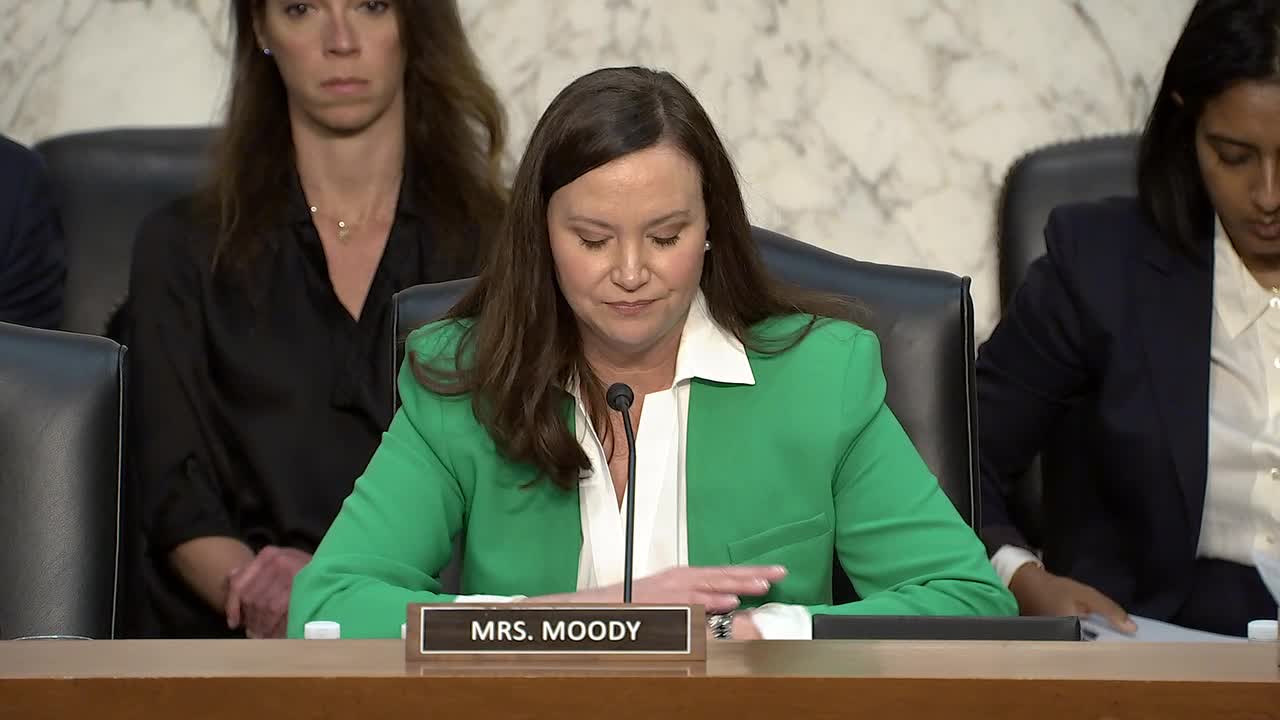
Senator Rick Scott (R‑Fla.) and Senator Ashley Moody (R‑Fla.) delivered introductions for the nominees named by the President: Edward Artau (introduced in the hearing as Ed Artau), Kyle Dudek, Leigh Gaylord Moe and Jordan Pratt. Each nominee was sworn and gave brief opening remarks thanking family, local senators and supporters.

Senators used the questioning period to probe different aspects of experience and judicial approach. Senator John Kennedy (R‑La.) led an extended line of procedural and constitutional questions focused on search and seizure rules and core constitutional clauses. Several senators tested nominees on how they would approach statutory ambiguity, with multiple nominees describing a textualist approach that begins with the statute’s text and the public meaning at the time of enactment.

Senator Dick Durbin (D‑Ill.) and other Democrats asked about adherence to court orders and how nominees would respond to parties who disobey a court ruling. Each nominee said they would expect parties, including executive‑branch officials, to comply with lawful court orders and described available procedural avenues — stays, appeals and motions for rehearing — when a party believes an order is incorrect.

The panel included exchanges about civil‑rights and constitutional doctrines that federal judges encounter regularly. Senator Sheldon Whitehouse (D‑R.I.) pressed nominees on the practical operation of Title VI of the Civil Rights Act and related state‑federal interactions; one nominee acknowledged the statute’s application is often tied to receipt of federal funds. Senator Richard Blumenthal (D‑Conn.) questioned a nominee about a published opinion that cited contested characterizations of media coverage and asked whether litigants could expect impartiality; the nominee reiterated judicial duties to follow the canons and explained prior practices and contacts.

Senator Sheldon Whitehouse and others also asked about candidates’ trial experience. Some nominees described appellate and clerkship work as the core of their practice and acknowledged limited time as lead trial counsel. Senator Sheldon Whitehouse asked one nominee whether they had tried cases to verdict or conducted direct examinations; the nominee said their practice had been primarily appellate and that trial work was limited.

No confirmation votes were held. Committee members who raised follow‑up issues asked that additional written questions and materials be submitted for the record. The committee recessed after the panel and permitted questions for the record to be filed by the committee’s deadline.

Why it matters: Federal district judges preside over trials and issue decisions that are often the first step in significant civil and criminal matters. The hearing tested whether the nominees possess trial experience, temperament and an interpretive approach acceptable to senators on both sides of the aisle.