Get Full Government Meeting Transcripts, Videos, & Alerts Forever!
Get email alerts on the Judicial Nomination Emil Bovee topic
No spam. Unsubscribe anytime.
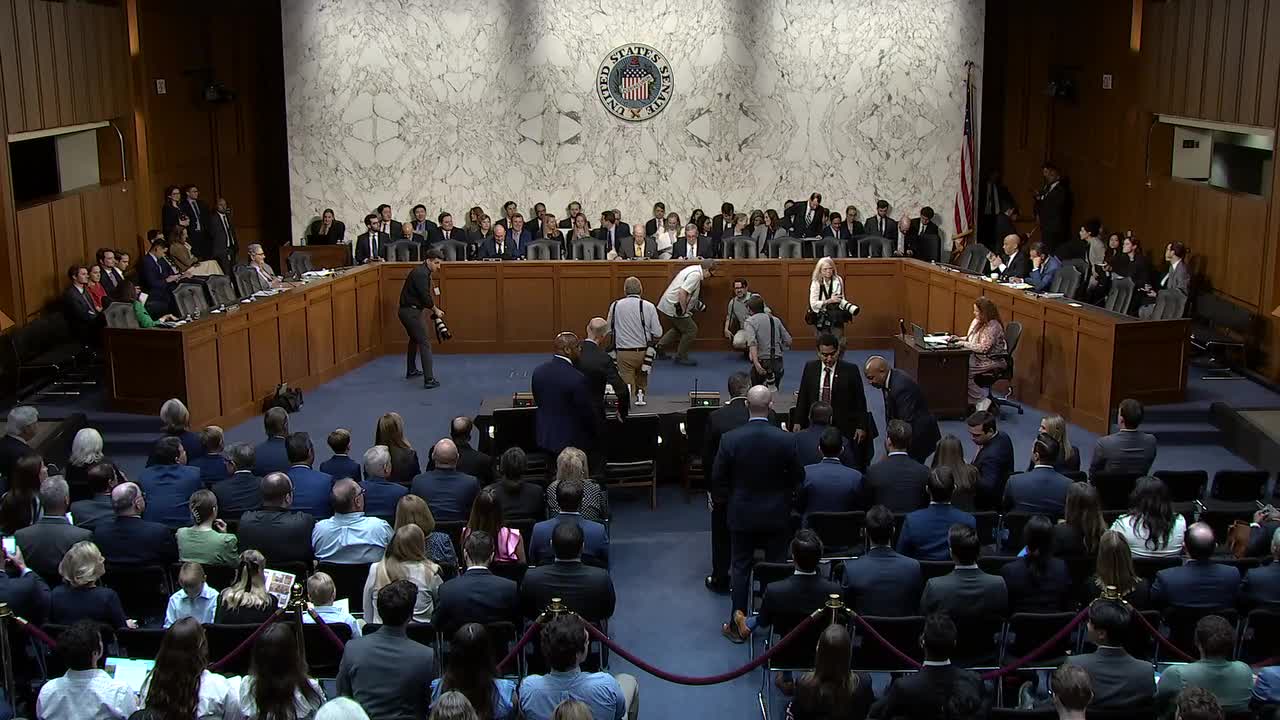
Nominee Emil Bovee faces sustained questioning over Justice Department actions and whistleblower allegations at Senate hearing
Summary
Emil Bovee, nominated to the U.S. Court of Appeals for the Third Circuit, defended his Justice Department record as senators debated allegations he directed or condoned partisan conduct, sought removals of January 6 prosecutors and moved to dismiss the Eric Adams corruption case.
At a Senate Judiciary Committee hearing on the nomination of Emil Bovee to the U.S. Court of Appeals for the Third Circuit, senators pressed Bovee about his record at the Department of Justice, including a whistleblower complaint that he suggested the department could ignore federal court orders and the decision to seek dismissal of corruption charges against New York City Mayor Eric Adams.
The hearing opened with Chairman Charles E. Grassley (R‑Iowa) urging colleagues to treat nominees respectfully while highlighting Bovee’s academic and prosecutorial record. “This committee will do the same thing,” Grassley said in his introductory remarks, adding that the committee would respect recognized privileges such as executive‑privilege and deliberative‑process protections. Grassley noted Bovee’s honors and trial experience and the letters of support from former Justice Department officials.
Ranking Member Richard Durbin (D‑Ill.) sharply challenged that portrait, citing internal Justice Department actions under Bovee’s supervision. Durbin told the committee that Bovee “has fired dozens of career federal prosecutors who worked on cases related to the January 6 insurrection,” and he described a whistleblower complaint alleging Bovee suggested the department might tell courts “expletive you” and ignore orders. Durbin said the complaint was submitted by a career DOJ lawyer and that the committee received it shortly before the hearing.
Bovee repeatedly denied the core allegation that he told DOJ attorneys to violate court orders. “No. I have never advised a Department of Justice attorney to violate a court order,” he testified under oath. He said that the deputy attorney general had publicly denied the whistleblower account and that, in the whistleblower’s own later filing, the whistleblower had acknowledged the department’s compliance with court orders in related litigation.
Senators questioned Bovee about his role in the Adams matter, in which the Justice Department sought dismissal of corruption charges. Durbin and other Democrats described the episode as a possible quid pro quo and said successive prosecutors had resigned in protest. Bovee told senators the motion to dismiss was grounded in prosecutorial‑discretion considerations, including concerns about "weaponization" of the justice system and the potential effect of a prolonged prosecution on New York governance and an ongoing mayoral election. Bovee said the dismissal without prejudice was the default under the applicable rule and that the rationale was explained in the department’s filing; he also read from the Adams hearing transcript showing Mayor Adams had denied any outside agreement under oath.
Several senators referenced contemporaneous coverage and commentary. Committee members entered several items into the record by unanimous consent, including the whistleblower complaint, resignation letters from prosecutors who left the Adams matter, related news articles and editorials, and letters both supporting and opposing the nomination. Chairman Grassley and others also mentioned a letter from 36 former senior Justice Department employees and 20 state attorneys general who backed Bovee.
Beyond Adams, senators pressed Bovee about his actions relating to January 6 prosecutions. Durbin and others said Bovee sought lists of FBI personnel who had worked on those matters and authorized termination of probationary assistant U.S. attorneys in an office where many of the January 6 prosecutions were based. Bovee said his concern was the embedding of temporary assistants into permanent roles after the 2024 transition and that he authorized termination of probationary employees in the U.S. Attorney’s Office because of that management and staffing concern; he denied that career prosecutors were removed solely for pursuing January 6 cases.
The hearing also resurrected allegations about Bovee’s management style while at the Southern District of New York. Senators quoted a 2018 email from former prosecutors describing him as “vindictive” and “reckless.” Bovee rejected those characterizations as inaccurate and said he accepted constructive criticism and had been promoted again after that episode.
Republican senators and a set of former DOJ officials defended Bovee’s record. Senator Rick Scott (R‑Fla.), Senator Ashley Moody (R‑Fla.) and Senator Ted Cruz (R‑Texas) emphasized his terrorism and national‑security prosecutions and said the department and the nation needed experienced trial lawyers on the bench.
Bovee declined to answer some questions about internal deliberations on the ground that those matters implicated deliberative‑process or attorney‑client protections or were not appropriate to discuss publicly while still serving in the department. Several senators objected to that invocation and asked for the committee to seek meeting notes and other records from the Justice Department to resolve factual disputes.
The committee did not vote on the nomination during the session. Chairman Grassley said committee staff would receive submitted materials and that further questions for the record could be submitted. The hearing then moved to a second panel featuring four district court nominees from Florida.
Why it matters: A federal circuit judgeship is a lifetime appointment. The hearing highlighted a central tension for the committee: whether Bovee’s prosecutorial decisions and management style reflect disqualifying misconduct or acceptable exercise of prosecutorial discretion. Senators on both sides said they would weigh the record, contemporaneous documents and witness testimony as the committee continues its consideration.