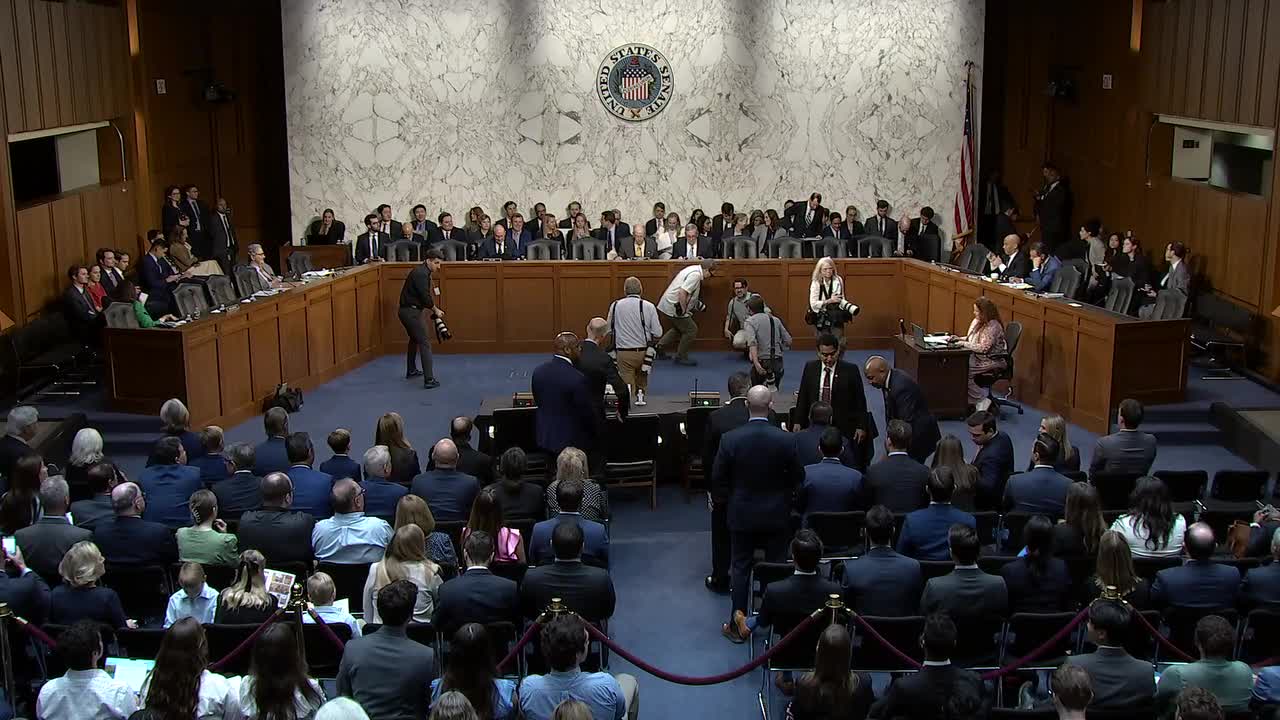
Senate Judiciary Hearing on Emil Bovee Spotlighted Whistleblower Allegations, Adams Case and Firing of DOJ Staff
Get AI-powered insights, summaries, and transcripts
SubscribeSummary
Emil J. Bovee, a Department of Justice official nominated to the U.S. Court of Appeals for the Third Circuit, testified at a Senate Judiciary Committee hearing where senators pressed him about a whistleblower complaint, the dismissal of corruption charges against New York Mayor Eric Adams and the removal of prosecutors who worked on January 6 cases.
The hearing, chaired by Senator Chuck Grassley, centered on whether Bovee advised DOJ attorneys to ignore court orders and on decisions he helped make in the Adams prosecution. Ranking Member Dick Durbin condemned actions he described as political retribution and cited a whistleblower complaint and reports of abusive management. Bovee denied advising anyone to violate court orders and said he “did not advise any Department of Justice attorney to violate a court order.”
Why it matters: the committee is considering Bovee for a lifetime appellate judgeship on a New Jersey-based Third Circuit seat. Opponents said his conduct at DOJ raises questions about his judgment and temperament for the federal bench; supporters called his trial record and prosecutorial experience exemplary.
Bovee’s record and supporters: Chairman Grassley highlighted Bovee’s academic honors, federal clerkships and decade of work as a federal prosecutor on national-security and major criminal prosecutions, saying Bovee had prosecuted terrorism and narcotics cases and “helped bring the Chelsea bomber to justice.” More than three dozen former senior Justice Department officials and multiple state attorneys general submitted letters supporting his nomination, the committee was told.
Allegations and whistleblower account: Durbin and other Democrats pointed to a whistleblower complaint the committee received and public reporting alleging that Bovee suggested DOJ might need to tell courts “expletive you” and ignore orders. Durbin said the complaint came from a career Justice Department lawyer and argued that the claims go “to the heart of our democracy and the rule of law.” Bovee told the committee he had “no recollection of saying anything of that kind” and reiterated that the deputy attorney general had publicly denied the account.
Adams case and resignations: Senators questioned Bovee about his role in a DOJ decision to seek dismissal of federal corruption charges against New York Mayor Eric Adams. Bovee said the department sought dismissal without prejudice on policy grounds, including concerns that ongoing prosecution could impede a mayor’s ability to govern and campaign. Several career prosecutors resigned after the decision; committee members pressing Bovee cited resignation letters and public reporting describing those departures. Bovee called public statements denying any quid pro quo and pointed to sworn courtroom statements from Mayor Adams saying “there was no deal, no quid pro quo.”
January 6-related staffing moves: Senators asked Bovee about a memo and personnel actions tied to January 6 prosecutions. Durbin and others said Bovee ordered the removal of dozens of line prosecutors and sought lists of FBI employees assigned to January 6 matters; Bovee said he requested information to review staffing and that many of those terminated were probationary employees whose continued placement as permanent staff raised management concerns.
Temperament and SDNY inquiries: Several senators referenced reporting about an internal inquiry into Bovee’s management style while he worked in the U.S. Attorney’s Office for the Southern District of New York, including a case in which a conviction was later set aside and a judge wrote of “insufficient supervision.” Bovee said he accepts constructive criticism, disputed some characterizations in public reporting and noted he later received the promotion in question.
Privilege and committee oversight: The chairman opened by saying the committee would respect recognized privileges — executive, deliberative process and attorney-client — if applicable. Senators including Sheldon Whitehouse and Richard Blumenthal objected to treating those privileges as blanket shields in a nomination hearing; the committee recorded several documents into the hearing record and asked for production of meeting notes tied to the whistleblower and the Adams decision.
Next steps and unresolved items: Senators on both sides requested documents and at least one senator asked that the whistleblower be called to testify. The committee did not vote at the hearing. Several senators said they would submit additional questions for the record and asked the Justice Department to produce internal notes from meetings referenced in the complaint.
Ending: The hearing exposed deep partisan divisions over the role of political considerations in prosecutorial decisions, while placing Bovee’s DOJ management choices and high-profile litigation decisions at the center of the committee’s review of his fitness for a lifetime appellate judgeship.