
Privacy witnesses warn of harms to children, surveillance pricing and data-broker risks
Get AI-powered insights, summaries, and transcripts
Subscribe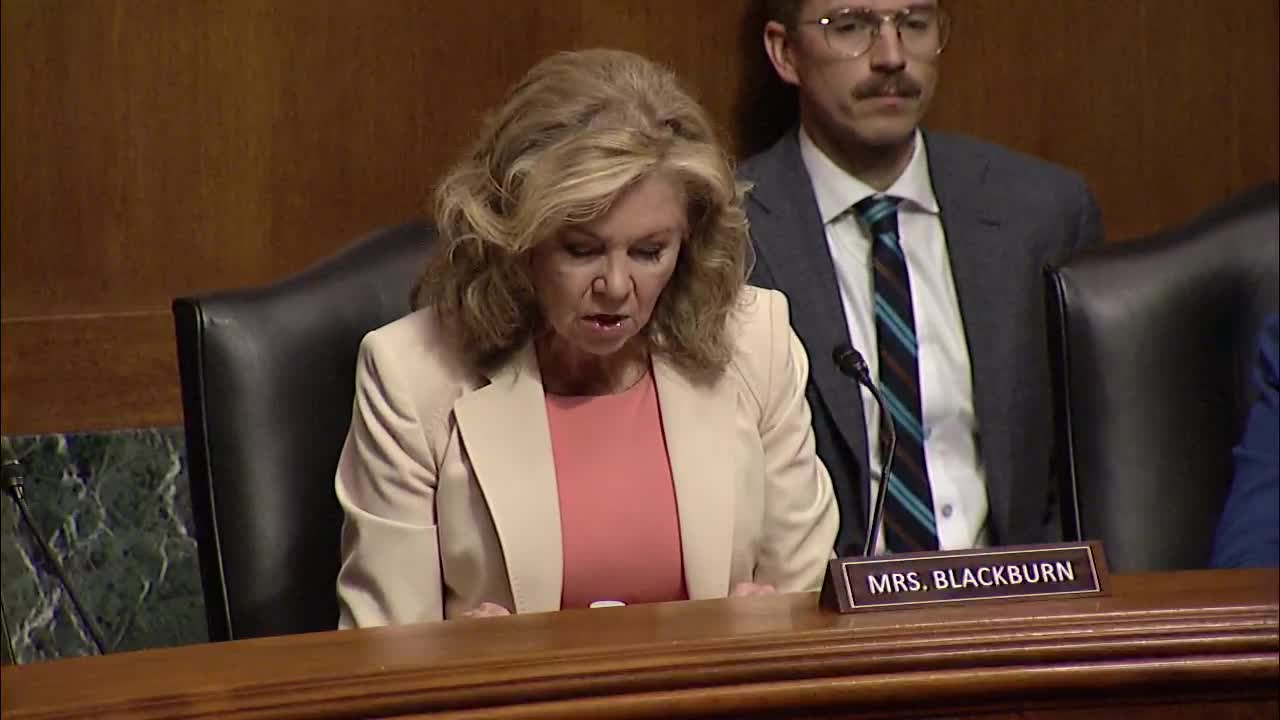
Summary
Privacy advocates and a former FTC official told senators that unchecked data collection fuels harms to children, enables individualized price discrimination, and empowers data brokers, calling for strong data minimization, enforcement and protections for sensitive data.
Several witnesses told the Senate subcommittee that weak privacy protections are producing concrete harms, from youth mental-health risks to individualized pricing and dangerous data-broker practices.
Alan Butler, executive director of the Electronic Privacy Information Center, cited a long-standing FTC finding that "self regulation does not work, and we need legislation to ensure adequate protection for Americans online." Butler urged data minimization, heightened protections for sensitive data and strong enforcement, including private rights of action "with enforceable court orders."
Sam Levine, senior fellow at the Berkeley Center and former director of the FTC Bureau of Consumer Protection, described three threats: "threats to economic fairness, democratic freedoms, and the safety of kids and teens." Levine warned that companies are using data to engage in "personalized price gouging," moving "from a world of 1 product, 1 price to 1 person, 1 price." He also cited examples where profiling and location-based datasets were used to categorize and target people, and he described troubling AI chatbot outputs that targeted children.
Senator Adam Schiff raised data-broker concerns and California's approach, noting that starting Jan. 1, 2026, "40,000,000 Californians will be able to go to a single web page...and request that their data be deleted from over 500 data brokers." Witnesses and senators discussed registries, a central clearinghouse for data brokers and stronger limits on sale and profiling of sensitive information. Levine and Butler both advocated for stronger regulation of data brokers and centralized mechanisms that scale—because "the average consumer has no way really to know what data brokers exist," Butler said.
Witnesses also connected privacy gaps to national-security and government-practice concerns. Levine told the committee that reports of federal agencies demanding sensitive state-held recipient data risked violating established federal statutes and undermining privacy protections.
Senators emphasized children’s safety as a cross-cutting concern: Chairwoman Blackburn called it "absolutely disgusting that our children are the product when they are online," and members discussed the Kids Online Safety Act as a complementary policy avenue.