Get Full Government Meeting Transcripts, Videos, & Alerts Forever!
Get email alerts on the Health Seizure Safety topic
No spam. Unsubscribe anytime.
Parents, educators and health groups urge passage of Seizure Safe Schools legislation
Summary
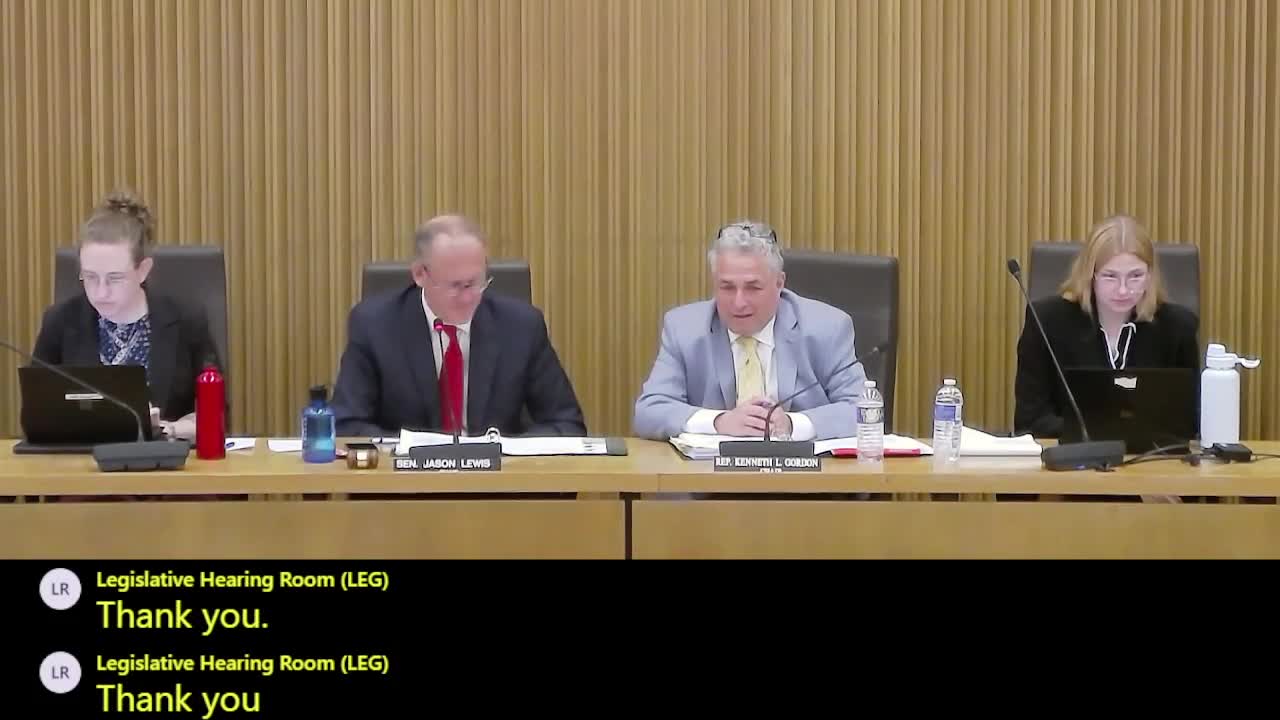
Parents, educators, health providers and epilepsy advocates asked the Joint Committee on Education to act on bills that would require seizure first aid training, emergency care plans and access to rescue medications for students with seizure disorders.
Advocates told the Joint Committee on Education that many Massachusetts schools lack consistent systems to identify and respond to seizures, putting students at risk. Testimony from people with lived experience, parents and the Epilepsy Foundation New England emphasized that seizures are common — “the third most common medical emergency in schools” — and can be life threatening when not recognized and treated promptly. The proposed bills (Senate Bill 422 / House Bill 635) would require schools to adopt seizure action plans, train staff and students using evidence based curricula, and permit use of emergency rescue medications when clinically indicated.
Speakers described specific incidents in which school staff failed to recognize seizure signs or lacked training to respond. Megan Robbins, who said she has epilepsy and later worked in schools, said her written seizure action plan was not followed in middle school and that teachers frequently did not know how to respond. Johnny McComiskey and Ben Herman described seizures at school and parents recounted barriers to enrollment or staff willingness to support students. The witnesses urged the committee to adopt requirements that mirror protections already in place in 27 other states and the District of Columbia.
Medical and advocacy organizations backed the bills. Kristen McCone Gordon of Epilepsy Foundation New England summarized research and professional guidance showing that training reduces stigma and improves outcomes. School staff and parents asked that training be practical, classroom‑friendly and administered on a recurring basis; several witnesses requested clarity on rescue medication administration and coordination with nurses so schools can implement plans safely.
None of the witnesses reported that the committee enacted a formal policy in the hearing; they asked legislators to report the bills favorably and to include funding and implementation guidance so districts can train staff and adopt individualized seizure action plans.
Ending: Proponents asked lawmakers to make training, action plans and clear access to rescue therapies a statewide standard, saying it would reduce emergency responses, lower avoidable hospital transports and keep students safely in class.