
EEOC Nominee Bridal Panuccio Says She Would Enforce Title VII, But Senators Press on Independence and Presidential Control
Get AI-powered insights, summaries, and transcripts
Subscribe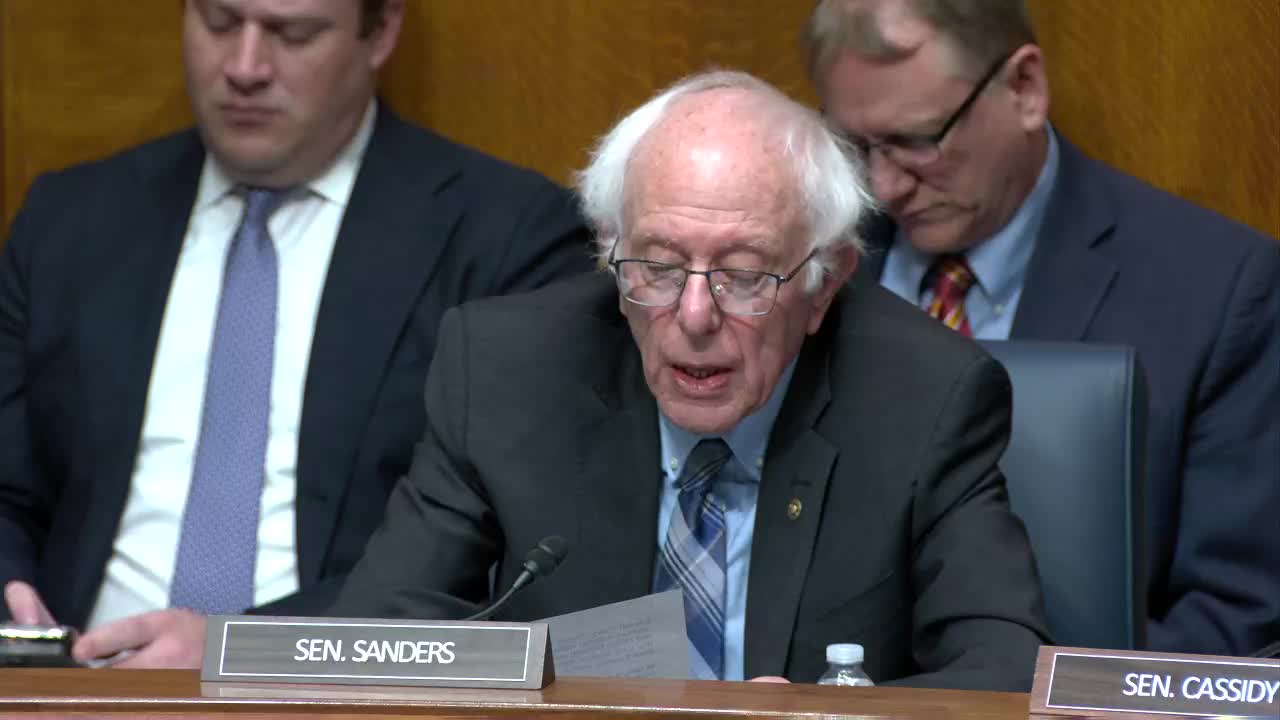
Summary
Bridal Panuccio, President Trump’s nominee to the Equal Employment Opportunity Commission, told the Senate HELP Committee she would enforce Title VII but described the EEOC as an executive branch agency; senators queried whether presidential directives could limit investigations and how she would approach issues such as DEI and past EEOC actions.
Bridal Panuccio, President Trump’s nominee to serve as a commissioner on the Equal Employment Opportunity Commission, told the Senate HELP Committee on July 16 that she is committed to vigorously enforcing Title VII of the Civil Rights Act if confirmed, but described the EEOC as an executive-branch agency that operates with prosecutorial discretion.
Panuccio, who currently serves as an assistant U.S. attorney in the Southern District of Florida, told senators she had devoted part of her career to civil-rights work and said she would ‘‘vigorously enforce’’ Title VII where the evidence supports it. "Title VII prohibits discrimination on the basis of a variety of different protected characteristics…and if I have the privilege of being confirmed as a commissioner, I would vigorously enforce that law," she said.
Senators pressed Panuccio on whether the EEOC is independent of presidential control and what would happen if the president directed the agency to stop pursuing certain categories of claims. In exchange with Senator Baldwin, Panuccio said the EEOC is an executive branch agency and that the president, as head of the executive branch, can direct priorities; she noted the agency also has prosecutorial discretion given finite resources. Baldwin asked directly if the agency would have to stop investigations if the president so directed; Panuccio answered that, as an executive branch agency, it ‘‘responds to the president’’ and can direct resources consistent with its mission.
Senators also questioned Panuccio about diversity, equity and inclusion (DEI) practices and whether DEI programs can conflict with Title VII. Senator Tuberville asked how she would ensure enforcement against illegal hiring practices that might have been promoted during the prior administration; Panuccio replied that DEI is a ‘‘broad concept’’ and that ‘‘Title VII does not include any exceptions for diversity or DEI,’’ adding she would enforce the statute’s plain text.
Panuccio recounted her career in public service, including internships at the EEOC and prior roles at the Department of Education’s Office for Civil Rights and the Department of Justice. She told the committee she coauthored the 2018 Title IX notice of proposed rulemaking and currently handles appeals as an assistant U.S. attorney. She also referenced personal experience with disability accommodations and sexual assault, saying those experiences informed her commitment to enforcing civil-rights protections.
The hearing record shows senators submitted documents into the record, including a letter from 45 civil-rights and worker-rights organizations opposing Panuccio’s nomination; the committee entered the letter without objection. Senators indicated they would submit additional questions for the record; the transcript does not record a committee vote or final action on the nomination during the hearing.
Major themes of senators’ questioning included the EEOC’s institutional independence; the scope of prosecutorial discretion; and how the nominee’s prior government and private-sector work would shape her approach to equal-employment enforcement. Panuccio repeatedly framed her role as enforcing the ‘‘plain meaning’’ of statutes and applying resources within the authority that Congress has given the commission.