Get Full Government Meeting Transcripts, Videos, & Alerts Forever!
Get email alerts on the Rural Schools Funding topic
No spam. Unsubscribe anytime.
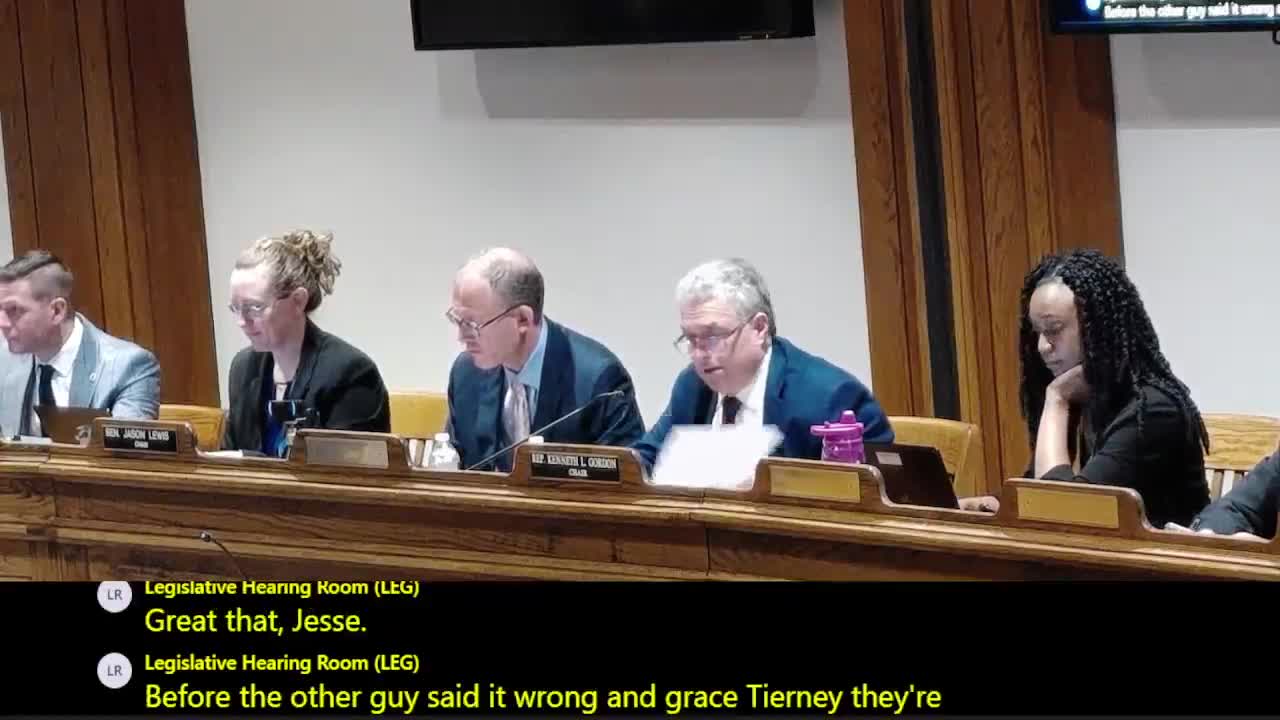
Students, school officials urge lawmakers to fully fund rural schools, back H517/S314
Summary
Students, educators and municipal leaders told the Joint Committee on Education that rural districts face structural funding shortfalls and asked legislators to support H517/S314 and related measures to make rural aid stable and adequate.
Students, school officials and local elected leaders told the Joint Committee on Education on a series of bills including H517/S314 that rural school districts across Massachusetts are in a fiscal emergency and need targeted, stable aid.
The testimony made the point that the state funding formulas do not reflect the higher per‑student fixed costs of small districts and that annual, appropriated rural aid is unreliable. "We need the state to provide more funding because local funding just isn't enough in a community like ours," said Ella Bradbury, a freshman at Amherst Regional High School, who described a projected $1,400,000 budget deficit in her district’s middle and high schools.
Why it matters: advocates said unstable rural aid and flat formula adjustments force layoffs, reduced electives and diminished supports for students with disabilities — outcomes they said are inconsistent with the Commonwealth’s education obligations.
Testimony cited several impacts across municipalities: Sunderland School Committee Chair Jessica Corwin asked that rural aid be made "not subject to appropriation," saying districts learned allocations months after they must set local budgets. Bridgewater officials and teachers described multi‑million dollar override requests and transportation and special‑education costs that left classrooms and electives cut. Officials from Franklin and Berkshire County towns said small districts were spending 56–63% of municipal budgets on schools and that continued cuts threaten town services and the viability of schools.
Local board and education leaders also urged that the $60 million annual target identified by the legislative Commission on the Fiscal Health of Rural Schools be honored and inflation‑adjusted. Several witnesses — including Linda Dunlavy of the Franklin Regional Council of Governments and Mohawk Trail Regional District leaders — emphasized that enrollment declines do not reduce fixed costs, and that school consolidation or shared services alone had not produced lasting sustainability.
Committee members acknowledged the problem and said they expect to weigh rural aid in the budget process and consider proposals in H517/S314 alongside other bills addressing transportation and Chapter 70 adjustments.
Ending: Witnesses promised written testimony and additional analyses; the committee closed public testimony on H517/S314 and will consider the suite of bills as part of its hearings on school funding.