
Former insurer executive warns vertical integration and MLR loopholes let insurers shift profits into owned providers
Get AI-powered insights, summaries, and transcripts
Subscribe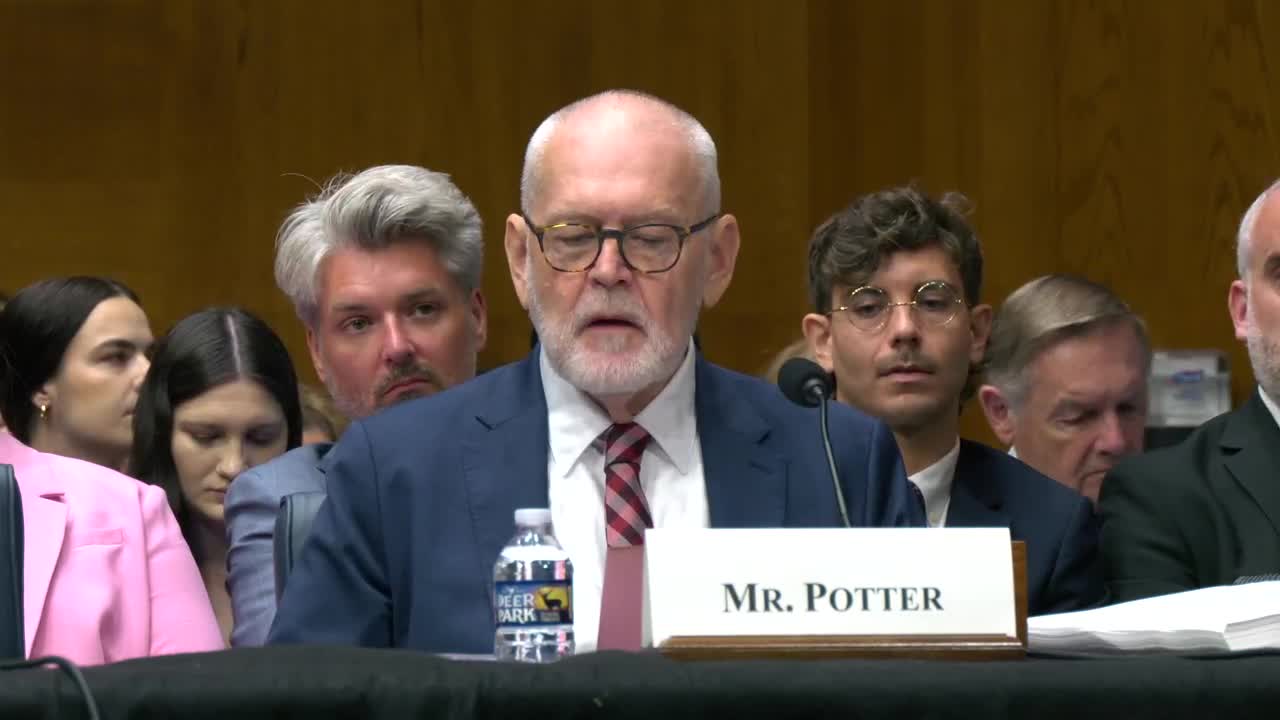
Summary
At a Senate HELP Committee hearing, Wendell Potter, president of the Center for Health and Democracy and a former insurance executive, testified that insurers' vertical integration and accounting workarounds are contributing to consolidation, higher prices and reduced patient choice.
At a Senate HELP Committee hearing, Wendell Potter, president of the Center for Health and Democracy and a former insurance executive, testified that insurers' vertical integration and accounting workarounds are contributing to consolidation, higher prices and reduced patient choice.
Why it matters: Witnesses argued that insurer‑owned provider entities and insurer‑owned PBMs allow companies to record intercompany transfers as medical spending under the Affordable Care Act's medical loss ratio (MLR) rules, enabling higher apparent medical spending while moving funds to corporate affiliates that contribute to profits.
Potter described UnitedHealth Group's strategy: "United has almost 3,000 subsidiaries, most involved in healthcare delivery... UnitedHealth's intercompany transfers now account for 31% of its total revenues," testimony said. He added that the company now derives "more than 75% of its health insurance revenue from public programs like Medicare Advantage, Medicaid, and VA contracts," and that insurers have used ownership of provider entities to satisfy MLR requirements while increasing consolidated profits.
Panelists said this vertical integration gives large insurers influence across the care pathway — from online provider discovery to employed physicians, PBMs and home care — and can weaken independent providers and reduce competition. Potter urged Congress to close MLR loopholes, require full transparency on ownership and acquisitions, restrict insurer ownership of physician practices and phase out insurer‑owned PBMs in public programs.
Witnesses suggested policy tools including tighter MLR enforcement, public reporting of affiliated transactions, stronger antitrust scrutiny, and consideration of global budgets (citing Maryland as a model). Senators asked the committee and regulators to examine whether public dollars (Medicare Advantage, Medicaid contracts) are disproportionately fueling insurer profits rather than patient care.
The hearing included calls for greater transparency and legislative fixes to ensure that regulatory safeguards achieve intended protections for consumers and taxpayers.