Get Full Government Meeting Transcripts, Videos, & Alerts Forever!
Get email alerts on the Alternative Healing Licensure topic
No spam. Unsubscribe anytime.
Hundreds testify against licensure bill for alternative healing therapies; critics cite access, religious liberty and lack of trafficking evidence
Summary
Dozens of practitioners, patients and some health professionals opposed S.261/H.422, a bill proposing state licensure and training standards for a wide range of alternative and energy‑based healing practices. Witnesses said the measure would restrict access, harm volunteers and likely fail to address organized trafficking.
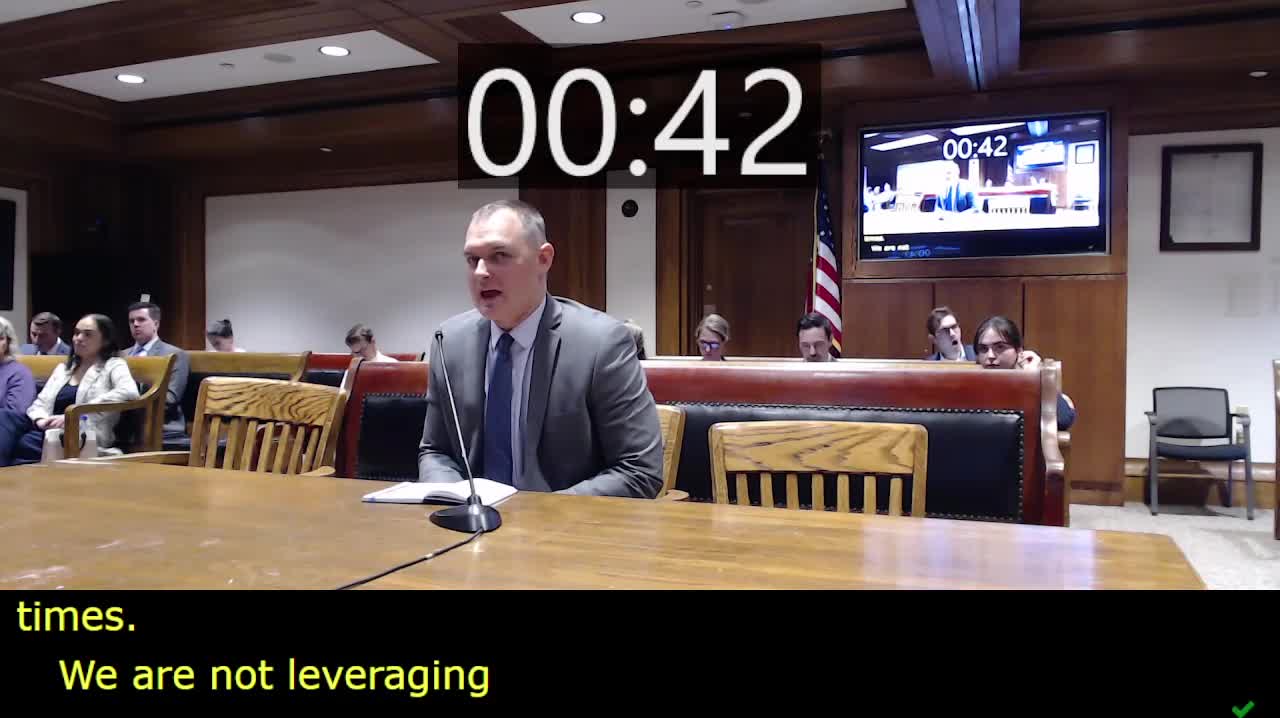
A large and sustained public comment period at the Joint Committee on Consumer Protection and Professional Licensure brought dozens of practitioners, patients and a physician to the microphone to oppose Senate Bill S.261 (and related House bills), which would create state licensure and training standards for a broad set of alternative and complementary healing practices.
Those testifying against the bill included Reiki masters, energy healers, somatic educators, Feldenkrais teachers, and a number of patients and clinicians who said they rely on non‑medical modalities. Several speakers described personal health benefits they attributed to such therapies and warned that state licensure, as drafted, would make many small practices economically unviable.
“Passage of this bill will put countless providers out of business and restrict access to these services,” said Lisa Ottaviano, an elementary school counselor who testified in opposition. Speakers said many practitioners are sole proprietors or volunteers who serve hospitals and hospice programs and cannot absorb the expense and administrative burden the bill would create.
Multiple witnesses also challenged the bill’s central justification. “Human trafficking is real. It is horrifying, and it must be addressed. However, this bill is not the answer,” Jessica Morris, a certified healer, told the committee. Several presenters cited the Massachusetts Interagency Human Trafficking Task Force (2013) and national authorities, arguing that licensing individual practitioners is not an effective means of combatting organized trafficking networks and that other measures recommended by task forces have not been implemented.
Specialized associations said their fields already have rigorous training and oversight. Representatives of the Feldenkrais Guild and the International Somatic Movement Education and Therapy Association described multi‑year training curricula, annual review of programs, and grievance processes and said imposing a one‑size‑fits‑all licensing system would duplicate or override existing standards.
Medical testimony was mixed. Dr. Sarah Shulman, a Massachusetts physician, opposed the bill and recounted using complementary modalities herself; she argued licensure would “put those people under the control of the massage therapy board, forcing them to conform to standards and training that do not belong to their lineages, their culture, or their healing traditions.” Other opposition witnesses said the proposed board composition and rulemaking steps — which would require new approved training programs and instructor approvals — are practically impossible and risk violating constitutional and antitrust principles.
Supporters of licensing did not dominate the hearing record; instead the committee received extensive written materials from practitioners describing current training, volunteer hospital programs, low malpractice exposures and the economic profile of practitioners. Several speakers urged the committee to consider alternative policy approaches, including safe‑harbor laws that preserve public access while offering law‑enforcement tools to pursue trafficking operations.
The committee did not vote on the bills. The hearing made clear that any licensing approach would need to address broad professional diversity, religious and free‑speech concerns, hospital volunteer programs, and the absence of demonstrable trafficking tied specifically to licensed solo practitioners.