
Senators, experts press PBM reforms and ‘delinking’ proposals to lower drug costs
Get AI-powered insights, summaries, and transcripts
Subscribe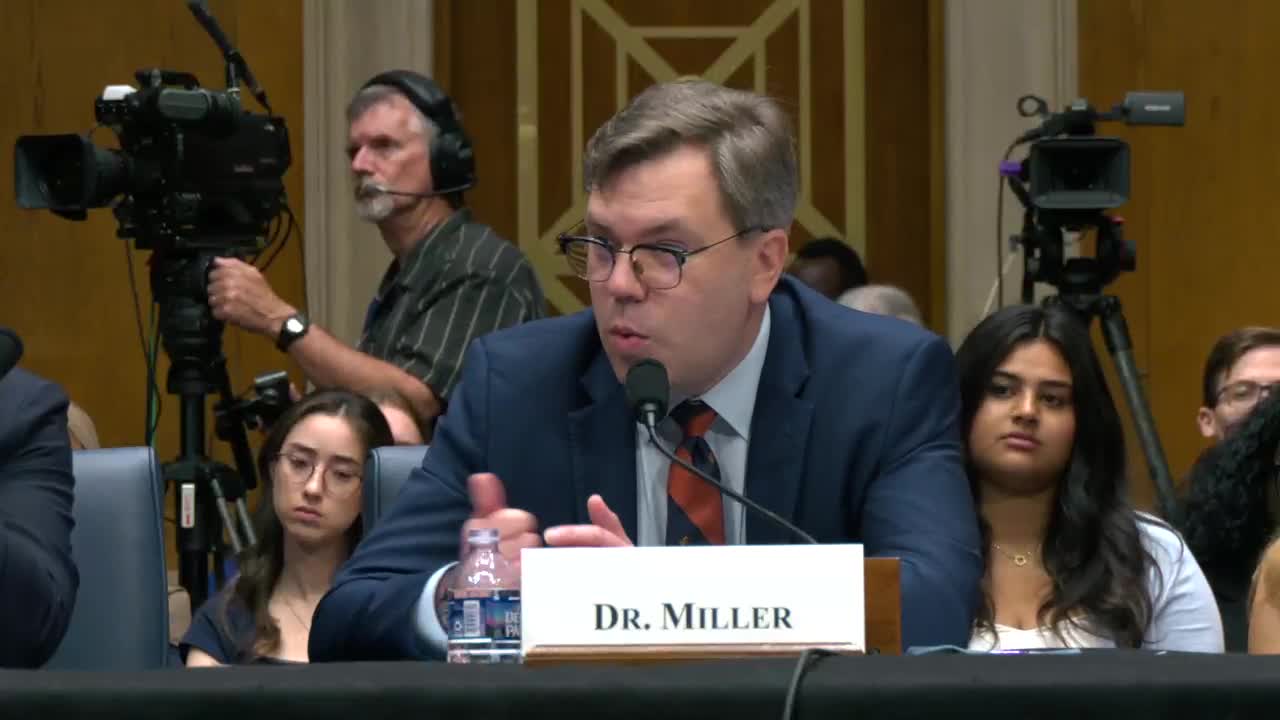
Summary
Witnesses and senators at the HELP hearing urged transparency and structural reforms for pharmacy benefit managers, including proposals to delink PBM compensation from list prices, retrospective merger review and stronger fiduciary rules for plan sponsors.
At a Senate HELP Committee hearing on health‑care affordability, lawmakers and witnesses focused on pharmacy benefit managers (PBMs), arguing that opaque rebate and fee arrangements raise drug prices and that structural reforms are needed so employers and patients benefit from negotiated discounts.
Why it matters: PBMs mediate most prescription drug purchases for insurers and employers; testimony at the hearing said employers and plan sponsors lack sufficient information to evaluate PBM contracts and that dominant PBMs contribute to consolidation that can raise costs.
Witnesses described how PBM practices can obscure true transaction prices and patient cost sharing. "Plan sponsors and employers don't always have full insight into how rebates work, what the fee schedule looks like," said Dr. Brian Miller, a hospital physician and MedPAC commissioner. Another witness noted that list prices remain high while net paid prices can be far lower: "It has become commonplace now for drugs to have 70% rebates," an AEI economist testified, urging alignment of patient cost sharing with net prices.
Several senators referenced a bipartisan bill called "delinking" (sponsored in the hearing discussion by Senator Marshall and Senator Kane) that would separate PBM compensation from a drug's list price so that PBMs are not paid a percentage that rises with the list price. Wendell Potter, president of the Center for Health and Democracy and a former insurer executive, endorsed delinking and said the practice incentivizes higher list prices and leads to middlemen extracting value from the supply chain.
Panelists and senators also discussed enforcement and competition tools: retrospective merger review of PBM consolidations by the Federal Trade Commission, clearer ERISA fiduciary responsibilities for PBMs and plan sponsors, and potential statutory limits on insurer ownership of PBMs. Dr. Miller urged the FTC to conduct retrospective merger review: "The FTC approved a lot of PBM mergers thinking that they would decrease price and not result in monopsony power... the FTC should do a retrospective merger review."
Witnesses said improved transparency for plan sponsors — access to claims, detailed fee schedules and standardized reporting — would allow employers covering workers to compare PBMs and steer business to lower‑cost, higher‑value vendors.
Senators and witnesses agreed that PBM reform is not a sole solution to drug pricing, but that it is a practical, bipartisan policy area with specific legislative options that could reduce costs for employers, patients and taxpayers.