Get Full Government Meeting Transcripts, Videos, & Alerts Forever!
Get email alerts on the Ticket Transferability topic
No spam. Unsubscribe anytime.
Fans, consumer groups back mandatory ticket transferability; some artists and venues urge caution
Summary
Consumer‑protection and fan advocates told the Joint Committee the state should protect buyers’ ability to transfer purchased tickets, while musician and venue witnesses warned mandatory transfer rules could undercut artist tools that limit predatory resale.
Consumer‑protection groups and sports‑fan advocates told the Joint Committee on Consumer Protection and Professional Licensure that Massachusetts should preserve and protect ticket transferability so fans can resell or donate tickets they cannot use.
John Breault of the National Consumers League and Brian Hess of the Sports Fans Coalition urged passage of bills H320 and S191, arguing that transferability preserves buyer choice, fosters competitive secondary markets and delivers measurable savings to fans. They cited federal attention to ticketing and a recent House vote on the Federal Ticket Act as evidence of broad interest in ticketing reforms.
“Live event fans must often purchase their tickets 6 months or more in advance, and unexpected life events can prevent them from attending. The ability to resell their tickets provides a lifeline,” John Breault told the committee. Sports Fans Coalition data presented at the hearing showed that resales have produced substantial below‑face savings for buyers; Brian Hess said secondary‑market competition saved Massachusetts sports fans roughly $25.5 million since 2017.
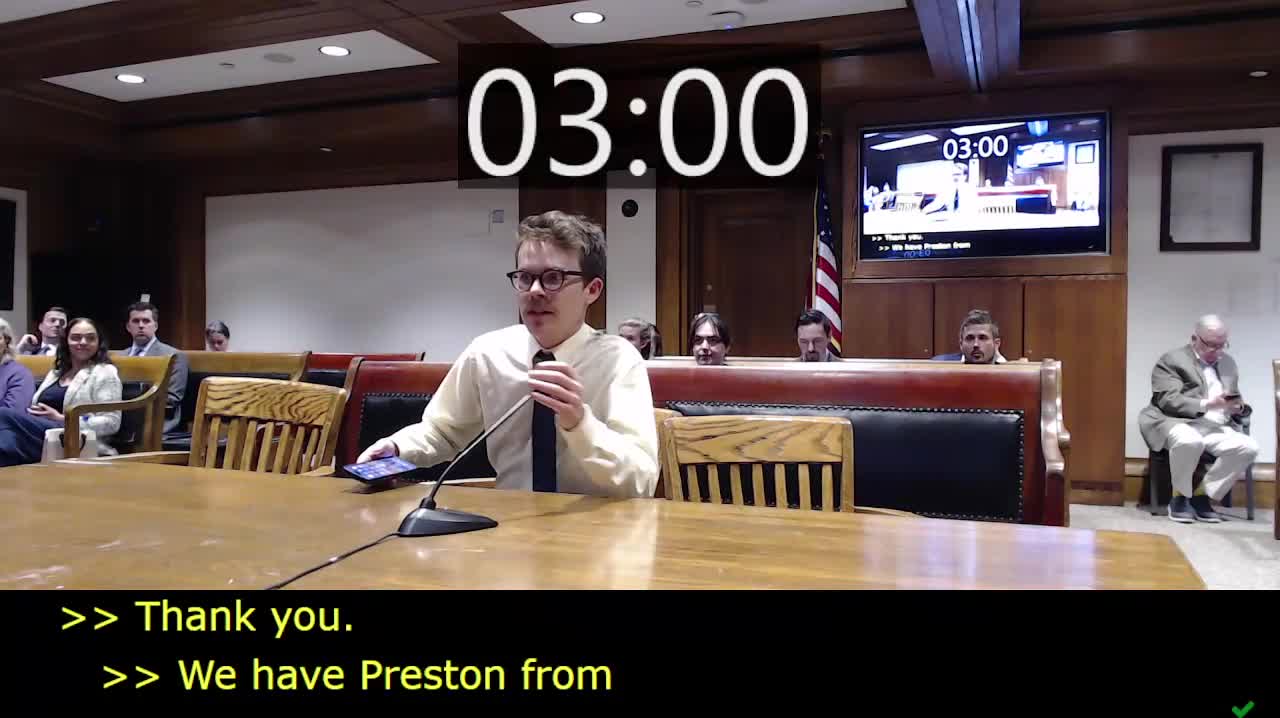
The debate was not unanimous. Preston Osman, representing United Musicians and Allied Workers and the Fix the Tickets coalition, testified in opposition, arguing that a mandatory transfer‑at‑will framework would limit artists’ ability to use tools that protect fans from predatory resale, such as fan‑to‑fan markets that cap resale at face value. Osman and other musician witnesses said some primary‑market controls — restrictions on transferability or approved resale platforms — are used intentionally to prevent bulk resellers and scalpers from exploiting fans.
Venue operators gave mixed testimony. John, an owner of the Wellfleet Drive‑In and Cinema, said the drive‑in and similar small venues should be excluded from burdensome ticketing licensing that was folded into prior legislation and that local businesses need flexible, low‑cost options to sell advance tickets.
The committee also heard technical and market context: consumer advocates pointed to the market concentration of a dominant promoter and ticketing platform — testimony included figures for Live Nation/Ticketmaster’s control of primary and secondary markets — and cited federal activity such as the Federal Ticket Act House vote. Music‑industry and venue witnesses warned that statutory mandates requiring universal transferability could eliminate artist‑designed resale mechanisms that have reduced prices for fans.
No formal committee action was taken. The hearing underscored competing goals: protecting buyers’ right to transfer tickets and preserving primary‑market and artist tools aimed at limiting predatory resale behavior.