
Senate hearing presses for stronger hospital price transparency and employer access to claims
Get AI-powered insights, summaries, and transcripts
Subscribe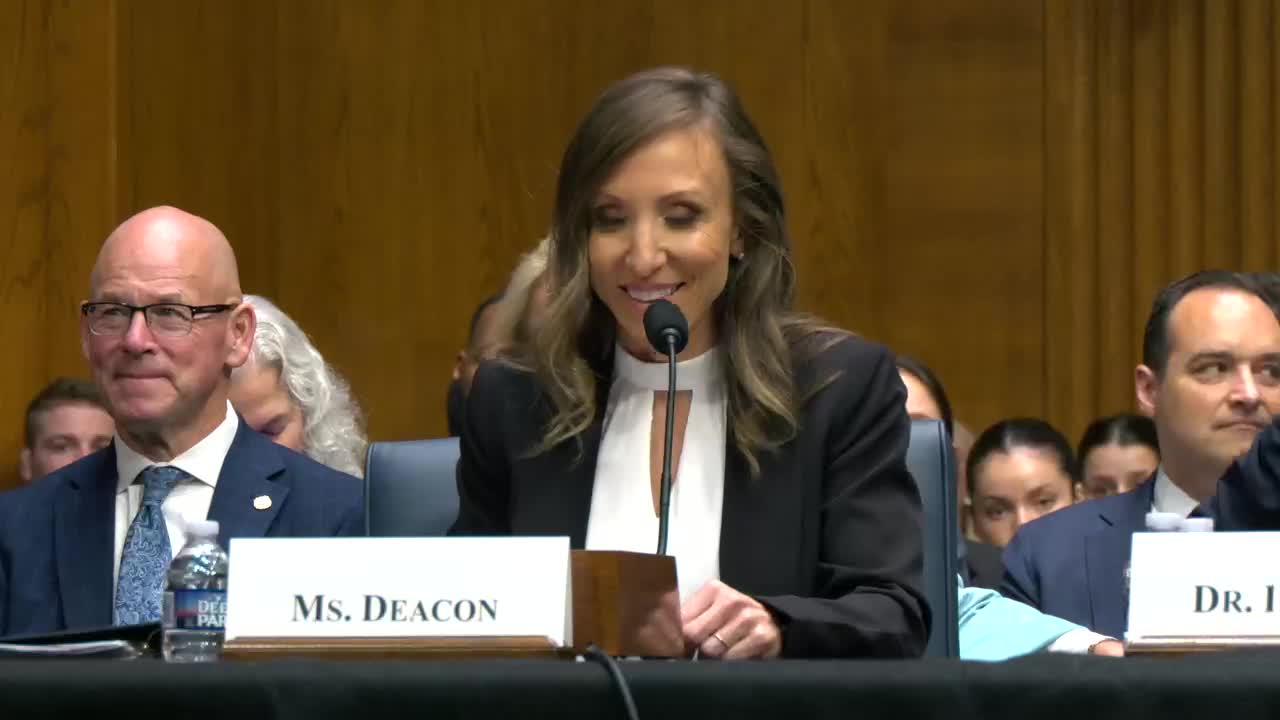
Summary
At a Senate HELP Committee hearing, witnesses and senators urged stronger enforcement of hospital price transparency rules, machine‑readable price files and employer access to claims data, saying current opacity prevents employers from using purchasing power and leaves patients unaware of facility fees.
At a Senate Health, Education, Labor and Pensions hearing on health‑care affordability, senators and witnesses called for stronger enforcement of hospital price transparency rules and for employers to be given usable access to claims data so they can control costs for the more than 160,000,000 Americans covered by employer‑sponsored insurance. "Transparency is not a talking point. It is absolutely a prerequisite to affordability, competition, and accountability," testified Chris Deacon, principal and founder of Verson Consulting.
Why it matters: Employers that pay premiums on workers' behalf cannot reliably steward those dollars if vendors and carriers withhold negotiated prices or deny access to claims. That opacity, witnesses said, undermines employers' ability to direct patients to lower‑cost providers and keeps patients from seeing facility fees until after care.
Witnesses and senators described the 2021 hospital price transparency rule as a first step but said compliance and usefulness remain insufficient. Dr. Brian Miller, a hospitalist and associate professor of medicine at Johns Hopkins, said the most recent Office of Inspector General audit found low compliance: "37 out of 100 hospitals complied with the 2 major components of the rule. Frankly, that's in my view a crime against patients." He urged Congress to codify transparency, routinely audit large health systems (with special attention to tax‑exempt institutions), and impose penalties and public naming of noncompliant hospitals.
Testimony and committee discussion focused on two practical transparency fixes. First, witnesses urged that hospitals and insurers post standardized, machine‑readable files (MRFs) that reliably show negotiated and out‑of‑pocket prices and that employers be given technical access to analyze those files. Deacon described machine‑readable files as the starting point for employers and their vendors to identify price variation and decide whether to include lower‑cost providers in their networks.
Second, senators and witnesses singled out hospital outpatient department (HOPD) or "facility" fees — extra charges tacked on when a clinic is acquired by a hospital or was designated an HOPD. Miller said patients commonly pay roughly 70% more at HOPD sites and offered a typical facility fee range: "a couple $100." He urged clearer disclosure in electronic health records and provider billing so clinicians and patients can discuss cost at the point of care.
Several senators — including Marshall and Hickenlooper — highlighted the bipartisan Patients Deserve Price Tags Act, a bill to codify and expand price posting requirements so pricing is machine readable and standardized. Supporters said the measure would help self‑insured employers and other purchasers exert market pressure. Senator Marshall asked whether better price information could produce large premium savings; Deacon replied employers that used price data have achieved sizable savings and that some employers have realized premium reductions in the 30–40% range after reconfiguring networks and steering volume.
Committee members asked regulators to pair transparency rules with enforcement, audits (CMS and OIG), and consumer‑facing improvements (ONC/EHR integration) so prices appear in clinician workflows. The witnesses also urged the Federal Trade Commission to review marketing and HOPD practices that make prices opaque.
The hearing closed with senators and witnesses urging immediate, enforceable steps on price transparency while recognizing that transparency alone will not solve all affordability challenges — for instance, in markets with only one hospital where choice is limited. The committee invited follow‑up questions and requested written materials for additional review.