
Officials say DRC‑Rwanda peace framework could open pathways for U.S. access to cobalt, coltan and other minerals
Get AI-powered insights, summaries, and transcripts
Subscribe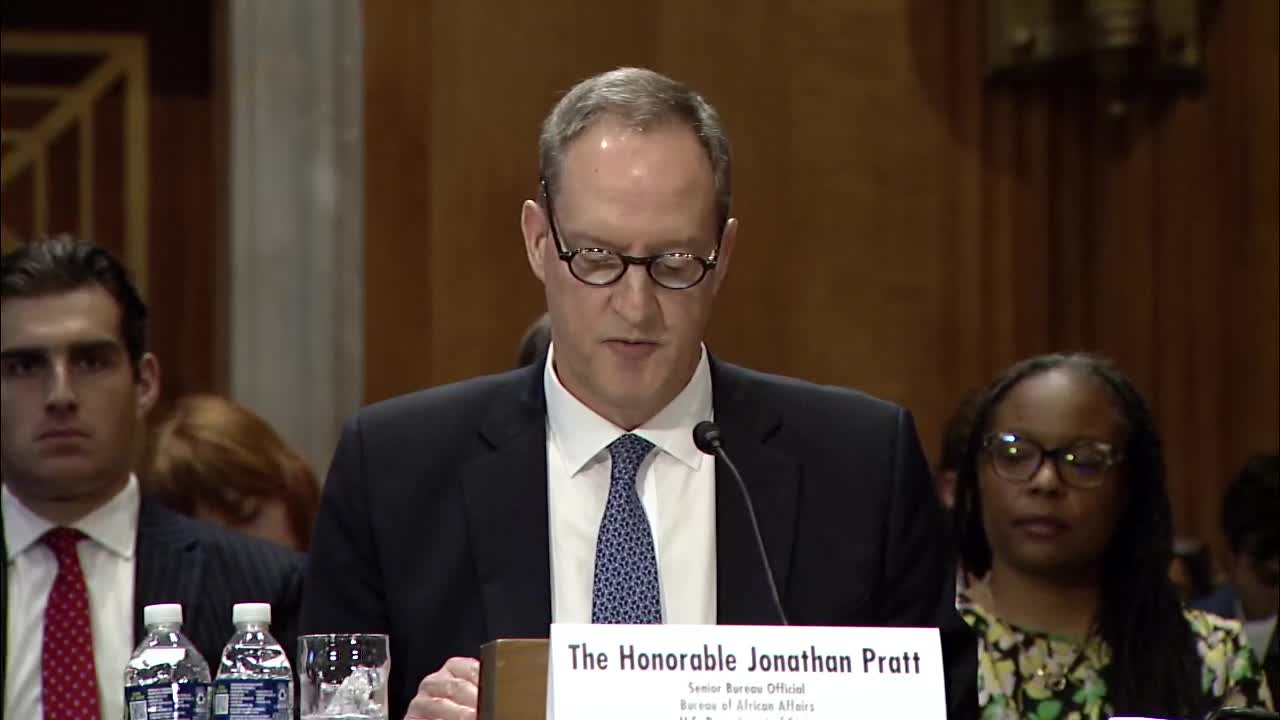
Summary
Witnesses told the Senate subcommittee that a U.S.‑brokered peace agreement and regional economic framework could formalize mineral sectors in eastern DRC and create opportunities for American companies to secure cobalt, coltan and other critical resources.
Senators and State Department witnesses described a U.S.‑negotiated peace process between the Democratic Republic of the Congo and Rwanda as an opening to formalize mineral extraction in eastern DRC and attract U.S. investment.
Chairman Cruz and Ambassador Jonathan Pratt said the economic element of the peace agreement—now approaching formal signature—creates a rare opportunity to bring stability and channel minerals away from Chinese control. Pratt said the agreement includes discussions about formalizing the coltan sector in eastern Congo and enabling U.S. companies to invest in cobalt and lithium projects in central and southern Congo.
Pratt noted that last year the DRC produced “nearly 76% of the world’s cobalt,” and that Chinese firms hold stakes in many of the country’s largest copper‑cobalt operations. He told senators the administration has linked commercial outreach from U.S. companies to broader diplomatic efforts and peace negotiations in order to secure deals for American firms.
Senators pressed witnesses on labor and human‑rights risks in informal mining sectors. Pratt and Woodard said part of the administration’s approach is to formalize supply chains so major buyers can verify labor and environmental standards and avoid sourcing from informal sites where forced or child labor has been reported.
The witnesses said the economic framework tied to the peace process remains under negotiation; they described specific offers and live negotiations with the DRC government but did not provide finalized contractual details.