Get Full Government Meeting Transcripts, Videos, & Alerts Forever!
Get email alerts on the Autism Education Reform topic
No spam. Unsubscribe anytime.
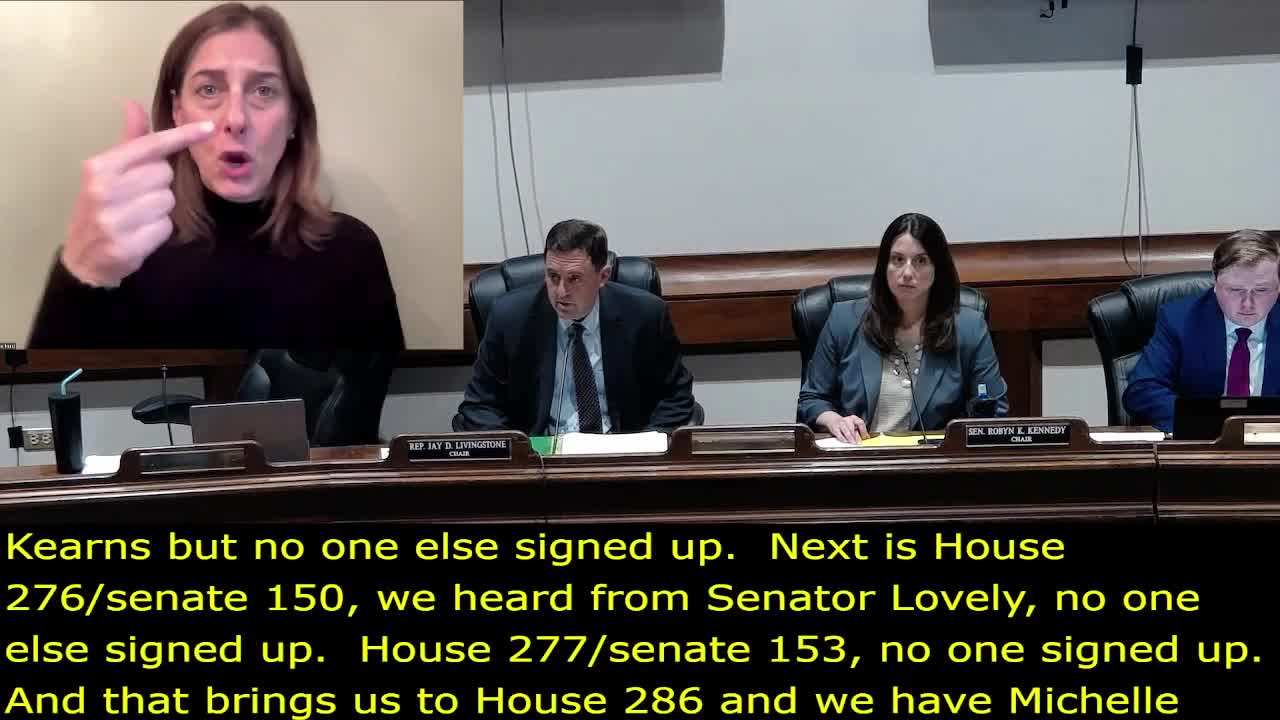
Autism education reform bill draws split testimony; some parents oppose proposed autism-only classrooms
Summary
Witnesses gave conflicting testimony on House Bill 286: some parents and advocates support measures to improve training and safety; others said the bill's proposal for autism-specific classrooms would be segregating and harmful without added resources and neurodiversity-affirming practices.
Supporters and opponents offered sharply different views on House Bill 286, labeled by some proponents as autism education reform. Lindsay Lukasen, vice chair of the Washington Special Education Parent Advisory Council, testified in strong opposition: she said the bill "mandates segregated classrooms for autistic students, not by individual needs, but by diagnosis," and warned that such an approach would be a step backward for inclusive education.
Michelle Kerwall, a parent of an autistic child, supported reforms but asked the committee to amend the bill to strengthen interagency coordination, saying that children receive services across school, DDS and other providers and that current connections were inconsistent. She described occasions where referrals to DPPC were screened to DCF and urged clearer pathways to ensure disabilities-informed responses.
Lukasen advocated for neurodiversity-affirming practices, more training with planning time and staff supports, and inclusion of autistic people in policy design rather than diagnosis-based placements. "This bill reflects old thinking wrapped in reform language," she said, urging the committee to reject the bill as written and to build policy with input from autistic people.
Supporters said the proposal would improve safety measures, school staff training and use of classroom cameras with transparency, but multiple witnesses warned that new mandates without staffing, funding and clear implementation supports could harm students and create inconsistent application across districts.
No vote occurred; committee members acknowledged the split in testimony and accepted written materials.