Get Full Government Meeting Transcripts, Videos, & Alerts Forever!
Get email alerts on the Permit Stacking topic
No spam. Unsubscribe anytime.
Industry pushes permit stacking; lawmakers and port leaders urge safeguards
Summary
The Sustainable Scalloping Fund and industry speakers urged allowing limited permit stacking in the federal sea scallop fishery to help vessel owners reduce costs and modernize the fleet; lawmakers and Port of New Bedford officials said safeguards are needed to protect local ownership and working‑waterfront infrastructure.
Representatives of the Sustainable Scalloping Fund told a joint Senate committee they support allowing vessel owners to carry more than one federal scallop permit on a single vessel (permit stacking), arguing the change would reduce costs, improve safety and help owners keep locally based fleets viable.
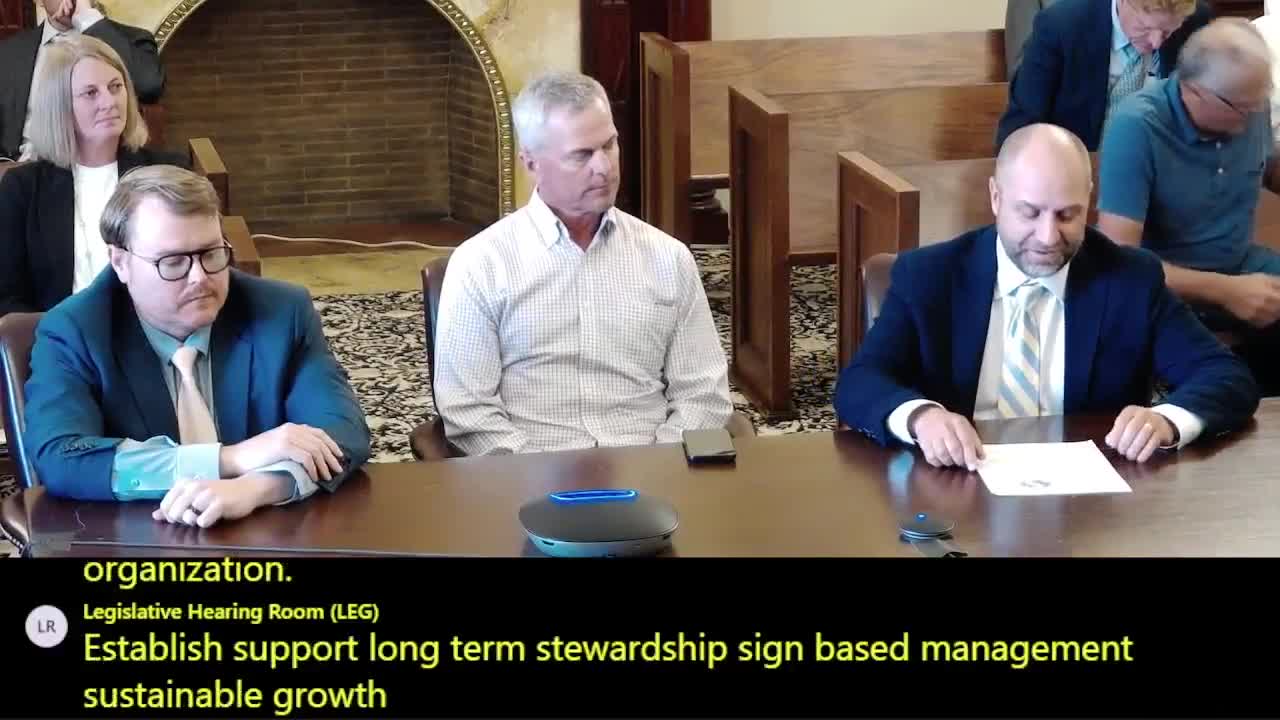
Jeruman Kavich, attorney for the Sustainable Scalloping Fund, said the fund is “a nonprofit industry‑led organization established to support long term stewardship, science‑based management, and sustainable growth” and urged the committee to back permit‑stacking reforms and other measures to strengthen the fleet. He said permit stacking would allow owners “to operate more efficiently, reduce cost and emissions, and remain competitive in a high cost capital intensive sector while improving safety.”
Industry witnesses said consolidation on decks and docks — currently common — and modernizing ownership rules are a practical response to a fleet that now fishes far fewer days than it did when limited access permits were issued in the 1990s. Sam Blaschley, general counsel for the Sustainable Scalloping Fund, and captains including Tony Alvarez described high operating costs, crowded docks and vessels that average far fewer fishing days than in earlier decades.
Port and civic leaders told the committee they are open to carefully designed reforms but stressed limits to prevent outside investors or private equity from displacing local owners. John Regan of the New Bedford Port Authority said the port supports efforts that relieve congestion and preserve smaller owners — “If there is a way that such a program would protect the smaller single‑boat owners and shoreside businesses while having a mechanism in place to remove nonoperational vessels… then we would be in full favor of it,” he said.
How it moves forward: Witnesses and several legislators said stacking would require either a council‑initiated amendment to the scallop fishery management plan or action by the secretary of commerce. Dr. Kate O’Keefe and council staff confirmed that permit consolidation has been discussed by the New England Fishery Management Council for years but the council has not taken action to change the federal plan.
No formal regulatory change was made or recorded at the hearing; testimonies were advisory and legislative members asked to be updated as stakeholder discussions continue.
The committee and witnesses discussed guardrails repeatedly: ownership caps, limits on number of permits per vessel, and measures to protect crew jobs and the working waterfront. Industry speakers said the current SSF proposal focuses on allowing two permits on one vessel, retaining ownership caps and not expanding control beyond family and local owners.